

A fungal infection, or mycosis, occurs when fungi invade and grow on the skin.
This problem can appear anywhere — not only on the skin, hair, nails, or mucous membranes, but also in the mouth, throat, urinary tract, and other body parts.
Keeping your skin healthy is key to preventing fungal infections, as clean, well-maintained skin acts as a natural barrier against microorganisms.
You’re more likely to develop a fungal infection when your immune system is weak.
Treatment usually involves antifungal medications.
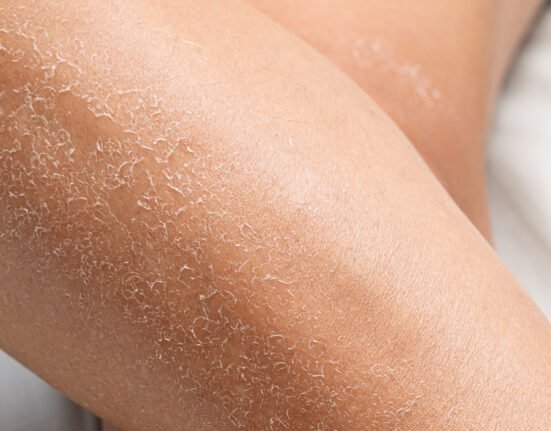
The symptoms depend on the type of infection, but generally include cracked, peeling, or itchy skin and red rashes.
If left untreated, fungal infections can affect both your skin’s appearance and overall health.
Areas Prone to Fungal Infection
Fungal infections on the skin often look red, swollen, or bumpy and may resemble a rash.
Nail infections can cause the nail to turn yellow, brown, or white, become thickened or brittle, and sometimes even crack or break.
Meanwhile, fungal infections in the mouth or throat may produce white patches or coatings that feel uncomfortable.
Common Types of Fungal Skin Infections and How to Treat Them

Fungal infections can affect various parts of the body, from the feet, groin, scalp, and nails to skin folds.
They can interfere with both comfort and appearance, so recognizing the signs early is essential.
Here are the main types of fungal skin infections, their symptoms, and how to treat them:
1. Tinea Pedis (Athlete’s Foot)
This infection affects the feet, especially between the toes and on the soles.
It’s caused by excessive moisture from sweat, wearing closed shoes for long periods, or not drying your feet properly after bathing or swimming.
Symptoms:
- Itching and burning sensation
- Peeling or cracking skin between the toes
- Redness and soreness
Transmission:
It spreads through direct contact or by sharing personal items like towels or shoes.
Prevention:
Keep your feet dry, wear clean cotton socks, and avoid damp footwear.
2. Tinea Corporis (Ringworm)
Ringworm is caused by dermatophyte fungi and can affect anyone, especially children.
It often appears on the arms, legs, face, or body.
Symptoms:
- Red, ring-shaped patches with a clearer center
- Scaly, itchy skin with red, raised borders
- Lesions may expand if untreated
Prevention:
Avoid sharing clothing, towels, or personal items.
3. Tinea Capitis (Scalp Ringworm)
This infection affects the scalp and hair follicles. Severe cases can cause pus-filled lesions called kerion.
Symptoms:
- Itchy, scaly scalp
- Red or bald patches
- Pain or tenderness in the infected area
Note:
Scalp ringworm is often mistaken for severe dandruff. Maintain good scalp hygiene to prevent fungal growth.
4. Tinea Cruris (Jock Itch)
This type affects the groin area, more common in men, especially in hot and humid conditions.
Symptoms:
- Itching in the groin and inner thighs
- Red rashes with clear borders
- Scaly or cracked skin in severe cases
Prevention Tip:
Wear loose-fitting clothes and keep body folds dry after bathing or exercise.
5. Onychomycosis (Nail Fungus)
This infection typically affects toenails and can be challenging to treat.
Symptoms:
- Thickened nails with color changes (yellow, white, or brown)
- Brittle or easily broken nails
Prevention:
Keep nails clean, avoid walking barefoot in public areas like pools or locker rooms, and maintain regular nail care.
6. Candida Infection
Candida is a fungus that can overgrow on the skin, mouth, throat, or genital area.
It often occurs when immunity is weak, during hormonal changes, or after long-term antibiotic use.
Symptoms:
- Red, itchy rash in moist areas (armpits, skin folds, under the breasts, or groin)
- Small bumps around the main rash
- Painful, cracked skin
Skin Care Tips:
Keep your skin clean and dry, eat a balanced diet, and avoid taking antibiotics without medical supervision.
How to Treat Fungal Skin Infections
Treatment focuses on restoring healthy skin and preventing the infection from spreading:
- Use topical antifungal medications (creams, ointments, or powders) as prescribed by a doctor.
- For severe infections, oral antifungal drugs may be needed.
- Avoid scratching the infected area to prevent worsening or spreading.
- Maintain good personal hygiene and change clothes daily.
How to Prevent Fungal Infections

Fungal infections often develop in warm, moist, and covered areas of the body.
The good news is, they can be prevented through simple daily hygiene habits:
- Dry your body thoroughly after bathing, especially between toes and skin folds.
- Wear slippers in public places like locker rooms, bathrooms, and swimming pools to avoid contaminated surfaces.
- Choose loose, breathable fabrics such as cotton to reduce moisture.
- Don’t share personal items like towels, hats, combs, or clothing.
- Rotate your shoes regularly, and let them dry completely before wearing them again.
- Keep blood sugar levels under control if you have diabetes, since high glucose promotes fungal growth.
- Practice good hygiene among family members and pets — wash bed linens, hats, and combs if someone has a scalp infection, and take infected pets to the vet promptly.
References
Bupa. Accessed in 2025. Fungal Skin Infections.
Cleveland Clinic. Accessed in 2025. Fungal Infections (Mycosis).
WebMD. Accessed in 2025. Fungal Infections of the Skin




Leave feedback about this