

Intimate area darkening or hyperpigmentation is a common condition, often caused by factors such as friction, hormonal changes, and aging.
However, when darkening occurs in the intimate area—a part rarely exposed to sunlight—many women become concerned.
Although this is normal and harmless, discoloration in sensitive areas can sometimes affect confidence.
Let’s explore why this happens and how to keep the skin in that area bright and healthy.
Remember, it’s not a disease, just a skin condition. The good news is that understanding what causes the darkening can help you restore an even skin tone.
Why Does the Intimate Area Darken?

Hyperpigmentation occurs when melanin—the natural pigment responsible for skin, hair, and eye color—is produced in excess.
When melanin levels increase in a specific area, the skin appears darker than the surrounding skin.
Several factors can trigger or worsen darkening in the intimate area, including:
1. Friction and irritation
Caused by wearing tight clothing, synthetic fabrics, or activities that cause repeated friction in the folds of the skin.
2. Hormonal changes
Fluctuations during puberty, pregnancy, or menopause can increase melanin production.
3. Shaving or waxing habits
These can lead to mild, repeated irritation, triggering inflammation and excess pigmentation.
4. Natural aging
As we age, skin regeneration slows, and body folds tend to appear darker.
5. Certain medical conditions
Post-inflammatory hyperpigmentation or hormonal imbalances such as PCOS (polycystic ovary syndrome) may also cause darkening in intimate areas.
Safe Ways to Keep the Intimate Area Bright

The skin in the intimate area is thinner and more sensitive, so it needs gentle and consistent care.
Here are some simple steps to maintain its health and natural tone:
1. Wear loose, breathable fabrics
Choose cotton underwear to allow airflow and reduce friction.
2. Avoid shaving too often
If you shave, use a mild shaving cream and a clean razor to prevent irritation.
3. Maintain cleanliness and hydration
Cleanse the area with a mild, fragrance-free soap and dry with a clean towel. Then, apply a gentle moisturizer designed for sensitive skin to prevent dryness and irritation.
You may also try natural moisturizers such as coconut oil or aloe vera to soothe the skin and gradually reduce dark spots.
4. Exfoliate gently once a week
Use a mild exfoliating product (like a light AHA/BHA chemical exfoliant) to remove dead skin cells without irritating the skin.
5. Eat nutritious foods and stay hydrated
Vitamins C and E support skin health and reduce pigmentation.
Include antioxidant-rich foods like berries, leafy greens, and citrus fruits in your diet.
When to See a Doctor
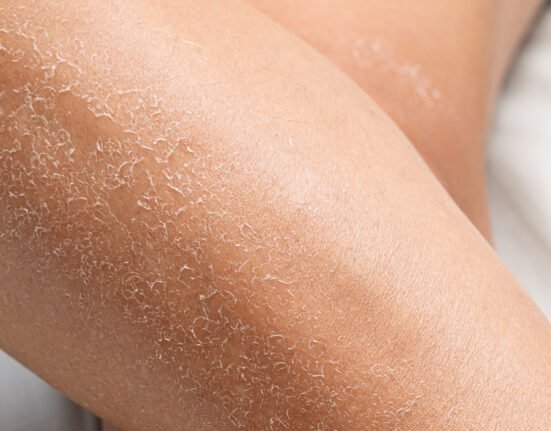
If the intimate area becomes itchy, sore, peeling, or changes color drastically, consult a dermatologist or gynecologist.
They can help determine whether the darkening is normal or related to an underlying medical condition that needs special treatment.
References
Drtahery. Accessed in 2025. Why is The Vaginal Area Dark?
Healthline. Accessed in 2025. Why Is My Private Area Dark?
My own spade. Accessed in 2025. Understanding Genital Hyperpigmentation: Causes and Solutions.




Leave feedback about this