

Healthy skin is something everyone desires. But what does “healthy skin” actually mean? Does it have to look bright, spotless, or perfectly smooth?
In reality, the definition of healthy skin varies from person to person, depending on one’s natural condition and skin type.
To truly understand what healthy skin means, it helps to know its structure. The skin consists of three main layers: the epidermis, dermis, and hypodermis.
- The epidermis acts as the outermost shield that protects against pollution, dust, and microorganisms.
- The dermis contains collagen and elastin, which keep the skin supple and hydrated.
- The hypodermis serves as a fatty layer that helps regulate body temperature and protects the organs underneath.
These three layers work together to protect the body. When one of them is damaged, the skin’s balance is disrupted — leading to issues such as dryness, dullness, or acne.
Having healthy skin doesn’t mean it has to be white or poreless. Healthy skin is characterized by a smooth texture, even tone, good moisture balance, and a plump, fresh appearance.
Signs of Healthy Skin You Should Know

Healthy skin isn’t just about appearance. It reflects the skin’s natural balance and optimal function.
Here are several signs that indicate your skin is in good condition:
1. Even Skin Tone
One key indicator of healthy skin is a consistent, even color throughout. There shouldn’t be dark spots or unusual discoloration.
- Healthy skin: Appears naturally bright, soft, and luminous.
- Unhealthy skin: Looks uneven, dull, or has dark and red patches — often due to poor circulation or excessive sun exposure.
2. Smooth, Natural Texture
Healthy skin feels soft and smooth to the touch. Pores are visible, but not enlarged or clogged.
- Healthy skin: Feels soft, even with visible pores, fine hairs, or minor acne marks.
- Unhealthy skin: Feels rough or thickened due to a buildup of dead skin cells.
3. Well-Hydrated
Moisture is the key to skin health. When skin is well-hydrated, it appears supple and naturally glowing.
- Healthy skin: Feels elastic, moist, and doesn’t flake easily.
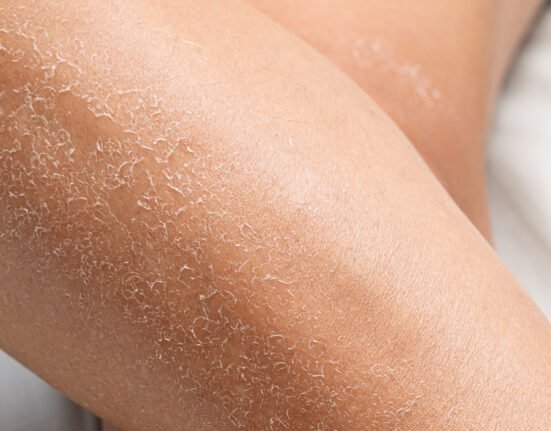
- Unhealthy skin: Looks dry, dull, and may develop fine lines due to a lack of hydration.
4. Comfortable After Cleansing
After washing your face, healthy skin should feel fresh and comfortable — not tight or dry.
- Healthy skin: Feels refreshed and soft after cleansing.
- Unhealthy skin: Feels tight, itchy, or flaky due to a weakened natural barrier.
5. Free from Acne and Irritation
Healthy skin is typically free from acne, blackheads, or inflammation.
- Healthy skin: Has clean pores and balanced oil production.
- Unhealthy skin: Frequently develops acne due to excess oil, dirt buildup, or hormonal imbalance.
6. Feels Comfortable
Healthy skin doesn’t sting, itch, or burn.
- Healthy skin: Rarely experiences redness or irritation, even under harsh weather conditions.
- Unhealthy skin: May develop rashes, sensitivity, or inflammation that can worsen over time if untreated.
How to Maintain Healthy, Balanced Skin

Achieving healthy skin isn’t only about skincare products. It’s also about your lifestyle and daily habits. Balancing nutrition, hydration, and protection helps your skin stay fresh, soft, and radiant.
Here are simple steps to keep your skin healthy:
1. Eat a Balanced Diet
Healthy skin starts from within. Consume foods rich in nutrients such as healthy fats from nuts, avocados, and fish. Include plenty of vitamin C, vitamin E, and leafy green vegetables.
- Vitamin E helps protect the skin from free radical damage and sun exposure.
- Vitamin C supports even skin tone and collagen production, keeping the skin firm and naturally bright.
2. Follow a Consistent Skincare Routine
A regular skincare routine is essential for maintaining healthy skin. Cleanse your skin twice daily to remove excess oil, dirt, and pollutants. After cleansing, apply a moisturizer to lock in hydration.
Well-hydrated skin looks naturally glowing and feels softer to the touch.
3. Use Sunscreen Every Day
UV exposure can damage the skin’s structure and accelerate signs of aging. Always apply sunscreen with at least SPF 40 daily — even on cloudy days or when indoors.
This simple step is crucial to protect your skin’s health from sun damage.
4. Stay Hydrated
Water is vital for skin hydration. Drink at least two liters of water daily to keep your skin moist and elastic. Proper hydration allows skin cells to regenerate efficiently and maintain a healthy glow.
5. Use Essential Oils
Certain natural oils can help retain skin moisture and elasticity. Choose essential oils such as lavender, sandalwood, vitamin C oil, or rosemary to nourish the skin and improve circulation.
These oils also help balance the skin’s natural barrier for a fresh, healthy appearance.
Scars or blemishes can affect the skin’s natural beauty. To support skin regeneration, use wund+™ Scar Gel, which contains Centella Reversa stem cells.
This natural formula helps accelerate healing, fade acne marks, and restore smoother, healthier-looking skin.
References
Enclaire. Accessed in 2025. What Do We Mean When We Say “Healthy Skin”?
News Medical Life Sciences. Accessed in 2025. What is Healthy Skin?
News in Health. Accessed in 2025. Keep Your Skin Healthy: Protecting Your Outer Self





Leave feedback about this