

Pimples always seem to show up at the worst possible time—like right before an important event when you want to look your best.
The first reflex? Popping it to make it go away faster. The idea is that by squeezing out the oil, dead skin cells, and bacteria, the skin will quickly return to normal.
Unfortunately, this habit often does more harm than good. Popping pimples the wrong way can cause inflammation, make the pimple larger and more painful, and even leave scars that are difficult to fade.
Common Mistakes When Popping Pimples

1. Popping pimples too early
One of the most common mistakes is popping a pimple before it’s ready. When the pus or sebum is still deep under the skin, pressing it only damages the surrounding tissue and worsens inflammation.
A pimple is ready to pop when the “head” has dried up, turned yellowish or brownish, and is clearly visible on the surface.
2. Popping pus-filled pimples without proper technique
Squeezing pus-filled pimples without the right method can spread bacteria to nearby areas. It’s best to soften the skin first with warm steam to help open the pores. If you’re unsure, it’s better not to do it yourself.
3. Not washing your hands
Bacteria from your hands can enter open wounds and trigger infection. Always make sure both your hands and the skin area you’re touching are clean—use soap or an antiseptic before touching your face.
4. Using unsterilized tools
Dirty extraction tools can push bacteria deeper into the skin. Always disinfect them with alcohol before use, or opt for disposable tools to be safe.
5. Squeezing the same spot repeatedly
Pressing the same pimple over and over again traumatizes the skin and increases the risk of dark spots (hyperpigmentation) or raised scars.
If the pimple isn’t ready, leave it alone and let it mature—or see a dermatologist.
6. Skipping aftercare
After popping a pimple, your skin needs time to recover. Skipping post-popping care can lead to irritation or scarring.
Use a saline solution or gentle toner to clean the area, avoid makeup for 24 hours, and apply soothing ingredients like aloe vera or centella.
Safe Ways to Deflate Pimples Without Leaving Marks

If the pimple really bothers you and you feel the need to deflate it, do it safely and hygienically to avoid scars or infection.
1. Wait until the pimple is “ripe”
Don’t rush it. Wait until you see a white head at the tip. Avoid squeezing red, painful pimples or those without pus—doing so can worsen the inflammation.
2. Clean your hands and face
Wash your hands with soap and running water for at least 20 seconds. Then, cleanse your face with a gentle facial wash to remove oil and dirt.
3. Sterilize your tools
If you’re using a sterile needle or pin, make sure it’s completely clean. Disinfect with alcohol or hot water before using.
Non-sterile tools can cause infection and worsen the condition.
4. Apply a warm compress before popping
Place a warm, damp towel on the affected area for a few minutes. This softens the skin and makes it easier for the pus to come out with minimal pressure.
5. Be gentle
Apply light pressure on the sides of the pimple—not directly on the center. If the pus doesn’t come out easily, stop immediately and let your skin heal first.
6. Clean and soothe your skin afterwards
After deflating the pimple, clean the area with saline or a mild antiseptic toner. A cold compress (ice wrapped in a cloth) can help reduce swelling and redness.
Avoid touching the area or applying cosmetics for 24 hours to allow proper healing.
Post-Pimple Care: Preventing Scars and Dark Spots
Even after popping a pimple correctly, your skin still needs care to avoid scarring or hyperpigmentation. Here’s what you can do:
1. Clean and calm the skin
After popping, cleanse the area with a mild antiseptic or alcohol-free toner, then apply a cold compress to reduce inflammation.
2. Use a scar-reducing gel or cream
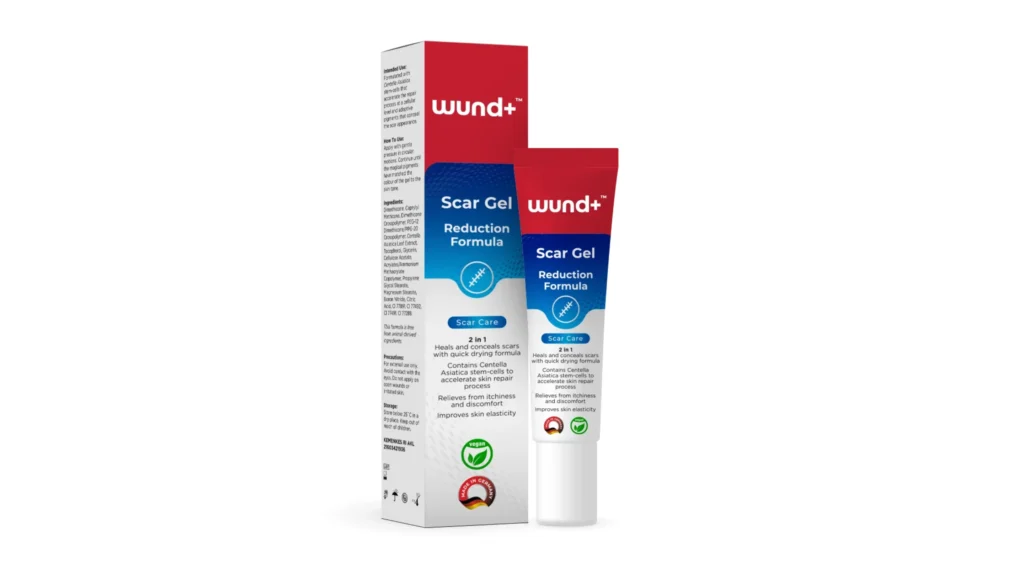
Once your skin is no longer red or sore, start applying a specialized scar gel, such as wund+™ Scar Gel.
This gel is commonly used to smooth the appearance of scars caused by acne, surgery, or burns.
Apply a thin layer 1–2 times daily on clean, dry skin, and continue consistently for several weeks for visible results.
wund+™ Scar Gel by GWS Wellness is a 2-in-1 formula designed to both prevent and reduce the appearance of scars, including acne scars.
It contains medical-grade silicone, plant stem cells (Centella Reversa), and micro-encapsulated pigments that help fade discoloration.
This makes it especially suitable for use after acne has healed—particularly on visible areas like the face or neck.
3. Protect your skin from the sun
Scars darken easily when exposed to UV rays. After applying scar gel, always follow with sunscreen (SPF 30 or higher) and avoid direct sunlight to keep your skin tone even.
Popping pimples may be tempting, but it’s rarely worth the risk if done carelessly. Proper care and patience are far more effective for keeping your skin clear and smooth.
If acne frequently appears or becomes inflamed, consult a dermatologist for the right treatment plan.
References
NMorg. Accessed in 2025. Is There a Safe Way to Pop a Pimple?
Verywell Health. Accessed in 2025. Are Popping Pimples Bad for My Skin?
Wedo Skin Clinic. Accessed in 2025. Pimple-Popping Mistakes That Cause Scars.




Leave feedback about this