
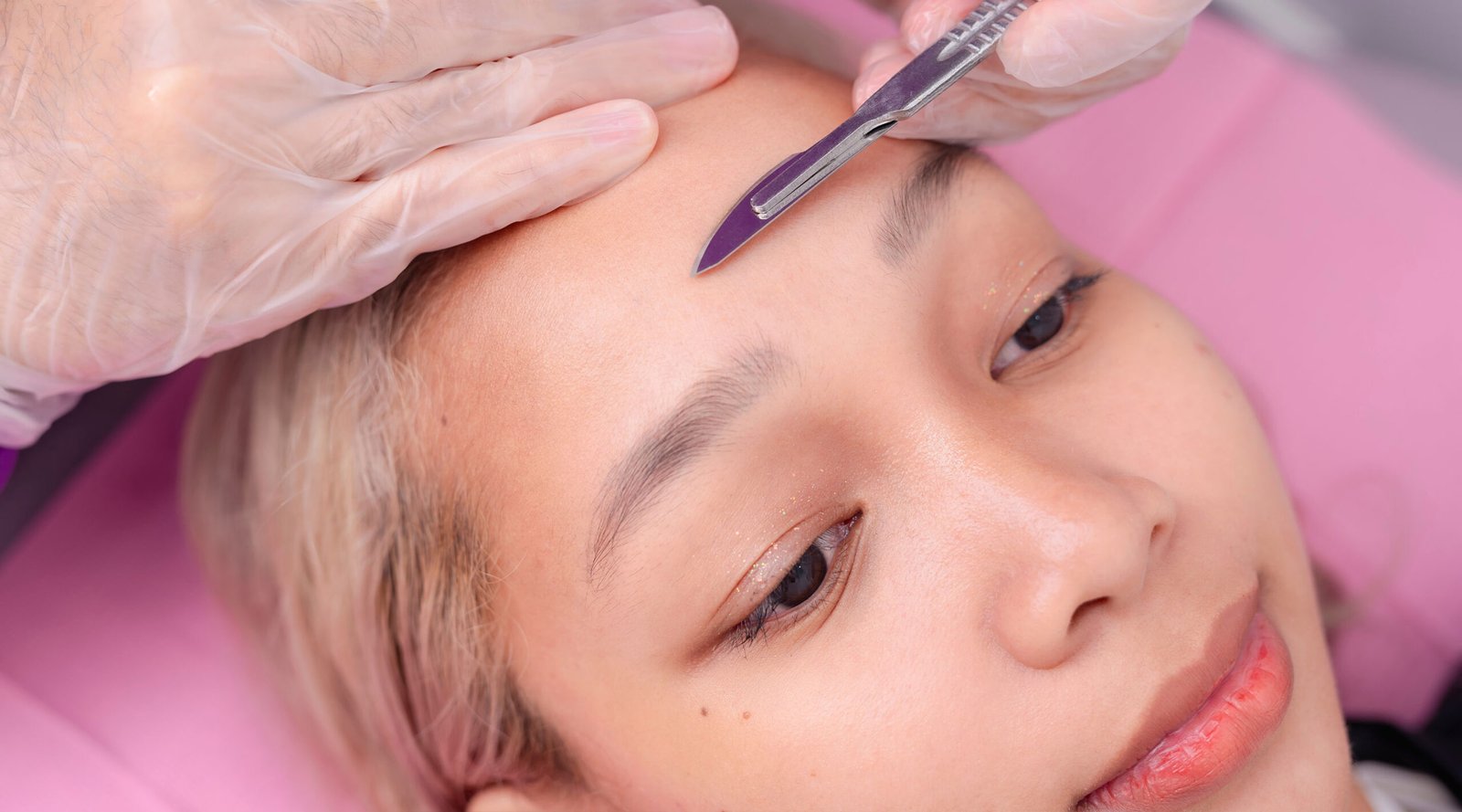
Skin injuries from dermaplaning can occur due to excessive exfoliation during the procedure.
Dermaplaning is a technique that removes dead skin cells and fine facial hair to create smoother skin, improve makeup application, and enhance overall skin texture.
This treatment supports cell turnover and helps reduce the appearance of fine lines, acne scars, and other imperfections.
After the procedure, the skin usually feels fresh and more receptive to skincare products because the layer of dead skin has been removed.
Although dermaplaning can create a rejuvenated appearance, it does not stop the natural aging process.
Additionally, this procedure is not recommended if you have active acne, skin conditions such as eczema, psoriasis, or rosacea, open wounds or sunburn, or if you have used isotretinoin in the past six months.
Risks of DIY Dermaplaning Without a Professional
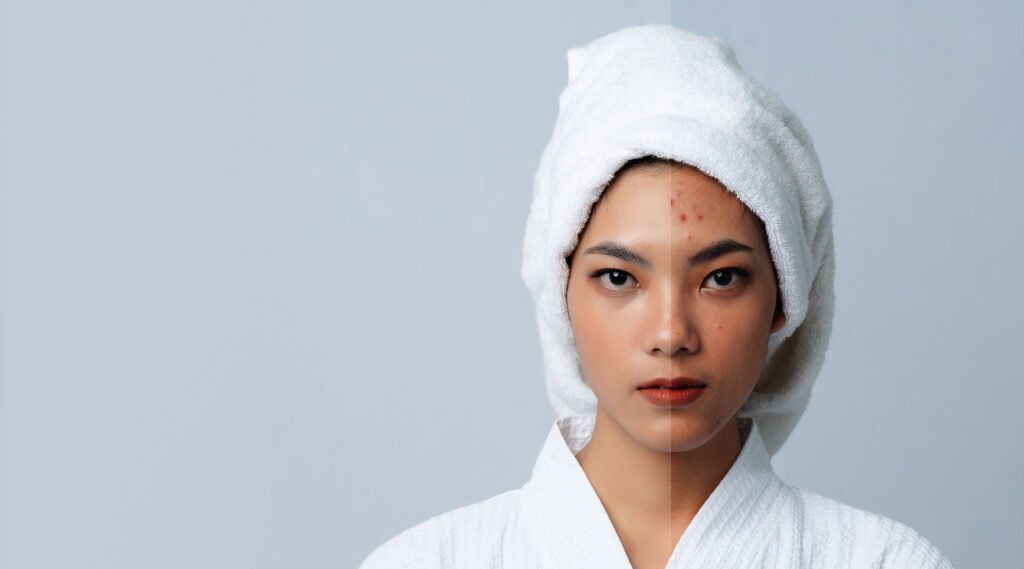
Although uncommon, dermaplaning performed without a trained professional can carry several risks, including:
1. Infection
Using unsterilized tools or failing to care for the skin afterwards can allow bacteria to enter deeper skin layers.
This increases the risk of infection, especially on freshly exfoliated skin.
2. Scarring
Overly aggressive scraping or improper blade techniques can cause small cuts. Without proper care, these may leave permanent scars, particularly when the procedure is performed by someone inexperienced.
3. Hyperpigmentation
In some individuals—especially those with darker skin tones or prone to pigmentation—dermaplaning can trigger skin discoloration.
The skin may appear darker in certain areas once healing occurs.
Common Side Effects of Dermaplaning
Even though dermaplaning is generally safe when performed by a trained professional, side effects may still occur.
Most are mild and typically improve within a few hours to several days.
1. Redness and Irritation
The friction from the blade may cause redness or mild stinging immediately after the procedure. This usually subsides within 24–48 hours.
2. Increased Sensitivity
Since the outermost layer of skin has been removed, the skin may become more sensitive to skincare products or sun exposure. Using sunscreen after treatment is highly recommended.
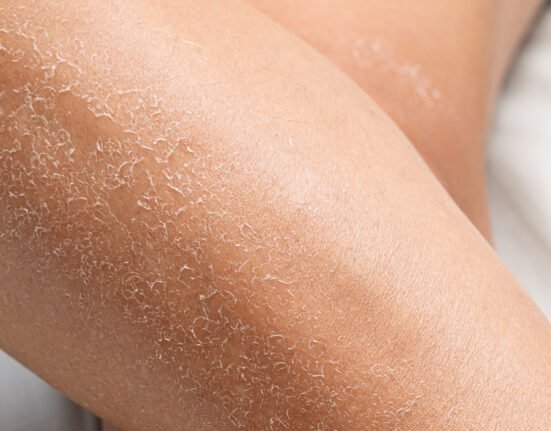
3. Dryness or Tightness
Some people may notice that their skin feels dry or tight during the healing period. Using the right moisturizer can help restore the skin’s natural hydration.
4. Acne or Breakouts
In acne-prone skin, dermaplaning may spread bacteria across the surface of the skin and trigger new breakouts.
How to Care for the Skin After Exfoliation to Prevent Injury
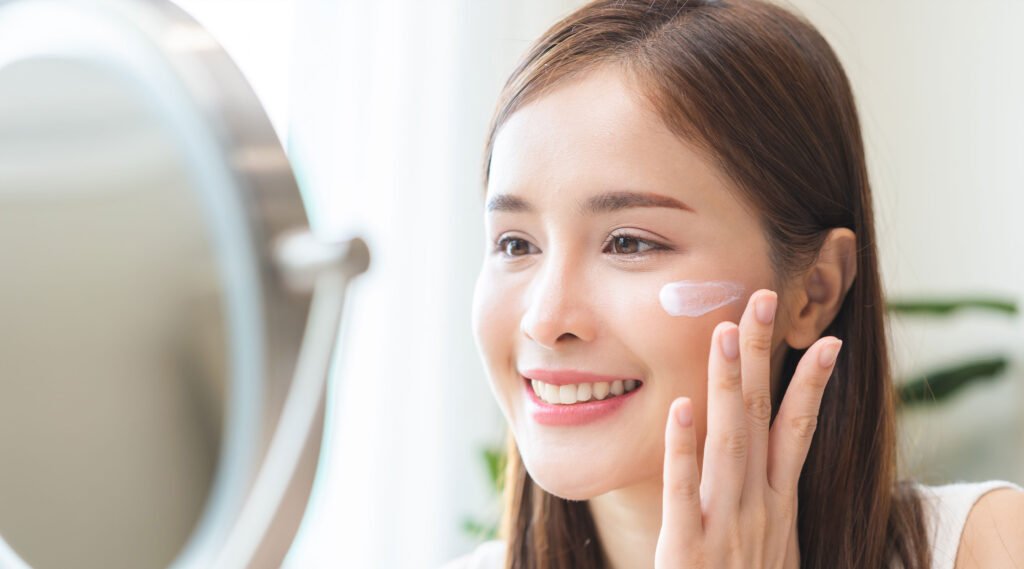
After dermaplaning, the skin may become more sensitive, red, and slightly tender.
Because the skin’s protective layer has been removed, post-procedure care is essential to help the skin heal optimally and avoid irritation or injury.
1. Protect the Skin from Sun Exposure
Freshly exfoliated skin is highly vulnerable to UV damage. Excess sun exposure may lead to redness, irritation, or hyperpigmentation.
Use sunscreen with SPF 30 or higher daily, even indoors. Mineral sunscreens containing zinc oxide or titanium dioxide are often better tolerated by sensitive skin.
2. Avoid Makeup for 24–48 Hours
Freshly exfoliated skin absorbs products more easily, which means cosmetic ingredients may cause irritation or breakouts.
If makeup is necessary, choose mineral-based products that are lightweight and non-comedogenic.
3. Keep the Skin Hydrated
Dryness or skin tightness is common after dermaplaning. Select a gentle, fragrance-free moisturizer containing hydrating ingredients such as hyaluronic acid, ceramides, or glycerin.
Applying moisturizer to slightly damp skin helps lock in hydration more effectively.
4. Avoid Heat and Sweat-Inducing Activities
Saunas, hot showers, or intense exercise may increase irritation and worsen sensitivity.
Give your skin a few days to recover before returning to activities that cause heavy sweating.
5. Do Not Use Exfoliators or Active Ingredients
Dermaplaning already provides deep exfoliation. Using AHA/BHA acids, scrubs, retinoids, or other exfoliating products may damage the skin further and increase the risk of abrasions.
Stop using active ingredients for at least a week and focus on soothing products such as aloe vera or chamomile.
6. Use a Gentle Cleanser
Choose a fragrance-free cleanser without harsh ingredients to keep the skin clean without stripping its protective barrier.
Gel- or cream-based cleansers are typically gentler and suitable during the recovery phase.
With the right aftercare, the skin can heal quickly, safely, and appear healthier following dermaplaning.
If you experience severe redness, unusual pain, or signs of infection, consult a medical professional or licensed skincare specialist immediately.
References
Cleveland Clinic. Accessed in 2025. Dermaplaning.
Clare Bellaokc. Accessed in 2025. Dermaplaning Aftercare Tips: Best Practices for Caring for Your Skin After a Dermaplaning Treatment.
White Pebble Dermatology. Accessed in 2025. Are there any side effects of dermaplaning





Leave feedback about this