
Maintaining feminine hygiene during menstruation is crucial for protecting women’s reproductive health. Menstruation is a natural process in which blood and tissue from the uterine lining exit through the vagina.
If not cared for properly, this condition can lead to risks such as infection, unpleasant odors, and even reproductive health problems.
In fact, keeping the area clean is quite simple. One of the easiest ways is by using clean water to wash the intimate area.
Healthy Habits to Maintain Feminine Hygiene
1. Choose safe sanitary products
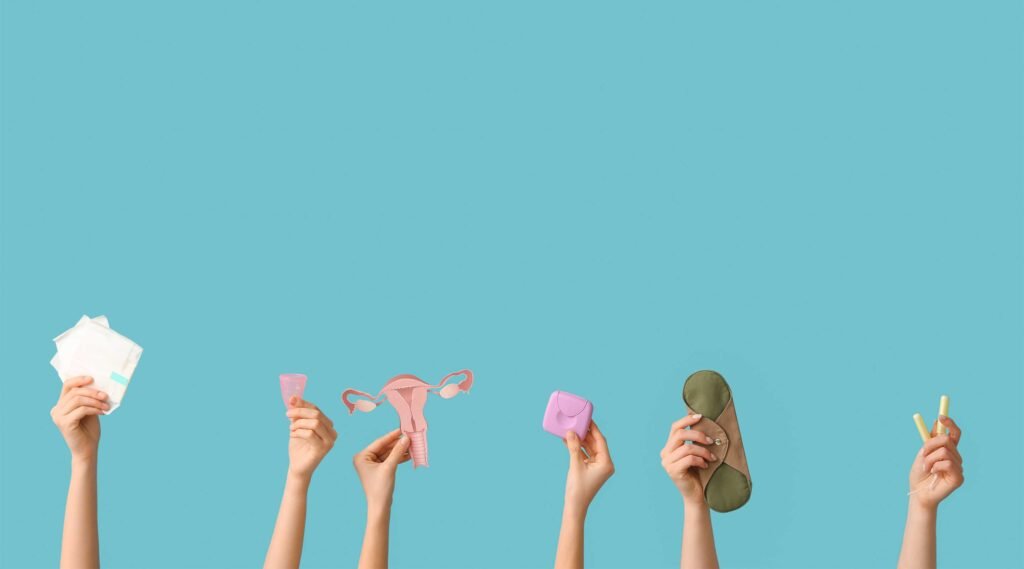
Select pads that are free from harmful substances and comfortable to use. Ensure there are no hazardous chemicals, such as bleach, in them. The right menstrual products can have a significant impact on the health of the intimate organs.
2. Change menstrual products regularly
There are various menstrual products such as pads, tampons, menstrual cups, and menstrual underwear. Change pads every 4–8 hours to maintain feminine hygiene during menstruation.
Damp conditions during periods can become a breeding ground for bacteria and fungi. Wearing the same pad or menstrual underwear for too long can cause rashes or infections.
3. Keep the genital area clean
Wash the outer part of the vagina (vulva) with clean water every day. When going to the bathroom, wipe from front to back, not the other way around. Use only water to rinse your vulva.
The vagina is a self-cleaning organ. Disrupting its natural pH balance by douching or using chemicals can be harmful and may cause vaginal infections such as yeast infections or bacterial vaginosis.
4. Avoid using soap or scented products
These ingredients can disturb the vagina’s natural pH balance and trigger infections.
5. Use fragrance-free products
Scented toilet paper, tampons, or pads may irritate. Choose skin-friendly products to keep the intimate area healthy during menstruation.
6. Wear cotton underwear
Tight clothing can trap moisture. Cotton underwear, on the other hand, helps absorb sweat and keeps the intimate area dry.
7. Stay hydrated
Drinking enough water helps flush out the urinary tract while also preventing yeast infections that often occur when menstrual hygiene is neglected.
8. Track your menstrual cycle
Your menstrual cycle is an important indicator of overall health. A regular cycle reflects good reproductive health. Record it using an app or calendar for easier tracking.
Meanwhile, irregular periods can be a sign of certain conditions such as diabetes, thyroid problems, or celiac disease.
Risks of Ignoring Feminine Hygiene
Every woman must pay attention to menstrual hygiene. Proper hygiene practices during menstruation are essential not only for comfort but also for maintaining overall health and preventing potential complications.
Neglecting intimate hygiene during menstruation can lead to various health problems.
1. Increased risk of infections
Poor hygiene during menstruation raises the risk of contracting infections that may have long-term effects on women’s health.
Yeast infections, bacterial vaginosis, and urinary tract infections are some common conditions caused by bacterial growth and moisture.
2. Irritation, itching, and rashes in the vaginal area
Wearing pads or other sanitary products for extended periods can cause itching, rashes, and skin irritation. Redness and pain may result from friction between the skin and damp surfaces.
Additionally, low-quality sanitary products with poor ventilation and absorption can trigger yeast infections.
Therefore, it is important to choose the right sanitary products with good absorbency and airflow to prevent skin discomfort.
Clean the vaginal area with mild soap and water during menstruation.
3. Reproductive health problems
Pelvic inflammatory disease (PID) or endometriosis may develop due to infections caused by poor menstrual hygiene, which can spread to the reproductive organs.
In the long run, these problems may lead to ongoing discomfort, fertility issues, and other complications.
Consult a doctor immediately if you experience signs of discomfort or symptoms such as severe pelvic pain, unusual bleeding, or abnormal vaginal discharge.
References
CDC. Accessed in 2025.Healthy Habits: Menstrual Hygiene
Ugees. Accessed in 2025. What Happens if You Neglect Your Menstrual Hygiene?
Unair News. Accessed in 2025. This is how to maintain women’s reproductive health during menstruation.




Leave feedback about this