

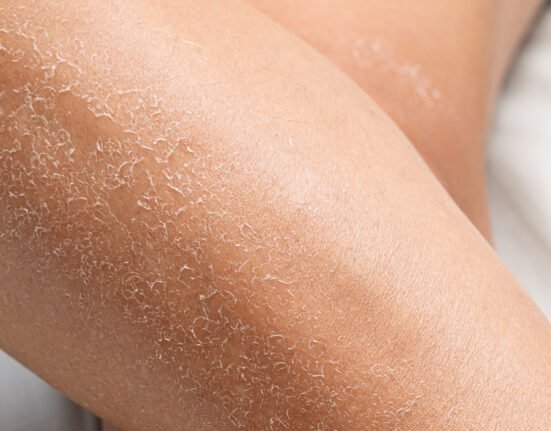
Dry skin often becomes a challenge during the Hajj or Umrah pilgrimage. This condition can disrupt concentration and comfort in worship because the hot weather and dry air in the Holy Land make it easy for the skin to lose moisture.
Dry and itchy skin during Hajj is mainly caused by environmental factors in Saudi Arabia, such as high temperatures, low humidity, intense sunlight, and dust—combined with physical demands and crowded conditions during the pilgrimage.
Various obligatory rituals can also trigger skin problems. Long periods of standing and walking, friction from clothing, intense sunlight, and excessive sweating can all lead to bacterial infections on the skin.
Pilgrims often go barefoot in some sacred places. Standing on hot marble under the scorching midday sun can severely burn the soles of the feet. That’s why it’s important to carry a moisturizer to protect the skin.
Travel-Friendly Moisturizer and Skincare

To help protect your skin, wund+™ Regeneration Cream, a skincare product from GWS Wellness, can be a great choice.
This cream is formulated with seven key ingredients:
- Panthenol, urea, glycerin, sodium lactate: Help retain skin hydration and prevent dryness or cracking, especially when performing sa’i under the sun.
- Shea butter: Locks in moisture and nourishes the skin.
- Allantoin: Soothes irritated skin, reduces redness, and promotes skin regeneration.
- Zinc and microsilver: Provide mild antimicrobial protection, keeping the skin clean and reducing the risk of infection.
- Dimethicone: Creates a barrier to protect and maintain skin moisture.
How to use: Apply a thin layer on dry or irritation-prone areas such as the face, hands, elbows, heels, or foot folds.
Use after wudu and before sleeping for optimal results, as skin regenerates better during rest.
Common Skin Problems During Hajj or Umrah
1. Dermatitis
Dermatitis is common among pilgrims, especially those who are overweight or have diabetes.
It is marked by inflammation and redness in skin folds such as the inner thighs, armpits, or under the breasts.
Trapped sweat in skin folds can cause itching, burning, and fungal infection.
Prevention tips:
- Ensure good air circulation in skin folds.
- Bathe regularly to remove sweat and dirt.
- Dry the body thoroughly, especially in skin folds.
- Apply wund+™ Regeneration Cream before long walks or physical activities.
2. Sunburn
Intense sun exposure can cause the skin to turn red, inflamed, and even blistered. This increases the risk of infection and discomfort during worship.
Care steps:
- Avoid direct sunlight by staying in shaded areas or indoors when possible.
- Take a cool shower to relieve heat, then gently pat dry while keeping slight moisture on the skin.
- Apply a moisturizer or an aloe vera-based product to soothe the burn.
- Take pain relievers if swelling or discomfort occurs.
- Drink plenty of water to prevent dehydration.
- Wear clothing that covers sun-exposed skin.
- Apply sunscreen with at least SPF 30, 20 minutes before going outside.
3. Fungal Infections
Fungal infections, such as ringworm (tinea cruris), often occur due to heat, excessive sweating, and crowding among pilgrims.
Symptoms include round patches with darker edges and a lighter center. The infection spreads easily through contact with contaminated skin, clothing, or towels.
Care tips:
- Use antifungal medication as prescribed by a doctor.
- Wash your hands after touching infected areas.
- Keep the affected area clean and dry.
- Use separate towels for infected areas.
- Avoid tight clothing or footwear that causes sweating.
- Change clothes daily, wash with hot soapy water, and do not share personal items.
Hydration Tips

Can you drink water during worship? Absolutely! Drinking water is highly recommended during Hajj to prevent dehydration.
1. Drink Regularly
Thirst is a late sign of dehydration. Set a schedule—drink a glass of water every 15–20 minutes, especially in hot weather.
Use an oral rehydration solution (ORS) to replace electrolytes lost through sweat and help maintain fluid balance.
2. Monitor Water Intake
While hydration is vital, drinking too much water too quickly can cause hyponatremia (low sodium levels in the blood). Limit intake to no more than 1.5 liters per hour, and sip frequently instead of drinking large amounts at once.
3. Carry a Reusable Water Bottle
Refill your bottle with Zamzam water or other clean water sources. Zamzam water is widely available in holy sites and is safe to drink. Always carry your bottle to stay hydrated throughout Hajj.
4. Choose Hydrating Foods
Include water-rich fruits and vegetables such as watermelon, cucumber, and oranges. These foods not only hydrate but also provide essential nutrients.
5. Avoid Dehydrating Drinks
Limit beverages like coffee, tea, and soda, as they can increase fluid loss.
References
Ministry of Health, Saudi Arabia. Accessed in 2025. Skin Diseases during Hajj
PubMed Central. Accessed in 2025. Health risks at the Hajj
ZamZam Travels BD. Accessed in 2025. How to Stay Hydrated During Hajj and Umrah.



Leave feedback about this