
Food allergies are often marked by itching that appears after eating certain foods.
If your skin itches after a meal, it may be your body reacting to an allergen.
Itching is one of the most common symptoms of a food allergy. This sensation can appear within minutes to several hours after you consume a trigger food—even in tiny amounts.
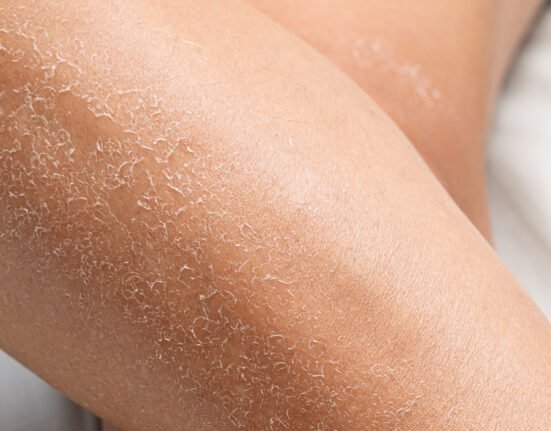
The itch may occur inside the mouth or on the skin, often appearing as hives or eczema-like rashes. You may also experience swelling in certain areas of the skin.
Food allergies occur when the immune system overreacts to specific foods.
Common Foods That Trigger Skin Allergies
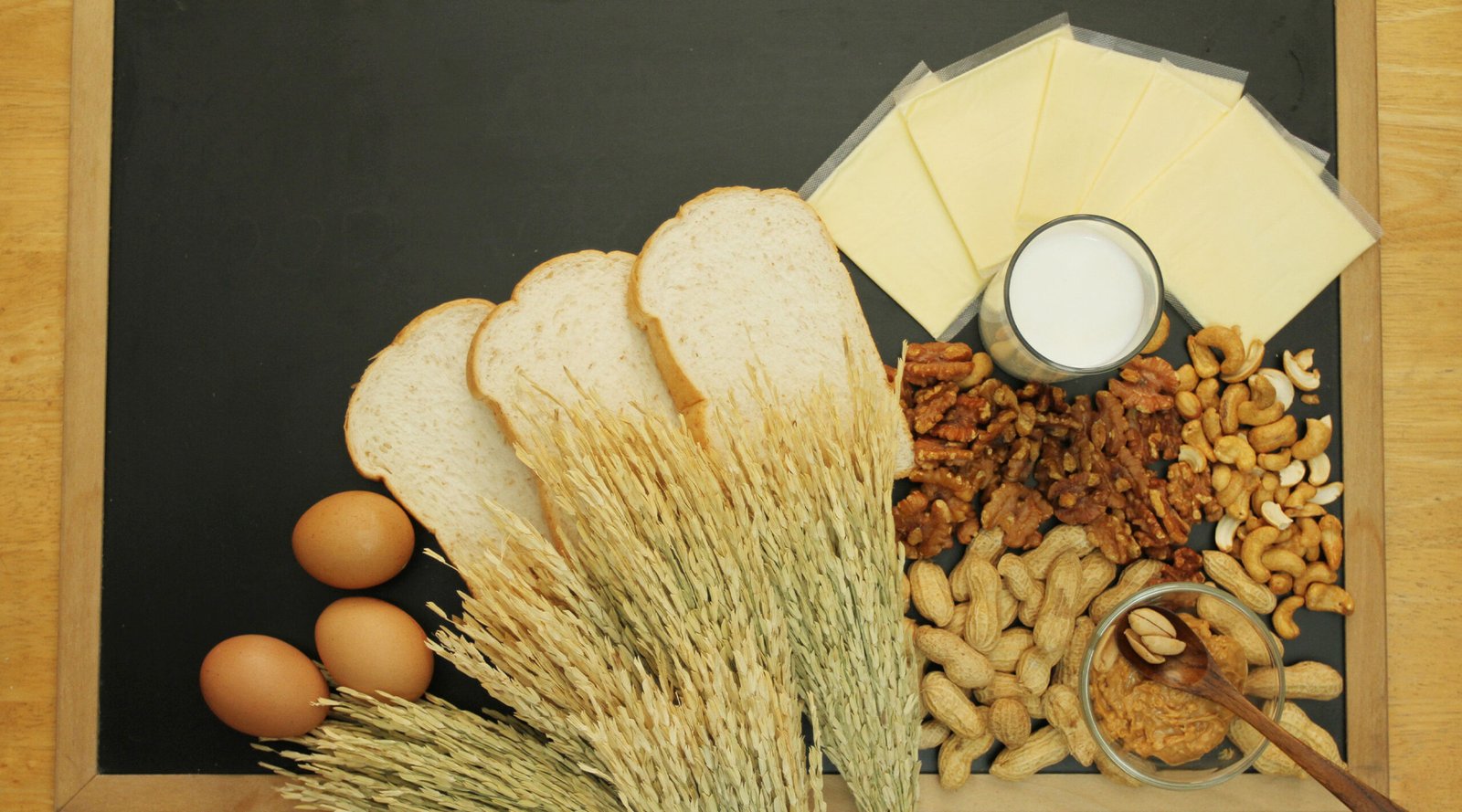
Common food triggers include milk, eggs, peanuts, tree nuts, soy, wheat, fish, and shellfish.
However, other ingredients can also act as triggers—such as certain spices, tomatoes, citrus fruits, and foods containing nickel.
This is why reading labels is essential when choosing food products. Read every label, every time, even if you’ve purchased the same “safe” food before. Manufacturers can change their formulas without notice.
If you’re unsure whether a product contains a food allergen, avoid buying it. Contact the manufacturer for confirmation.
How to Quickly Detect Food Allergies
Common symptoms of food allergy include:
- Tingling or itching in the mouth
- Hives, itching, or eczema
- Swelling of the lips, face, tongue, throat, or other body parts
- Stomach pain, diarrhea, nausea, or vomiting
- Wheezing, nasal congestion, or difficulty breathing
- Dizziness, lightheadedness, or fainting
Natural Remedies to Relieve Itching
The best way to prevent allergic reactions is to avoid trigger foods and stay hydrated, especially if symptoms include diarrhea or vomiting.
Food allergies can be unpredictable, and reactions may become more severe with repeated exposure. Even if you only experienced a mild reaction in the past, you should still be cautious in the future.
If your symptoms are mild, you can try the following natural remedies to help soothe discomfort:
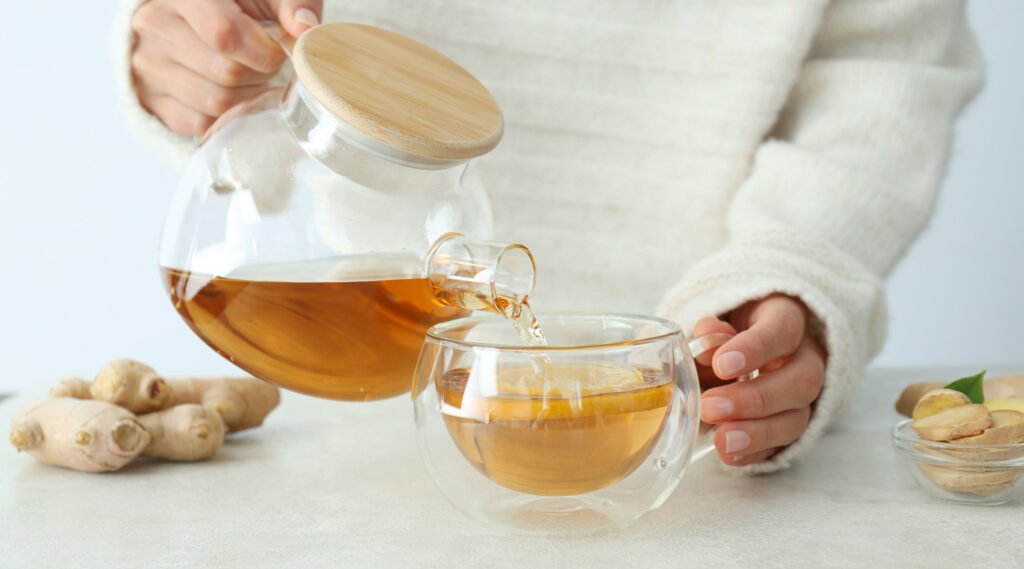
Ginger Tea
Ginger tea has long been used to manage nausea and digestive issues. It’s a popular natural remedy for easing stomach discomfort and reducing inflammation.
Probiotics
Imbalanced gut bacteria—known as dysbiosis—may contribute to several chronic conditions, including food allergies.
While more research is needed, many studies indicate that probiotics help replenish healthy gut bacteria, which may support the prevention of food allergies.
Lemon
Lemons are rich in vitamin C, a powerful antioxidant that strengthens your immune system and protects against infections and illness.
Slice or squeeze lemon into water and drink throughout the day.
Green Tea
Green tea is rich in antioxidants and can help fight inflammation. Some studies show that green tea may inhibit mast-cell activation and block histamine release.
Quercetin, a flavonoid found in green tea, helps stabilize the cells that release histamine, giving it a natural antihistamine effect.
It also offers other potential health benefits, such as supporting heart and cancer prevention.
Ginger
Besides easing stomach discomfort, ginger also helps block histamine and support immune function.
Carrot Juice
Carrot juice may help reduce allergy symptoms. It is rich in nutrients such as carotenoids, potassium, and vitamins A, C, and K.
Carrots also contain beta-carotene, a powerful antioxidant that has been shown to enhance immune cell number and activity.
References
Allergy Asthma Network. Accessed in 2025. Food Allergy Treatment and Management.
Cleveland Clinic. Accessed in 2025. Food Allergies.
Verywell Health. Accessed in 2025. Home Remedy for Food Allergy.
WebMD. Accessed in 2025. Foods That Trigger Itchy Skin.




Leave feedback about this