
Brightening the intimate area is something many women desire. Darkening in this area can affect psychological well-being, ranging from reduced self-confidence to feelings of discomfort, especially during intimate moments.
In fact, caring for the intimate area is just as important as caring for other parts of the body.
The intimate area often appears darker than other areas of the skin, and this is very common.
In most cases, intimate area darkening is not dangerous and does not indicate a specific health problem.
Various factors can cause the intimate area to darken. Wearing tight clothing, repeated friction, and using unsuitable soaps can all contribute to changes in skin color.
Hormonal changes also play a significant role, such as during pregnancy, after childbirth, menopause, or when using hormonal contraceptives.
It is therefore not surprising that many women look for safe ways to brighten the intimate area and achieve a more even-looking skin tone.
However, it is essential to remember that caring for this sensitive area should never be done carelessly.
Choosing the right, safe ingredients is critical to achieving optimal results without irritation.
Ingredients That Are Considered Safe for Brightening the Intimate Area
Because the intimate area is sensitive, not all skin-brightening ingredients are safe to use.
Rather than aiming for instant whitening, intimate care should focus on maintaining skin health, reducing irritation, and gradually evening out skin tone.
Below are some ingredients that are generally considered safe and commonly used to help brighten the intimate area:
1. Niacinamide
Niacinamide is known as a gentle yet effective ingredient. It helps even out skin tone, reduce mild hyperpigmentation, and strengthen the skin barrier.
Niacinamide is suitable for the intimate area because it is non-abrasive and carries a relatively low risk of irritation when used as directed.
2. Aloe Vera
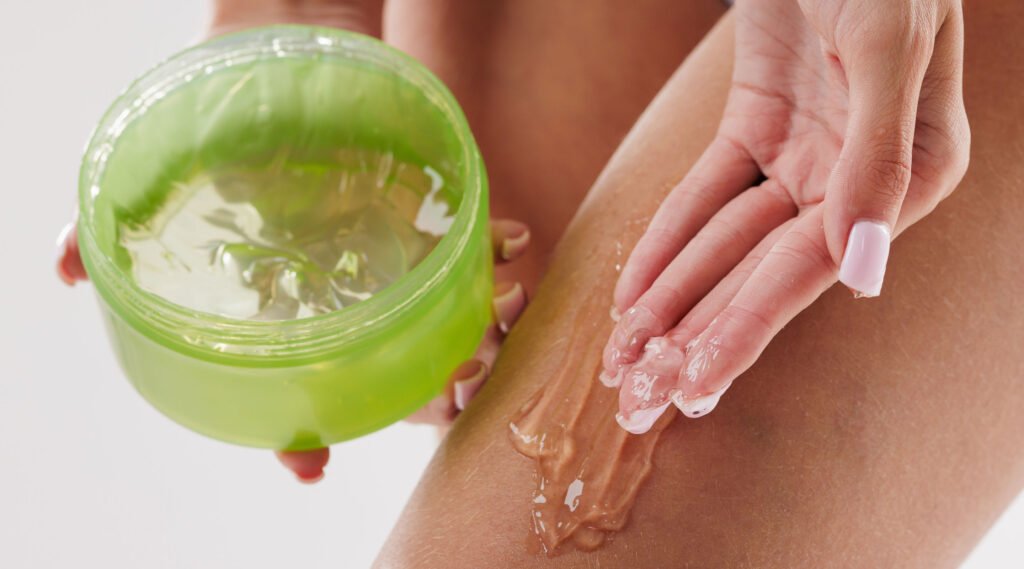
Aloe vera has soothing and moisturizing properties. It helps reduce irritation from friction or shaving, maintains skin hydration, and supports skin regeneration.
Well-hydrated and healthy skin tends to appear brighter naturally.
3. Lactic Acid (Low Concentration)
Lactic acid is one of the mildest AHAs. In low concentrations, lactic acid helps to:
- Gently remove dead skin cells
- Support skin cell renewal
- Improve overall skin tone evenness
It is crucial to ensure that the concentration is safe and specifically formulated for sensitive areas.
4. Vitamin C
Vitamin C helps inhibit excessive melanin production. For the intimate area, vitamin C should be used in low concentrations and in formulations designed for sensitive skin.
Vitamin C gradually brightens the skin rather than providing instant whitening.
5. Soothing Plant Extracts
Several plant extracts are known to be safe and are commonly used in intimate care products, such as chamomile, calendula, and licorice root.
These extracts help soothe the skin, reduce inflammation, and support a more even skin tone.
6. Glycerin
Glycerin is not a direct brightening agent, but it plays a crucial role. Dry and irritated skin is more prone to darkening.
Glycerin helps maintain skin hydration, improve elasticity, and prevent darkening caused by chronic irritation.
Common Mistakes When Choosing Products
Because the skin in the intimate area is thinner and more sensitive, using overly harsh ingredients can trigger irritation, inflammation, and even worsen discoloration.
Instead of becoming brighter, the skin may darken further due to repeated irritation.
Below are some ingredients that should be avoided when trying to brighten the intimate area:
1. Hydroquinone
Hydroquinone is a potent skin-lightening agent, but it is not recommended for use in the intimate area. Long-term use may cause irritation and skin thinning.
2. Topical Steroids
Creams containing corticosteroids are often used without medical supervision. Long-term use can increase the risk of fungal or bacterial infections and lead to uneven skin tone.
3. Alcohol (Alcohol Denat, Ethanol)
Alcohol may make the skin feel “clean” or cool, but in the intimate area, it can dry out the skin and damage the skin barrier.
4. Fragrances and Artificial Perfumes
Products with strong scents are one of the most common causes of irritation in the intimate area. Artificial fragrances can disrupt the natural pH balance.
5. Soaps with High pH Levels
Regular body soaps often have a pH that is too alkaline for the intimate area. Routine use can disrupt the natural flora balance and trigger irritation and dryness.
To brighten the intimate area, the key is not harsh ingredients, but consistency, gentleness, and protection of the skin barrier.
Skin that is frequently irritated is actually more prone to darkening.
Reference
National Library of Medicine. Accessed in 2025. Safety of skin care products during pregnancy.




Leave feedback about this