
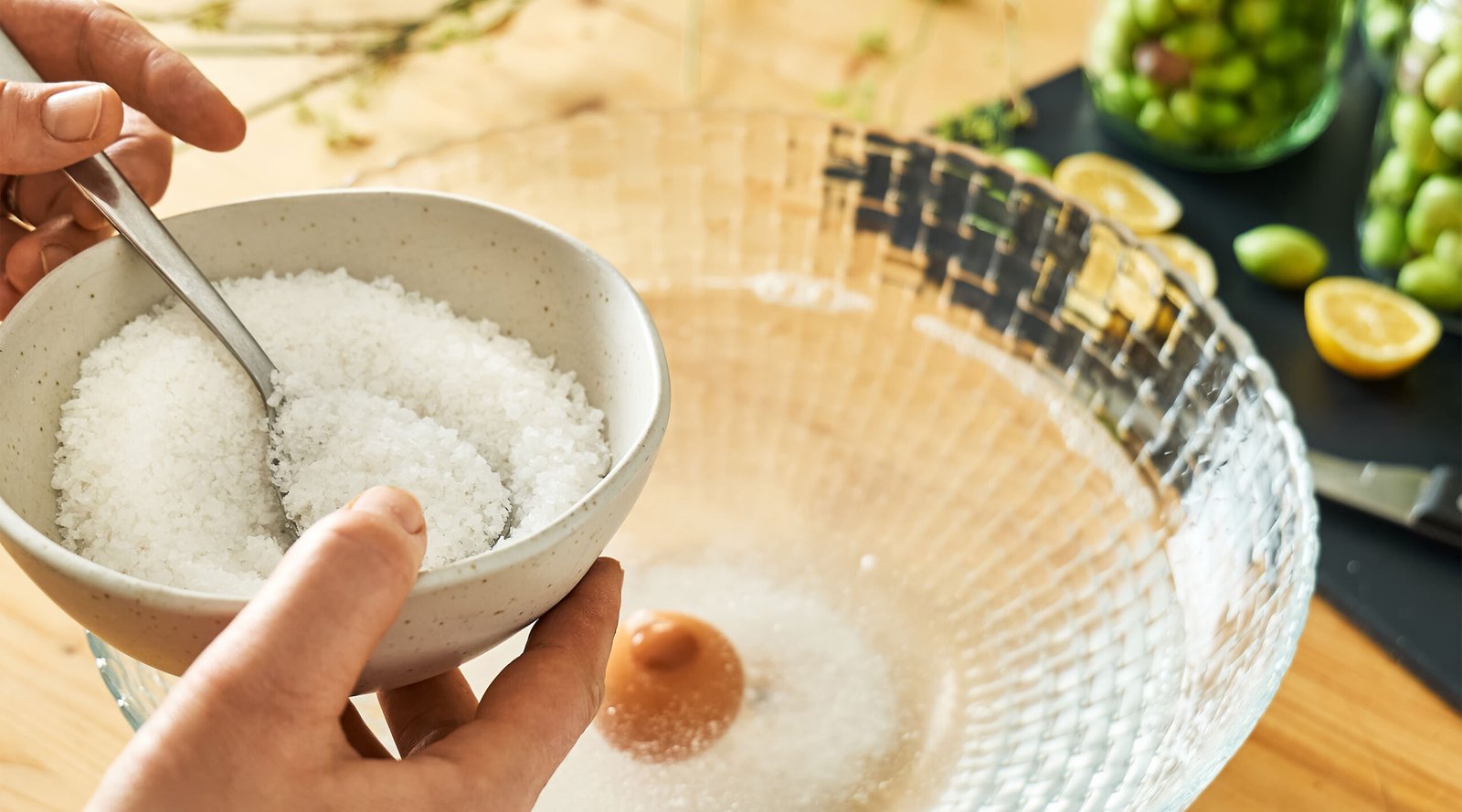
Skin irritation is a common issue for people with eczema. They are often advised to reduce salt intake.
Until now, salt has primarily been associated with hypertension, where patients must reduce high-sodium foods to manage their blood pressure.
A study published in JAMA Dermatology in 2024 involving more than 216,000 participants found a link between high sodium intake and an increased risk of atopic dermatitis—a skin condition characterized by dryness, itching, and rashes.
The study revealed that higher body sodium levels are associated with more severe symptoms in individuals with atopic dermatitis.
So, it’s not only people with hypertension who need to monitor their salt intake. Individuals with eczema must do the same to prevent frequent flare-ups.
How to Reduce Eczema Flare-Ups

1. Balance Your Sodium Intake
The first step to protecting your skin is to control your daily salt consumption.
The Indonesian Ministry of Health recommends a daily sodium intake of no more than 2,000 mg, equivalent to 5 grams or 1 teaspoon of salt.
Limit processed foods, fast food, and salty snacks that are high in sodium. Without realizing it, these foods often contribute the most to excess salt intake.
2. Stay Hydrated
Excess salt can cause the body to lose fluids, making adequate water intake crucial for maintaining skin hydration.
Water helps flush out excess sodium through urine and sweat, while keeping skin cells hydrated.
To stay naturally hydrated, you can also include water-rich fruits such as watermelon, oranges, and cucumbers.
3. Use Hydrating Skincare
Use skincare products with intensive moisturizing ingredients such as hyaluronic acid, glycerin, and ceramides.
These ingredients help attract and lock in moisture, strengthen the skin’s natural barrier, and prevent dullness or dryness caused by excess salt.
If your skin is sensitive, choose products without alcohol or fragrance to prevent irritation.
4. Consume Potassium-Rich Foods
Potassium plays an essential role in balancing sodium levels in your body and helps reduce water retention, which can lead to swelling.
Add potassium-rich foods such as bananas, spinach, avocados, and sweet potatoes to your daily meals.
Besides regulating salt balance, these foods are also packed with antioxidants that support skin cell regeneration and maintain skin elasticity.
Products That Help Soothe Eczema
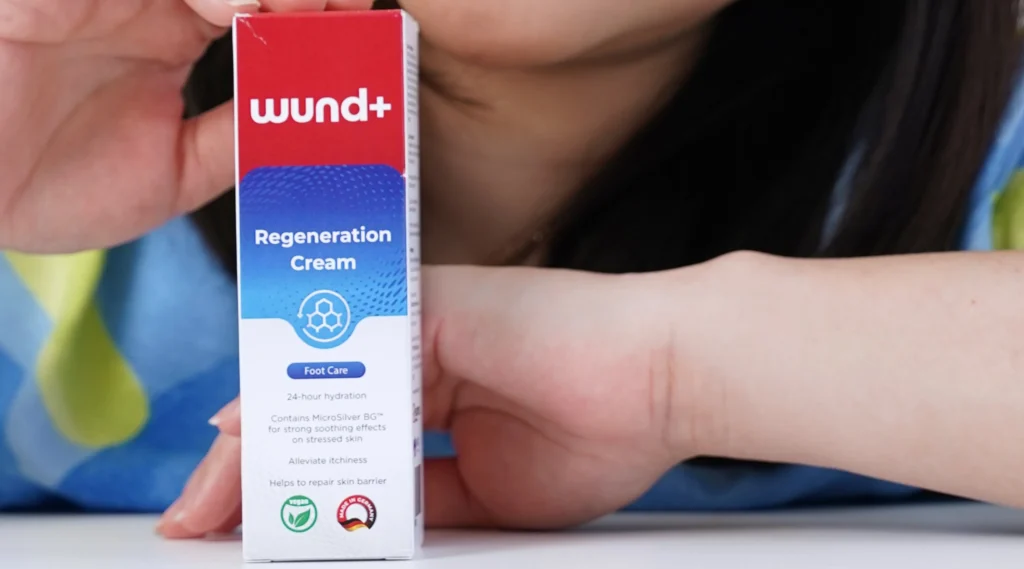
To manage eczema, you can use wund+™ Regeneration Cream. This topical cream is designed to regenerate and moisturize dry, cracked, and irritated skin.
It has antimicrobial properties that help inhibit the growth of bacteria, viruses, fungi, and parasites. Its allantoin and panthenol help soften and reduce cracking, while its silver content helps soothe stressed skin.
References
Healthline. Accessed in 2025. Too Much Sodium Can Make Atopic Dermatitis Worse.
Health Harvard. Accessed in 2025. Eating a sodium-rich diet is tied to increased eczema risk.
Medical News Today. Accessed in 2025. Eczema: Too much sodium may increase atopic dermatitis.
West Lake Dermatology. Accessed in 2025. Here’s How Salt (Sodium) Affects Skin Health & Appearance.





Leave feedback about this