
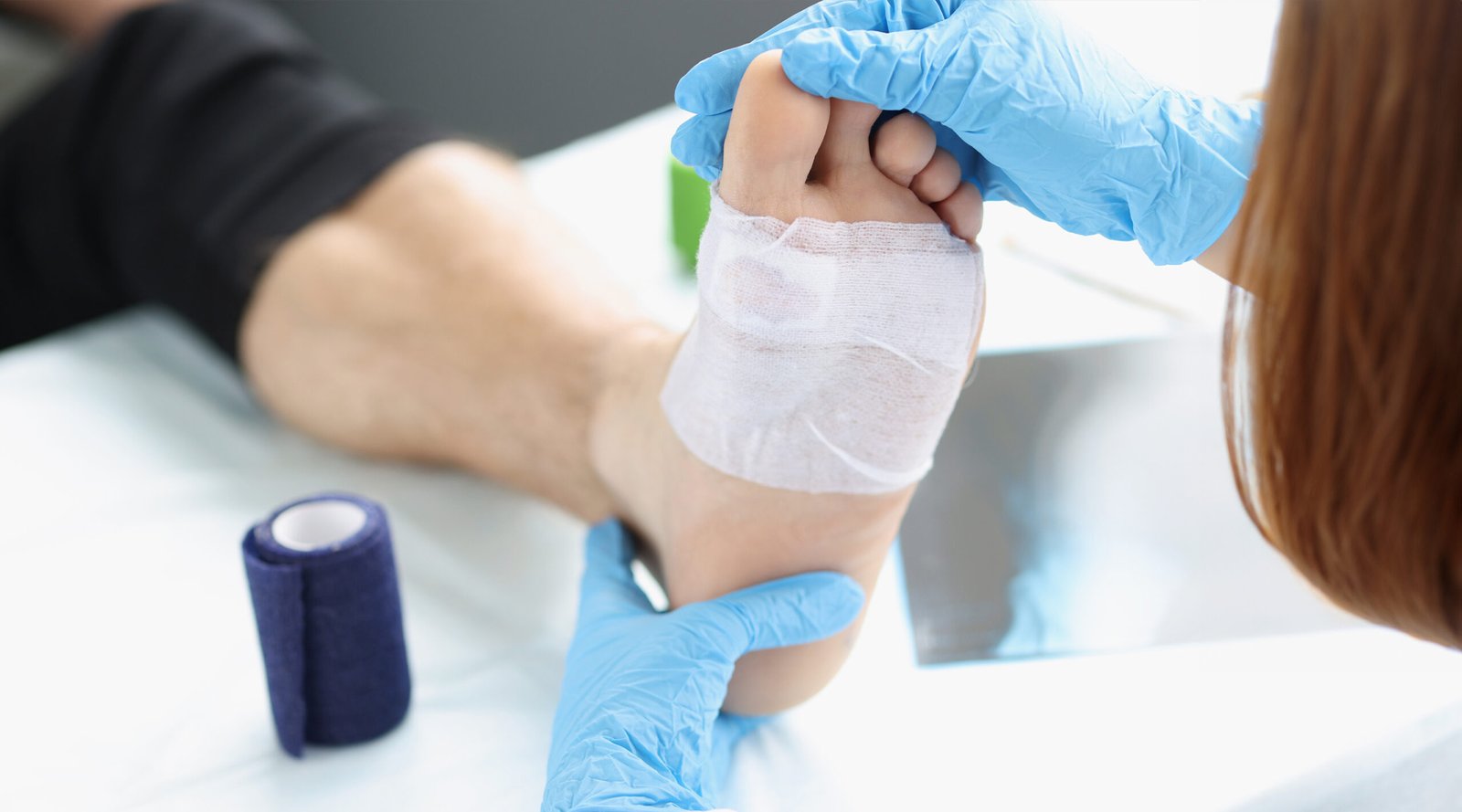
Normally, small wounds can heal within a few weeks. However, for people with diabetes, the healing process is often much slower.
Understanding the reasons behind why wounds heal slowly can help in managing their care.
This makes wounds more prone to infection and even progress into dangerous diabetic ulcers.
The good news is, there are ways for people with diabetes to speed up wound healing and prevent serious complications.
Why Do Wounds Heal Slowly?
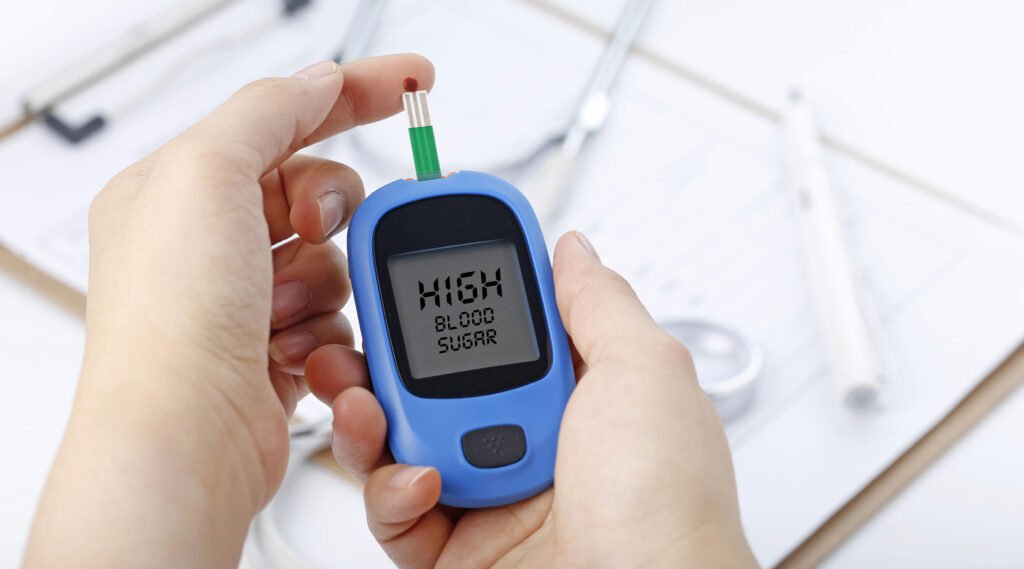
Not all people with diabetes develop chronic, non-healing wounds. Still, several factors contribute to delayed healing:
1. High Blood Sugar
Diabetes makes it difficult for the body to control blood sugar levels, which slows down wound healing.
Persistently high blood sugar can:
- Disrupt blood circulation
- Damage nerves
- Weaken the immune system
2. Poor Blood Circulation
Poor circulation reduces blood supply to the wound, meaning less oxygen and fewer nutrients reach the site to support healing.
In people with diabetes, this is often caused by:
- Thicker blood due to high sugar levels
- Peripheral artery disease (narrowing of arteries caused by plaque buildup)
- Weakening of veins, leading to blood pooling in the legs and chronic venous insufficiency
3. Diabetic Neuropathy
About 60% of people with diabetes experience neuropathy, or nerve damage due to high blood sugar. This can cause loss of sensation in the feet and hands.
As a result, patients may not notice small cuts, blisters, ingrown toenails, or calluses. Untreated wounds can easily worsen and lead to serious infection.
4. Weakened Immune System
High blood sugar also impairs immune function. For example:
- Harmful compounds (dicarbonyls) form and weaken body defenses
- Natural immunity declines due to glycation (sugar attaching to proteins)
- White blood cells move more slowly because of thickened blood
- High sugar levels create a favorable environment for bacterial growth
The combination of these factors makes it harder for the body to fight infection and slows the healing process.
Signs a Wound Healing Slowly
Although healing usually takes longer in people with diabetes, wounds should still show improvement within a few weeks. Watch for warning signs such as:
- Persistent inflammation: redness, swelling, or pain that doesn’t improve after a week
- Recurring inflammation: symptoms return after initially getting better
- Signs of infection: the wound feels warm, painful, oozes pus or fluid, smells bad, or has dark edges
If any of these occur, seek medical attention immediately.
How to Care for Wounds in People with Diabetes
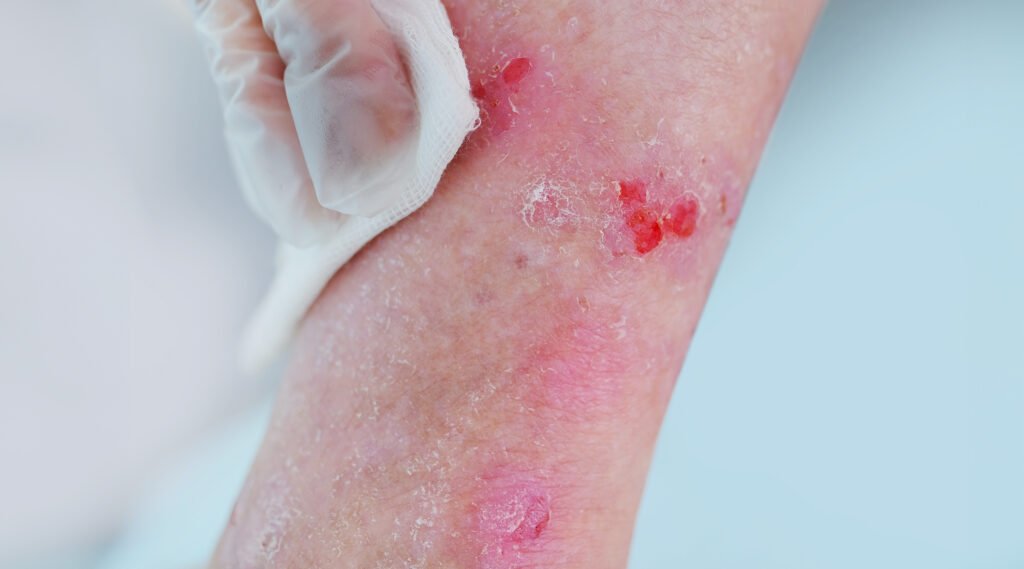
The main goals of wound care are to speed up healing and prevent infection. Here are some steps:
- Gently clean the wound and cover it with a sterile bandage; change it daily.
- Wear shoes and socks to protect the wound. Avoid walking barefoot.
- Keep blood sugar levels under control to support healing.
- Check the wound every day for signs of infection. If healing does not progress, consult a doctor.
For severe wounds, treatment may involve antibiotics, specialized wound care, or even hospitalization.
Wounds in people with diabetes heal more slowly due to the effects of high blood sugar on circulation, nerves, and the immune system.
With proper care, routine monitoring, and good blood sugar control, the risk of complications can be reduced.
Never ignore even a small wound! In people with diabetes, minor cuts can quickly turn into serious problems if left untreated.
References
Apma. Accessed in 2025. Diabetic Wound Care
Health Partners. Accessed in 2025. Diabetic wounds that won’t heal? Learn why you’re healing slowly and how to speed up the process.
Medical News Today. Accessed in 2025. How does diabetes affect wound healing?





Leave feedback about this