

C-section scars occur after a cesarean section, a surgical procedure to deliver a baby by making an incision in the mother’s abdomen and uterus.
This method is usually chosen when vaginal delivery is not possible or may pose risks to the mother or the baby.
The scar from a C-section is generally a horizontal line located just below the abdomen, measuring around 10–20 centimetres.
To close the incision, doctors may use surgical glue, stitches, or even staples, depending on the medical condition of each patient.
Although C-section scars will naturally heal over time, proper care is essential. Without proper treatment, the scar may become itchy, raised, or more noticeable.
Why Do C-Section Scars Feel Itchy?
Itching during the healing process after a C-section is quite common. This happens because of:
- Skin regeneration: new tissue is forming in the scar area.
- Irritated nerves around the scar due to stitches or staples.
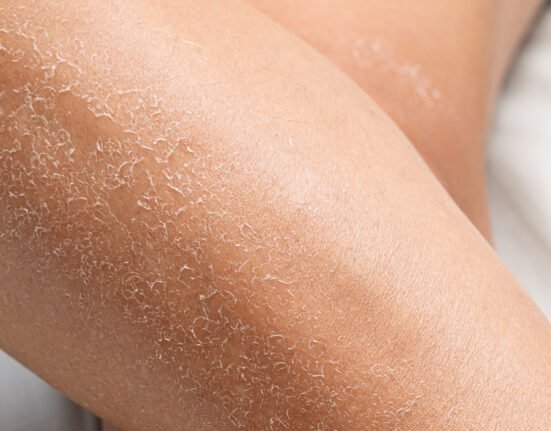
- Dryness or tightness of the skin around the incision.
- Friction from clothing on the sensitive scar area.
This itching is generally normal, but without proper care, it can cause discomfort or even increase the risk of infection.
Stages of C-Section Scar Healing
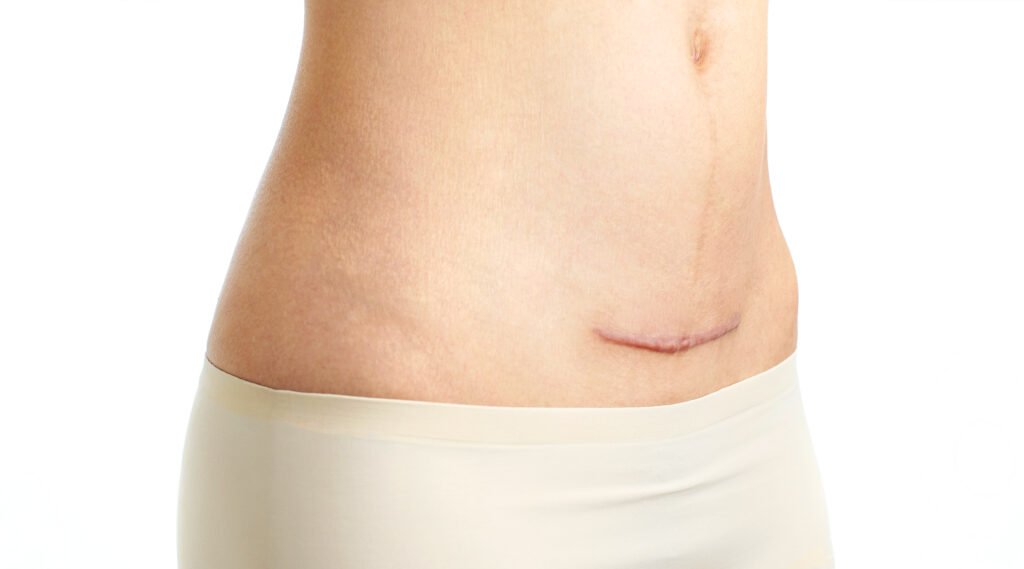
Inflammatory Stage
This stage occurs during the first few days after surgery. Bleeding stops, and white blood cells help protect the wound from infection.
The scar may look swollen, darker than the surrounding skin, and may form a scab.
Proliferative Stage
During this stage, the skin rebuilds itself by producing collagen to strengthen the tissue around the wound. New blood vessels form, and the C-section scar may look thicker and change color as it starts to shrink.
Remodeling Stage
This is the final healing stage, which can last up to a year. During this time, the scar becomes flatter and gradually fades in color.
Safe Tips for Caring for An Itchy C-Section Scar
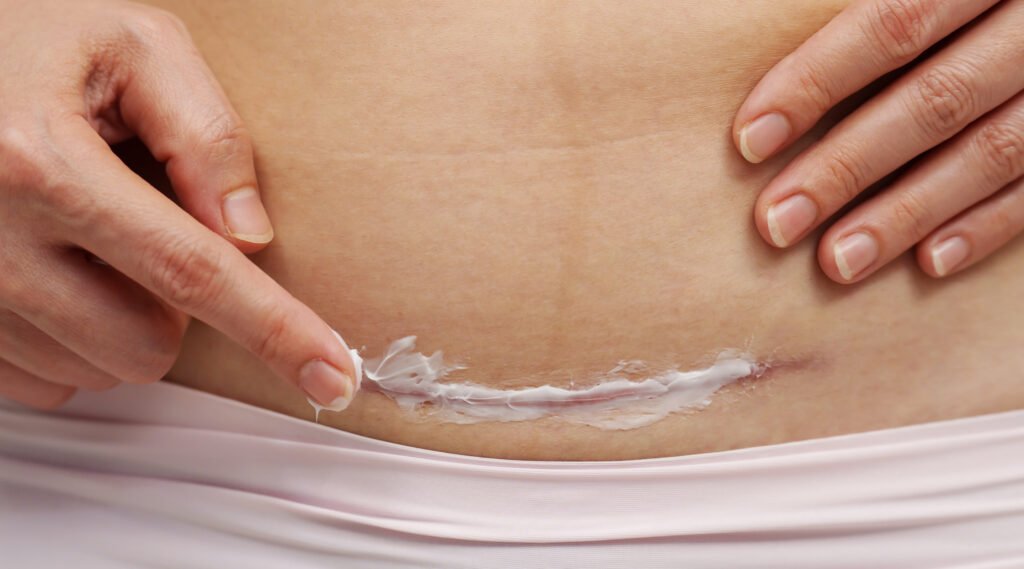
To help the wound heal faster and remain safe, follow these tips:
1. Keep The Scar Clean
- Cover it with a waterproof dressing for the first few days.
- Once removed, wash gently with clean water and pat dry with a soft towel.
- Leave it uncovered so it can dry naturally.
2. Keep The Scar Dry
If the scar is under the abdominal fold, use a clean, soft pad to prevent moisture buildup.
3. Avoid Excessive Pressure
Wear loose cotton clothing to reduce friction on the scar.
4. Monitor Your Skin’s Condition
- Bruising, numbness, or mild itching is normal.
- But consult your doctor immediately if you notice pus, foul odor, or severe pain.
5. Be Patient with The Healing Process
A C-section scar usually takes 6–10 weeks to fully heal, depending on your body’s condition.
Benefits of wund+™ Regeneration Cream
To relieve itching and support the healing process, you can use wund+™ Regeneration Cream. Its benefits include:
- Reducing itchiness around the scar area.
- Supporting skin regeneration for optimal healing.
- Moisturizing the skin to prevent dryness and tightness.
- Helping to minimize the appearance of scars after healing.
- Safe to use on sensitive skin, including post-surgical scars.
Recovering from a C-section can sometimes feel uncomfortable, especially when dealing with itching or dryness around the scar.
But with the right care and the support of wund+™ Regeneration Cream, you can feel more comfortable during recovery and more confident about your healing results.
References
Mayo Clinic. Accessed in 2025. C-Section Recovery: What to Expect.
Raising Children. Accessed in 2025. Recovery after caesarean: the first 6 weeks.





Leave feedback about this