

A painless wound may sound like a blessing. In reality, it can be a warning sign—especially for people with neuropathy.
Pain is actually the body’s natural alarm system. When the skin is injured, nerves send signals to the brain, alerting it that something is wrong.
In healthy individuals, this reflex works well. For example, when stepping on a nail, the body immediately reacts: the foot pulls away, the wound is checked, and treatment is given right away.
When Wounds Occur Without Being Noticed
However, in some people, this mechanism doesn’t work correctly. Injuries can occur without any pain.
As a result, a person may continue walking, staying active, or go about their day without realizing their foot is injured.
This condition commonly occurs in people with neuropathy, where nerve damage reduces or eliminates the ability to feel pain.
Double Danger: No Pain and Poor Healing
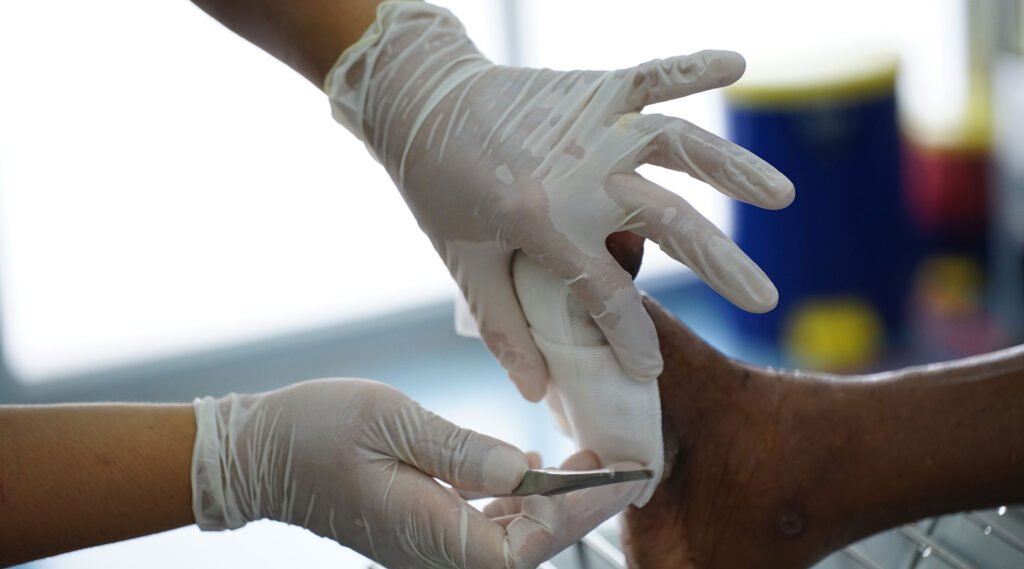
These types of injuries pose a double risk. Not only do they reduce pain sensation, but they also interfere with wound healing.
Wounds that go unnoticed are often treated late, take much longer to heal, and carry a much higher risk of severe infection.
In healthy individuals, minor wounds usually heal within a few days.
But in certain groups—such as people with diabetes and neuropathy, those with weakened immune systems, or older adults—the same minor wound can develop into a serious problem.
Many realize there is a wound only after the condition has become severe and complex to treat.
The Dangers of Ignoring Painless Wounds
Many people delay seeking treatment because they believe a wound is only severe if it hurts. This assumption is incorrect.
In fact, painless wounds can be just as dangerous—if not more dangerous—than painful ones.
Without being noticed, these wounds can continue to worsen.
They may widen and deepen over time, penetrating the skin layers and reaching underlying tissues without giving any “warning” in the form of pain.
Here are some significant risks of ignoring painless wounds:
1. Severe Infection
Because they don’t cause pain or irritation, these wounds are often overlooked. As a result, bacteria can enter, multiply, and spread deeper into the tissue without detection.
When symptoms finally appear, the infection is often already severe.
2. Delayed Healing
Unnoticed wounds are often left uncleaned or improperly cared for. This significantly slows the healing process and creates an ideal environment for bacterial growth.
Without appropriate care, wounds can remain open for weeks or even months, eventually becoming chronic wounds that are difficult to heal.
3. Risk of Cellulitis and Bone Infection (Osteomyelitis)
If the infection continues to spread, bacteria can attack deeper tissues, including muscles and bones.
Bone infection, or osteomyelitis, is a serious condition that often requires intensive treatment and hospitalization.
4. Increased Risk of Amputation
This risk is particularly high in people with diabetes and circulatory disorders.
A small, painless wound that is ignored can progress into a severe infection, ultimately leading to amputation to prevent further spread.
What Can Be Done to Prevent Painless Wounds?

1. Perform Daily Foot Checks
For people with neuropathy, daily foot inspection is the most crucial step. Don’t just take a glance—check thoroughly, including between the toes, the soles, heels, and the underside of the feet.
Watch for the following signs:
- Redness — may indicate early pressure injury
- Calluses — caused by repeated friction or pressure, and may develop into wounds
- Toenails — too long or cut too short, potentially injuring the nail bed
- Minor cuts, blisters, or ulcers
- Bruising or changes in skin color
- Temperature differences — areas that feel warmer or colder than others
If it’s difficult to see the bottom of your feet, use a mirror or ask a family member for help.
2. Be Alert to Swelling
Swelling in the feet or ankles may indicate inflammation, infection, or circulation problems. Do not ignore it—especially if accompanied by skin color changes or wounds that don’t heal.
3. Seek Medical Care Promptly if Something Feels “Off”
If you notice any of the signs above, or sense that something isn’t right even without pain, consult a healthcare professional immediately.
Early treatment can prevent wounds from developing into serious infections and long-term complications.
Regular health check-ups also play a vital role. Early detection can prevent severe complications and help maintain quality of life.
Remember, a wound doesn’t have to be painful, dramatic, or heavily bleeding to be dangerous.
In fact, many chronic infections and long-term complications begin with minor, painless wounds that are easily overlooked.
References
Mayo Clinic. Accessed in 2025. Diabetic Neuropathy.
Ten Med Health. Accessed in 2025. Painless Wounds: The Overlooked Risk Every Patient Should Know About.
The Physioco. Accessed in 2025. What Is Peripheral Neuropathy and How Can a Physio Help?






Leave feedback about this