

The signs of menopause often begin to appear when estrogen levels in the body start to decline, and this phase can feel challenging for many women.
Physical and emotional changes such as mood swings, wrinkles, sagging breasts, fatigue, trouble sleeping, and hot flashes are all part of this natural process.
Menopause is a normal condition that every woman will experience when the ovaries stop producing estrogen.
On average, women begin to notice the early signs of menopause around age 50, although the timeline can vary for each individual.
Signs of Menopause and Their Effects on the Skin and Intimate Area
Menopausal signs do not only appear through changes in the menstrual cycle, but also through noticeable changes in the skin and intimate area.
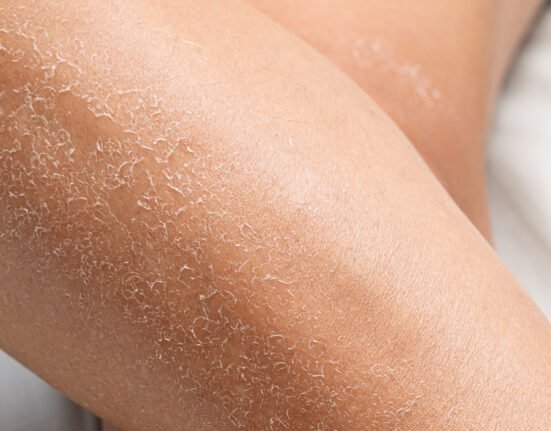
After entering menopause, many women experience thinner, drier skin that is more prone to wrinkles, sagging, and irritation.
Some may also notice fine hairs appearing on the chin or other parts of the face where hair did not grow before.
The decline in estrogen affects collagen production — a crucial protein that keeps the skin firm and elastic.
When collagen decreases, the skin becomes looser and duller. Age spots, sun damage, and acne may also appear more frequently.
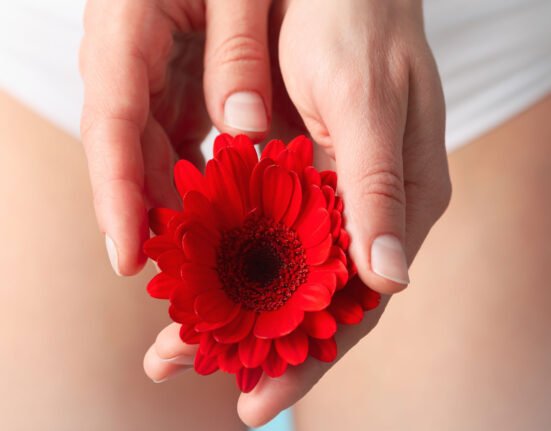
In the intimate area, hormonal changes affect the vagina, vulva, and vaginal opening. Symptoms such as dryness, discomfort, and increased risk of urinary tract infections become more common.
This condition is known as Genitourinary Syndrome of Menopause (GSM), and more than half of postmenopausal women experience it.
Changes in the intimate area often make intercourse uncomfortable or even painful. A burning sensation can also occur because the tissues of the vagina and urethra share estrogen receptors.
As estrogen levels decrease, these tissues become dry, making it easier for harmful bacteria to grow.
To help reduce symptoms, drink more water and urinate regularly.
Additionally, changes in vaginal pH during menopause are normal. A higher pH can affect the vaginal microbiome and increase the risk of infection.
Maintaining good hygiene and using gentle products can support this natural balance.
Natural Ways to Maintain Comfort During Menopause

1. Get enough sleep
Quality sleep is the foundation of good health. However, for many women in perimenopause or menopause, getting enough rest can be challenging.
Sleeping only 4–5 hours per night—compared to the ideal 7–8 hours—can worsen brain fog, reduce concentration, lower immunity, and increase the risk of heart disease and cancer.
No part of the body is spared from the effects of sleep deprivation.
2. Manage mood, anxiety, and stress
Hormonal changes during perimenopause and menopause can affect mood, motivation, and how you see yourself.
You may experience anxiety, irritability, low mood, or a loss of interest in things you usually enjoy.
Stress-management techniques such as deep breathing, journaling, or meditation can help stabilize your emotions.
3. Exercise regularly
Physical activity helps reduce the risk of type 2 diabetes, heart disease, and cancer.
Even though energy levels and motivation may decrease during menopause, regular exercise—such as walking, yoga, pilates, or strength training—can help improve mood, support heart health, and protect your joints.
4. Maintain a healthy, balanced diet
Nutritious food plays an important role in maintaining energy levels, immunity, and bone health.
As estrogen levels drop, the body needs more nutrients, especially calcium, vitamin D, protein, and fiber.
Managing your weight is also essential for long-term health, so choose whole, minimally processed foods.
5. Make time for friends and activities you enjoy
Social connection is vital for emotional and mental well-being.
Taking a walk with friends, joining community activities, or simply spending time on your hobbies can relieve stress and bring comfort during this transitional stage.
References
Breast Cancer. Accessed in 2025. Menopause and Skin Changes
Cleveland Clinic. Accessed in 2025. Menopause.
Cleveland Clinic. Accessed in 2025. Premature and Early Menopause.
Everyday Health. Accessed in 2025. 5 Changes That Happen to Your Vagina During Menopause.
The Menopause Charity. Accessed in 2025. Living Well Through Your Perimenopause and Menopause.




Leave feedback about this