
Skin-friendly clothing is essential for those with sensitive skin, especially in the feminine area. Choosing the wrong fabric can cause irritation, itching, and even infection.
Sweat and trapped moisture from poorly breathable fabrics can create an ideal environment for bacteria and fungi to grow.
That’s why every woman needs to choose skin-friendly clothing, especially for intimate areas that are more prone to friction and humidity.
Skin-Friendly Clothing for Sensitive Skin
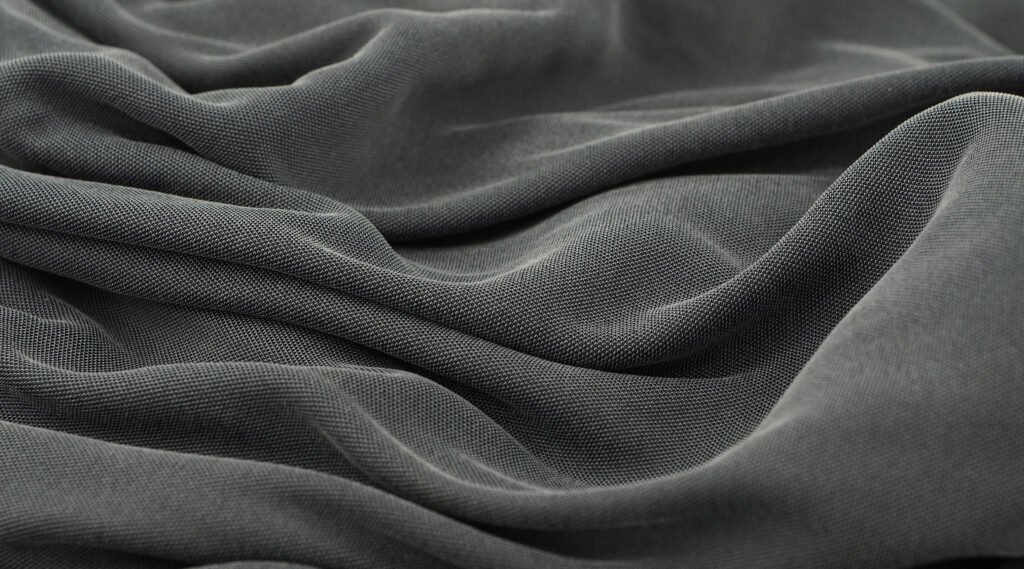
Some natural fabrics tend to be softer, breathable, and effective at absorbing moisture.
Here are some skin-friendly fabric recommendations that are safe for sensitive areas:
1. Tencel Lyocell
Made from eucalyptus tree fibers, this fabric is known to be hypoallergenic and very soft on the skin. Its excellent moisture-absorbing ability helps keep the intimate area dry and comfortable throughout the day.
2. Organic Cotton
A top choice for sensitive skin because of its soft texture and non-irritating properties. Organic cotton also absorbs sweat well, making it comfortable for daily wear.
3. Organic Hemp
Besides being durable, hemp fibers become softer over time. Its natural composition, free from harsh chemicals, makes it a sustainable and skin-friendly alternative.
4. Organic Linen
Linen has natural hypoallergenic properties and allows good air circulation. It helps keep the skin cool and dry, reducing the risk of irritation and rashes.
Risks of Synthetic Fabrics
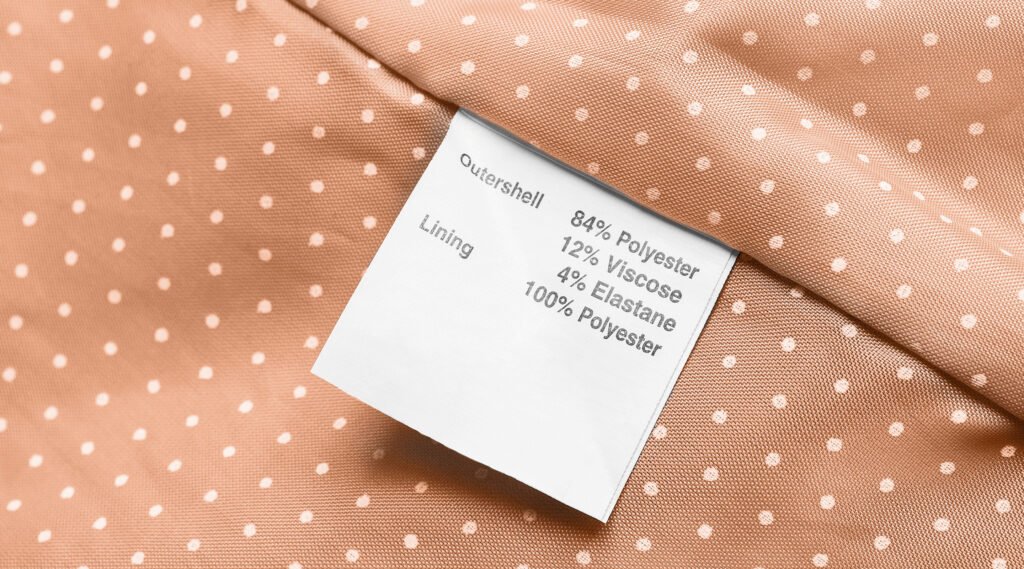
Although popular for their affordability and ease of care, synthetic fabrics such as polyester, nylon, acrylic, rayon, and spandex are not recommended for sensitive skin.
These materials tend to trap heat and sweat, creating a moist environment in the intimate area. This condition can trigger irritation, yeast infections, or contact dermatitis.
Additionally, some synthetic fabrics are treated with chemical additives like dyes or solvents that may cause allergic reactions in sensitive skin.
For underwear or tight clothing, it’s better to choose natural-blend fabrics with minimal synthetic content to maintain comfort and prevent moisture buildup.
Tips to Keep the Intimate Area Healthy

In addition to choosing skin-friendly clothing, maintaining good hygiene is also key to keeping the intimate area healthy. Here are some simple tips:
- Wear cotton underwear to keep the intimate area dry and well-ventilated. Avoid synthetic materials that trap moisture and cause irritation.
- Change your underwear daily, especially after exercising or sweating heavily.
- Avoid overly tight clothing, as it can cause friction and trap moisture.
- Wash clothes with mild, fragrance-free detergent to prevent skin irritation.
- Dry the intimate area properly after bathing or urinating to prevent bacterial growth.
Choosing skin-friendly clothing isn’t just about comfort. It’s also an important step in maintaining skin and intimate health.
Natural fabrics like organic cotton, tencel, linen, and hemp allow your skin to breathe freely, while avoiding synthetic materials helps reduce irritation risks.
With the right care and smart fabric choices, sensitive skin can stay healthy, clean, and comfortable every day.
References
Colechi. Accessed in 2025. What Is the Impact of Synthetic Clothing On our Health?
Silver’s Sea. Accessed in 2025. The 5 Best Fabrics For Sensitive Skin.




Leave feedback about this