

Wound-care mistakes can be dangerous. At some point in your life, you’ve likely had a wound—big or small.
Even a minor cut can be painful, and when an infection develops, it can turn into a much more serious problem.
So, what’s the first thing you usually do when you get a wound? Rinse it with clean water? Apply an ointment?
But what does proper wound care actually look like? What steps should you take? Here’s the full explanation.
Using Too Much Alcohol
Some people use alcohol to clean wounds—“to prevent infection,” they say. While it’s true that alcohol can kill bacteria, using it directly on wounds can actually be harmful.
Alcohol and hydrogen peroxide can damage healthy skin tissue around the wound, which is why they should not be used as the primary cleaning method.
This tissue damage may slow down healing and make the wound feel more painful.
The best thing you can do is gently clean the wound with warm or clean running water and mild soap for at least five minutes.
This simple step helps remove dirt, debris, and bacteria without harming the skin.
Letting the Wound Dry Out Completely
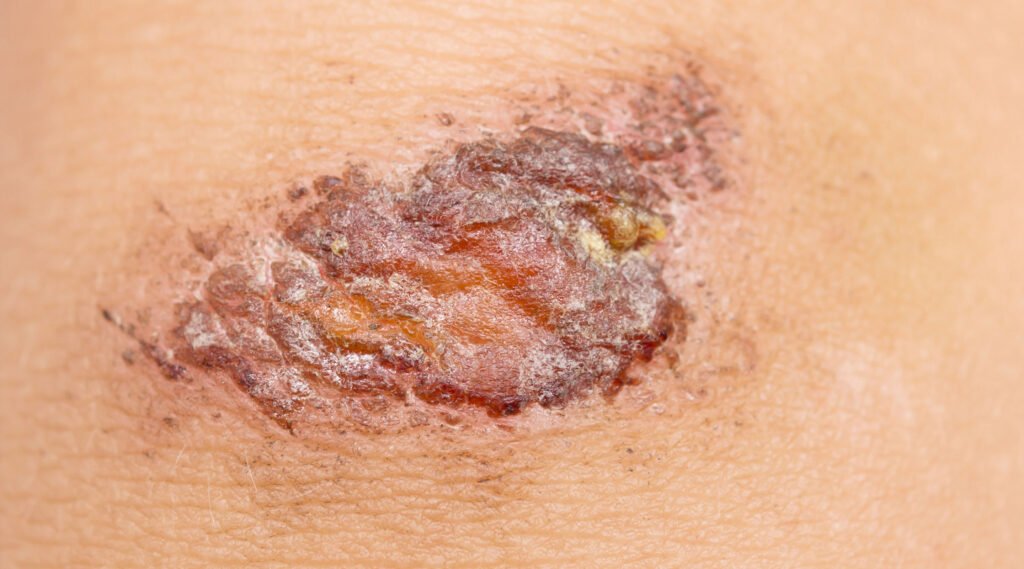
Many people think wounds must be kept completely dry to heal faster. In reality, it’s the opposite. Wounds need to stay slightly moist—not overly wet, and definitely not soaked in dirty bathwater.
After cleaning the wound, apply a small amount of topical ointment around the area to maintain moisture and support healing.
A controlled moist environment helps new skin cells grow more quickly and prevents excessive scarring.
Next, cover the wound with a dressing to keep it clean. Remove and replace the dressing at least once a day to monitor the wound and clean it again if needed.
Keeping a wound moist has been proven to speed up recovery and prevent the dressing from sticking to the skin.
This approach is especially beneficial for larger wounds or deeper abrasions. Applying a thin layer of antibiotic ointment may also reduce the risk of infection when used as directed.
Leaving the Wound Exposed
Leaving a wound exposed may seem simple, but it can actually slow healing. Dressings protect the wound from friction, dirt, and bacteria—allowing the skin to heal more efficiently and reducing the risk of infection.
Before covering the wound, make sure it is correctly cleaned so no debris becomes trapped under the dressing.
Dressings also help hold the wound edges together, promoting optimal healing.
If you’re using adhesive bandages, place them across the width of the wound rather than lengthwise.
This provides better tension to keep the wound edges closed and speeds up recovery.
Signs Your Wound Isn’t Healing Properly
Wounds follow a natural healing process. After bleeding stops and a clot forms, a scab develops to protect the wound.
In the early stages, mild swelling, redness, soreness, or clear fluid drainage is normal. As long as the drainage isn’t excessive and doesn’t last longer than a week, there’s usually nothing to worry about.
As healing progresses, new tissue begins to form to close the wound. Complete healing may take several weeks, depending on the wound’s size and depth.
However, poor wound care can slow recovery. A non-healing wound usually shows several signs, such as:
- thick or pus-like discharge;
- spreading redness or warmth around the wound;
- foul odor;
- increasing pain;
- darkening of the wound edges;
- fever.
If you notice these symptoms, consult a doctor promptly to prevent further complications.
References
Ohio State. Accessed in 2025. Common wound care myths busted.
webMD. Accessed in 2025. Slideshow: Wound Care True or False




Leave feedback about this