

Vaginal whitening products often spark curiosity, especially among pregnant women. Physical changes during pregnancy are unavoidable, including changes in skin color in the intimate area.
During pregnancy, hormonal surges—particularly estrogen and progesterone—can trigger hyperpigmentation.
As a result, the intimate area may appear darker. This darkening does not occur only in the genital area; it also commonly affects the underarms, neck folds, and groin.
This phenomenon is normal and very common during pregnancy.
However, emotionally, these skin color changes can affect the confidence of some expectant mothers.
It is not uncommon for pregnant women to consider using vaginal whitening products to restore a lighter appearance in the intimate area.
Unfortunately, not all vaginal whitening products are safe to use during pregnancy. Some contain active ingredients that may pose risks to both the mother and the fetus, mainly when used without medical supervision.
Therefore, before being tempted by claims such as “instant whitening” or “safe for everyone,” it is essential for pregnant women to understand:
- Are vaginal whitening products truly safe during pregnancy?
- Which ingredients are still considered relatively safe?
- Which ingredients should be avoided entirely during pregnancy?
Let’s take a closer look at which vaginal whitening ingredients are considered safer and which should be avoided, so intimate care can remain comfortable without compromising health.
Vaginal Whitening Ingredients That Are Relatively Safe for Pregnant Women
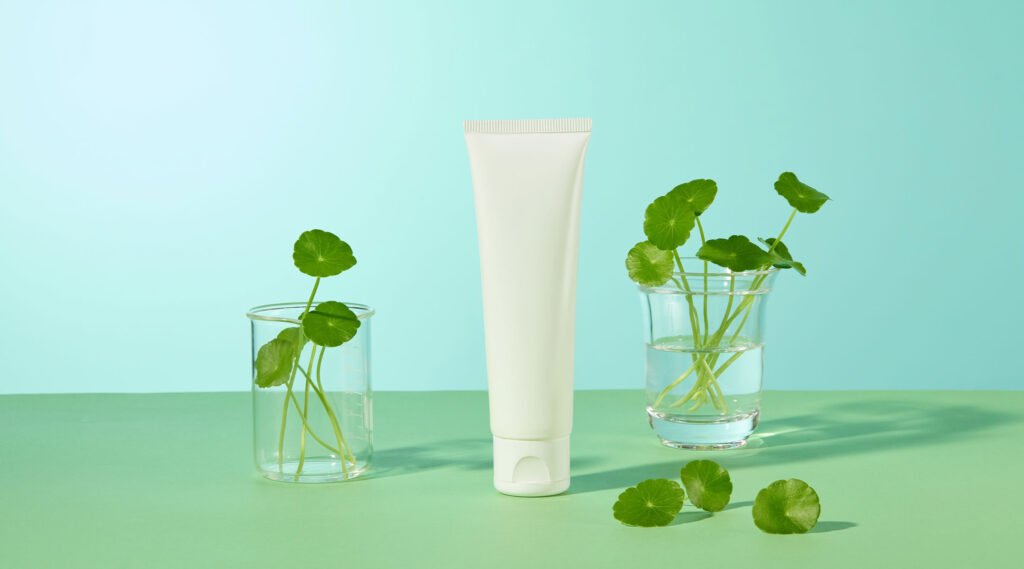
The following ingredients are generally considered safer to use during pregnancy, provided they do not cause irritation and are used as directed.
Relatively Safe Ingredients
1. Niacinamide (Vitamin B3)
Helps even out skin tone, strengthens the skin barrier, and gradually reduces hyperpigmentation without irritation.
2. Lactic Acid (Low Concentration)
One of the mildest AHAs. It supports gentle skin renewal while helping maintain moisture in the intimate area.
3. Alpha Arbutin (Low Concentration)
Plant-derived and works more gently than hydroquinone to help brighten the skin.
4. Centella Asiatica Extract
Soothes the skin, supports tissue repair, and helps maintain skin elasticity during hormonal changes.
5. Aloe Vera
Moisturizes, soothes, and helps reduce irritation caused by friction or pH changes.
6. Glycerin
Helps maintain skin hydration and prevents dryness in the intimate area.
Even though these ingredients are considered relatively safe, every pregnant woman’s skin may react differently.
If stinging, itching, or irritation occurs, stop using the product immediately.
Ingredients That Pose Risks for Pregnant Women (Should Be Avoided)
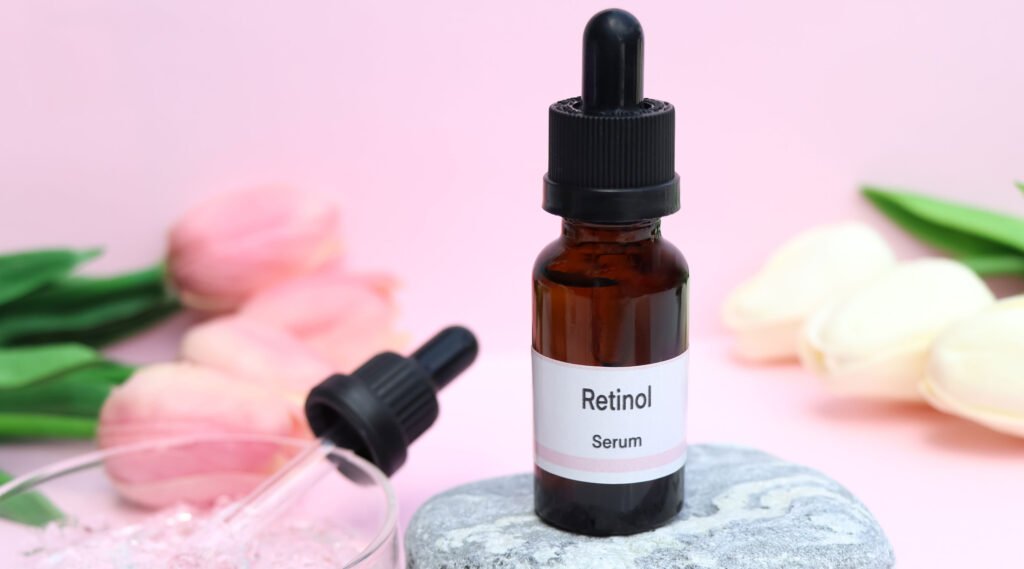
In addition to choosing safe ingredients, pregnant women should also be aware of vaginal whitening ingredients that are best avoided due to potential risks during pregnancy.
Hydroquinone
A potent skin-lightening agent that can be easily absorbed into the bloodstream. Its use during pregnancy is a concern due to potential effects on fetal development.
Retinol (Vitamin A and Its Derivatives)
Commonly used to accelerate skin cell turnover and brighten the skin. However, retinol carries a high risk during pregnancy and may harm fetal development.
Chemical Sunscreens
Certain chemical sunscreen ingredients can be absorbed into the body and may interfere with hormonal balance.
For sensitive areas such as the intimate area, these ingredients should be avoided.
High-Concentration AHAs
Although mild AHAs like lactic acid are relatively safe, high concentrations of AHAs can irritate, sting, and disrupt the delicate balance of the intimate skin during pregnancy.
***
Darkening of the intimate area during pregnancy is a natural and harmless process. If pregnant women choose to use vaginal whitening products, extra caution is essential.
Opt for gentle ingredients, avoid aggressive substances, and do not hesitate to consult a healthcare professional if there is any uncertainty.
Reference
National Library of Medicine. Accessed in 2025. Safety of skin care products during pregnancy.






Leave feedback about this