
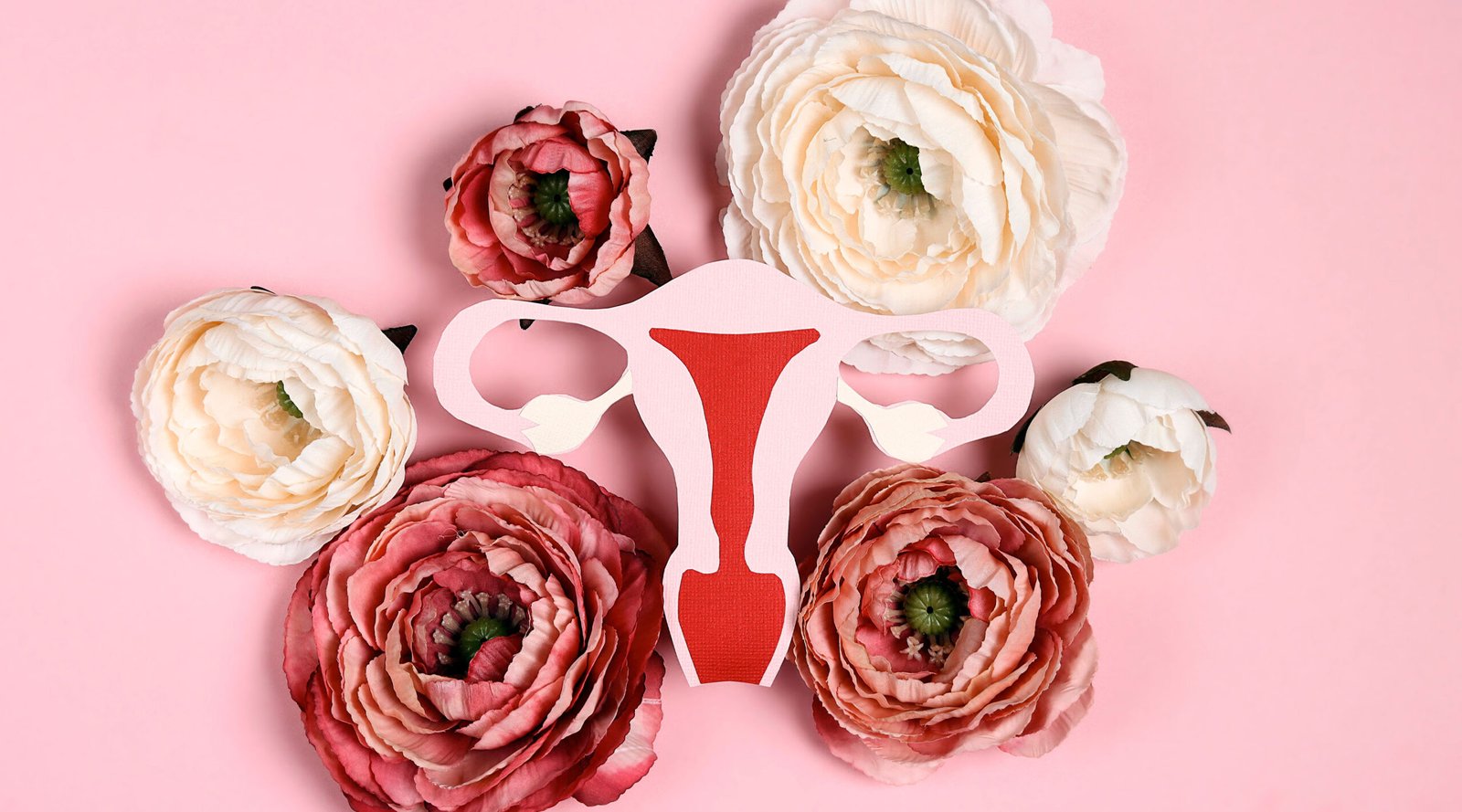
Vaginal flora often signals when something isn’t quite right in the intimate area—whether through changes in odor, unusual vaginal discharge, or a general sense of discomfort.
These changes often occur when the natural balance of the intimate area is disrupted.
What Happens in the Intimate Area?
The vagina actually exists within a natural environment called the vaginal microbiome, or vaginal flora.
This is where various bacteria live together and work collectively to maintain vaginal health.
In a healthy state, vaginal flora is dominated by beneficial bacteria called Lactobacillus.
These bacteria play a crucial role as the body’s natural “guards,” protecting the vagina from infection.
The Important Role of Lactobacillus
Lactobacillus protects vaginal health in several ways:
- Protecting the vagina from external microbes and preventing the overgrowth of harmful bacteria inside the vagina
- Inhibiting the growth of infection-causing microorganisms, such as fungi and bacteria associated with vaginosis
- Producing lactic acid, which helps maintain vaginal acidity
A healthy vaginal pH ranges from 3.5 to 4.5. This acidic environment makes it difficult for harmful microorganisms—such as Escherichia coli (E. coli), Gardnerella vaginalis, Candida, and Atopobium vaginae—to thrive.
What Can Disrupt Vaginal Flora?
Many factors can trigger an imbalance in vaginal flora, including:
- Antibiotic use
- A weakened immune system
- Sexual activity
- Use of lubricants or vaginal cleansing solutions
- Hormonal contraception or specific contraceptive methods
- Menstrual cycle changes
- Pregnancy and aging
- Scented intimate hygiene products
- Diets high in sugar and processed foods
Symptoms of Imbalanced Vaginal Flora
When the vaginal microbiome is disrupted, common symptoms may include:
- Itching or soreness in the vaginal area
- A burning sensation
- Changes in the color, amount, or odor of vaginal discharge
- Unpleasant vaginal odor
- Irritation
- An increased risk of infection
Bacterial Vaginosis: The Most Common Disorder
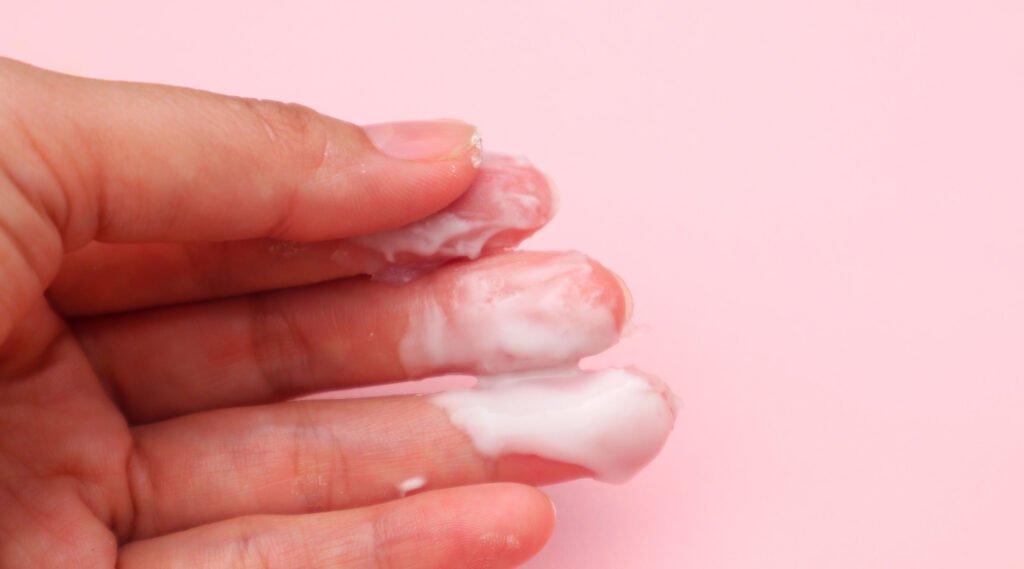
One of the most common vaginal flora disorders in women of reproductive age is bacterial vaginosis (BV).
This condition is characterized by a decrease in Lactobacillus and an increase in anaerobic bacteria.
Symptoms of bacterial vaginosis may include:
- Excessive vaginal discharge (white, gray, or greenish)
- A characteristic fishy or unpleasant vaginal odor
- Vaginal itching
- A burning sensation during urination
Risk factors for bacterial vaginosis include frequent changes of sexual partners, not using condoms, vaginal douching, smoking, and menstrual blood. However, many women may develop BV without any clear risk factors.
Tips to Maintain Healthy and Balanced Vaginal Flora

Healthy vaginal flora plays an essential role in protecting the intimate area from infections, unpleasant odors, and irritation.
The good news is that this balance can be maintained—and even restored—through simple daily habits.
1. Practice Proper Hygiene
Clean only the external genital area (the vulva) using a gentle, fragrance-free cleanser. Rinse thoroughly and pat dry with a clean towel.
During menstruation, hygiene should be maintained more frequently as needed.
Always wipe from front to back after using the toilet to prevent bacteria from the anus from entering the vagina.
2. Choose Comfortable Underwear
Wear cotton underwear that isn’t too tight. Cotton helps absorb moisture and keeps the intimate area dry, reducing the risk of bacterial and fungal growth.
3. Use Antibiotics Only When Necessary
While antibiotics kill harmful bacteria, they can also disrupt beneficial vaginal bacteria. Use antibiotics only as prescribed by a healthcare professional.
4. Maintain a Healthy Body Weight
Excess body weight can increase moisture and friction in skin folds, including the intimate area, potentially disrupting vaginal flora balance.
5. Exercise Regularly
Regular physical activity improves blood circulation, helps control blood sugar levels, and supports the immune system—all of which contribute to vaginal health.
6. Stay Well Hydrated
Ensure adequate fluid intake according to your body’s needs. In certain situations, such as intense physical activity or hot weather, electrolyte intake may help maintain fluid balance.
7. Pay Attention to Your Diet
Diet plays a significant role in maintaining a healthy vaginal microbiome. To support balanced vaginal flora, increase intake of:
- High-fiber foods (the most important)
- Vegetables
- Prebiotic-rich foods
- Probiotic-rich foods
- Fermented foods (in moderation)
Limit sugar, yeast-containing foods, alcohol, and caffeine, as these can promote the growth of harmful microorganisms.
8. Manage Stress Effectively
Prolonged stress can affect the immune system and hormonal balance, which in turn impacts vaginal health.
Make time for rest, relaxation, and activities that help calm both body and mind.
Vaginal flora refers to the community of bacteria that naturally live in the vagina.
These bacteria help maintain vaginal health and proper pH balance.
Disruption of this natural flora can lead to conditions such as bacterial vaginosis or yeast infections.
Some researchers believe that consuming probiotics may help support healthy vaginal flora.
References
News Medical Life Science. Accessed in 2025. Vaginal Flora.
The Honey Pot. Accessed in 2025. What Is Vaginal Flora?
Verywell Health. Accessed in 2025. Vaginal Floral.






Leave feedback about this