

Caring for the vagina after exercising is essential to maintain comfort and prevent irritation.
During physical activity, sweat can make the intimate area more humid. If this moisture is left for too long, it may trigger unpleasant odors and increase the risk of infection.
However, it’s essential to understand that exercise itself does not cause infection. What can lead to problems is wearing sweat-soaked workout clothes for an extended period.
This damp environment allows bacteria and fungi to grow more easily.
Likewise, odors that appear after exercising are not caused by sweat itself. Instead, they come from bacteria on the skin that break down sweat, producing an unpleasant smell.
In addition to the underarms, other areas such as the feet, groin, navel, and skin folds can also develop odor if not properly cared for.
Odor and Infection Risks After Exercise
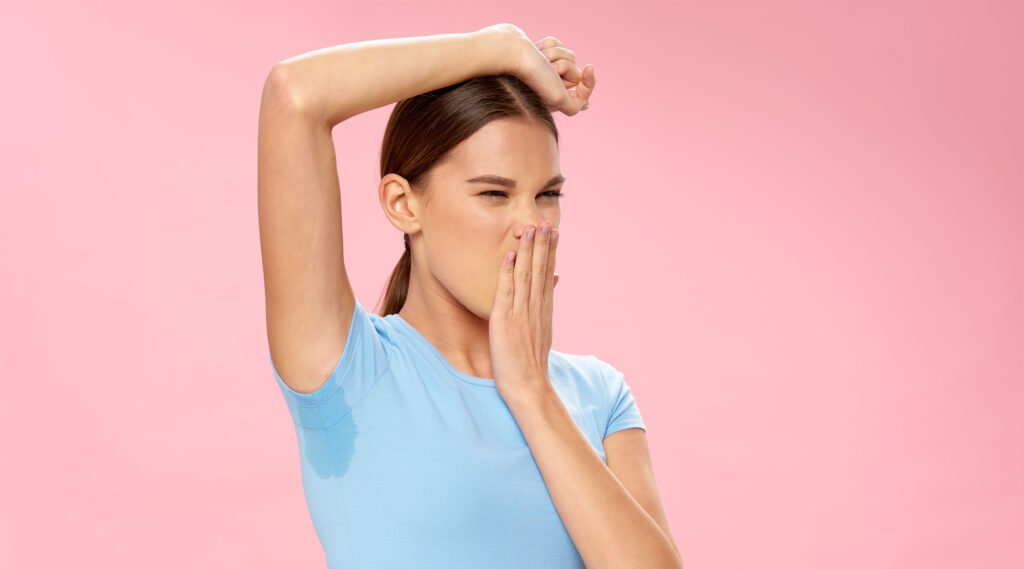
The vaginal area—similar to the underarms and groin—has two types of sweat glands: eccrine and apocrine.
Eccrine glands produce thinner, odorless sweat.
Apocrine glands—found in hair follicles around the groin—produce thicker, oilier sweat that easily develops odor when mixed with skin bacteria.
This is why the groin can feel sweatier and smell stronger after exercising. For some people, this sweat may also mix with small amounts of urine that escape during intense activities such as jumping or running, making the odor more noticeable.
After exercising, certain infections may also develop more easily if moisture remains trapped in the intimate area for too long, including:
1. Yeast Infection (Candidiasis)
Symptoms include thick, cottage cheese–like discharge, burning during urination, and pain during intercourse.
2. Bacterial Vaginosis (BV)
Characterized by persistent fishy odor, thin or discolored discharge, itching, or burning during urination.
3. Urinary Tract Infection (UTI)
Symptoms often include frequent urination, burning during urination, and pelvic discomfort.
Why You Should Change Clothes Immediately
One of the most effective ways to eliminate body odor and prevent infections after exercise is to shower and change clothes immediately.
Believe it or not, the type of fabric you wear during exercise also plays a significant role in how strong your body odor becomes.
Synthetic fabrics like polyester and nylon are popular for activewear because they wick sweat away from the skin.
However, these materials also trap bacteria and sweat residue easily—creating the perfect combination for body odor.
This is why synthetic workout clothes can still smell even after they’re washed.
On the other hand, natural fabrics like cotton are more breathable but can become uncomfortably damp during intense activity.
So, is post-workout body odor typical? Yes, completely normal.
But the fabric you choose can make the odor worse—or help keep it under control.
That’s why you should always change out of sweat-soaked workout clothes immediately and avoid re-wearing them.
This helps keep the intimate area clean, dry, and protected from infections.
How to Prevent Odor and Infection After Exercise
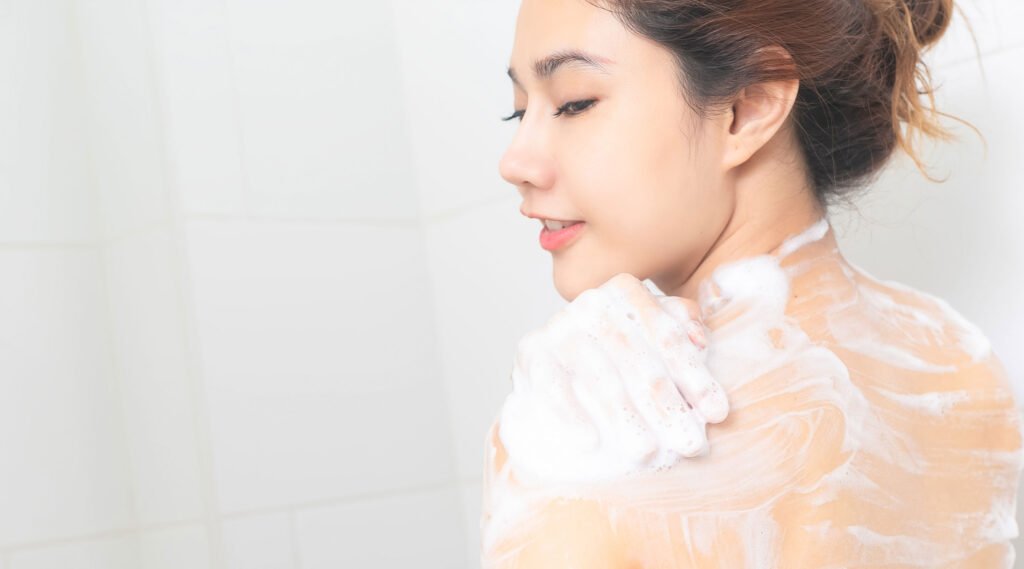
Body odor and skin infections after exercising can actually be prevented with simple habits:
1. Shower Immediately After Exercising
Removing excess sweat and oils helps prevent odor and bacterial growth.
If you can’t shower yet, at least clean skin folds—such as the underarms, groin, and under the breasts—with alcohol-free wet wipes.
2. Use Antibacterial or pH-Balanced Cleansers
These can help control bacterial growth, especially if you’re prone to heat rash, fold itch, or post-sweat rashes.
3. Dry Your Body Thoroughly
Fungi thrive in moist environments. Make sure all skin folds—including the underarms, groin, between the toes, and under the breasts—are completely dry before getting dressed.
4. Choose Breathable Workout Clothes
Sweat-wicking and quick-drying synthetic fabrics help reduce bacterial buildup.
Avoid overly tight clothing that prevents your skin from breathing.
5. Change Clothes and Underwear Immediately
Don’t stay in damp underwear or workout gear for too long. This helps prevent yeast infections and irritation.
6. Use wund+™ Wound Spray
If your skin becomes chafed during exercise, spray wund+™ Wound Spray to help reduce infection risk and support healing.
It’s also useful before workouts to prevent recurring irritation.
7. Care for Skin Folds with The Right Cream
If you often experience itch or irritation in skin folds after exercising, apply a soothing and skin-regenerating cream such as wund+™ Regeneration Cream.
References
Healthline. Accessed in 2025. What’s Up with the ‘Sports Vagina’?
The Nation’s Health. Accessed in 2025. Got body odor? Don’t sweat it. Follow these tips



Leave feedback about this