
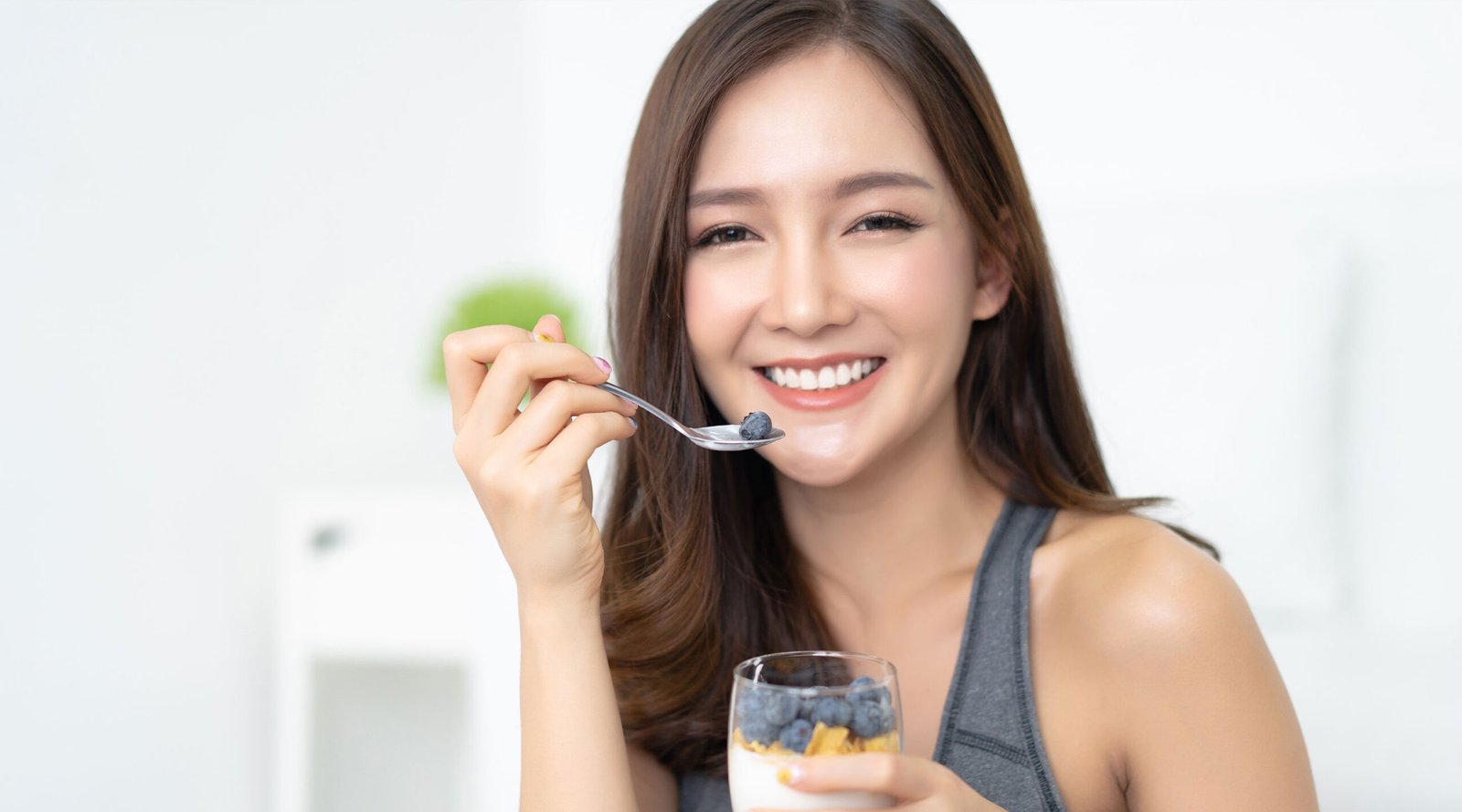
Probiotics are live microorganisms, primarily beneficial bacteria, that provide health benefits when consumed in adequate amounts.
They play an important role in maintaining the balance of the body’s microbiome, including the gut and vaginal microbiomes.
When beneficial bacteria are well balanced, the body is better equipped to protect itself against infections, inflammation, and other health disturbances.
Daily dietary habits significantly impact overall vaginal health. Adequate intake of certain vitamins, minerals, fiber, and probiotics can help reduce the risk of vaginal infections and support recovery.
In contrast, an unbalanced diet may contribute to changes in vaginal odor and disruptions in the vaginal microbiome.
The Role of the Vaginal Microbiome
The vaginal microbiome is a unique ecosystem composed of more than 200 bacterial species that inhabit the vaginal canal from the cervix to the vaginal opening.
This ecosystem is typically dominated by Lactobacillus bacteria.
Lactobacillus is beneficial because it produces lactic acid, which helps maintain a low and acidic vaginal pH (approximately 3.5–4.5).
This acidic environment plays a crucial role in inhibiting the growth of harmful bacteria and fungi.
Lactobacillus is also commonly found in probiotic-rich foods such as yogurt. These bacteria thrive in acidic environments and contribute to:
- preventing microbiome imbalance (dysbiosis);
- protecting against sexually transmitted infections (STIs);
- supporting healthy vaginal mucus production; and
- promoting healthy pregnancy and childbirth.
Best Foods for Vaginal Health
Certain foods contain nutrients and compounds that directly or indirectly support the balance of the vaginal microbiome.
A well-planned diet can promote the growth of Lactobacillus and help maintain a healthy vaginal pH.
1. Fiber-Rich Plant-Based Foods
A high-fiber diet consisting of vegetables, fruits, legumes, whole grains, nuts, and seeds is well known to support gut health.
Several studies also suggest an association with a healthier vaginal microbiome.
Tip:
Aim for at least 30 grams of fiber per day. Try oatmeal with berries, lentil salad, or vegetable and legume-based soups.
2. Fruits and Vegetables Rich in Micronutrients
Colorful fruits and vegetables are rich in vitamins and antioxidants that support immune function and the health of vaginal mucosal tissue.
- Vitamins C, D, and folate support immune system function.
- Vitamin A helps maintain healthy mucous membranes.
- Vitamin E and β-carotene act as antioxidants, protecting cells from oxidative stress.
Tip:
Add berries to your breakfast or include leafy greens in your daily stir-fries.
3. Protein-Rich Foods
Certain amino acids, such as lysine, leucine, valine, and phenylalanine, are associated with Lactobacillus dominance in the vaginal microbiota.
Good protein sources include lean meat, fish, eggs, soy products, and legumes and lentils.
Tip:
Make sure every meal includes a source of protein, whether animal- or plant-based.
4. Low-Fat Milk and Yogurt
Low-fat dairy products, especially yogurt containing live cultures, may help support vaginal microbiome balance.
Several studies suggest that higher yogurt consumption is associated with Lactobacillus dominance.
These benefits come from the combination of live bacteria, calcium, and vitamin D, which support immune health.
Tip:
Choose plain yogurt or kefir with live cultures. If you avoid dairy, opt for plant-based alternatives fortified with probiotics.
5. Starchy Foods
Whole grains, potatoes, sweet potatoes, and legumes provide complex carbohydrates that are released slowly.
These carbohydrates are converted into glycogen, an important energy source for Lactobacillus in the vagina, which then produces lactic acid.
Tip:
Use quinoa as a salad base or add sweet potatoes to your dinner menu.
Support vaginal microbiome health with a healthy lifestyle and gentle, safe, pH-balanced intimate care because sensitive areas require special attention.
References
Bio-Kult. Accessed in 2026. The best foods for vaginal health (and what to avoid)
Healthline. Accessed in 2026. Food for Vagina.
Intermountain Healthcare. Accessed in 2026. Preventing Vaginal Yeast Infections with Lifestyle and Diet Changes.
Life Space Probiotics. Accessed in 2026. Top Five Foods Containing Lactobacillus.


Leave feedback about this