
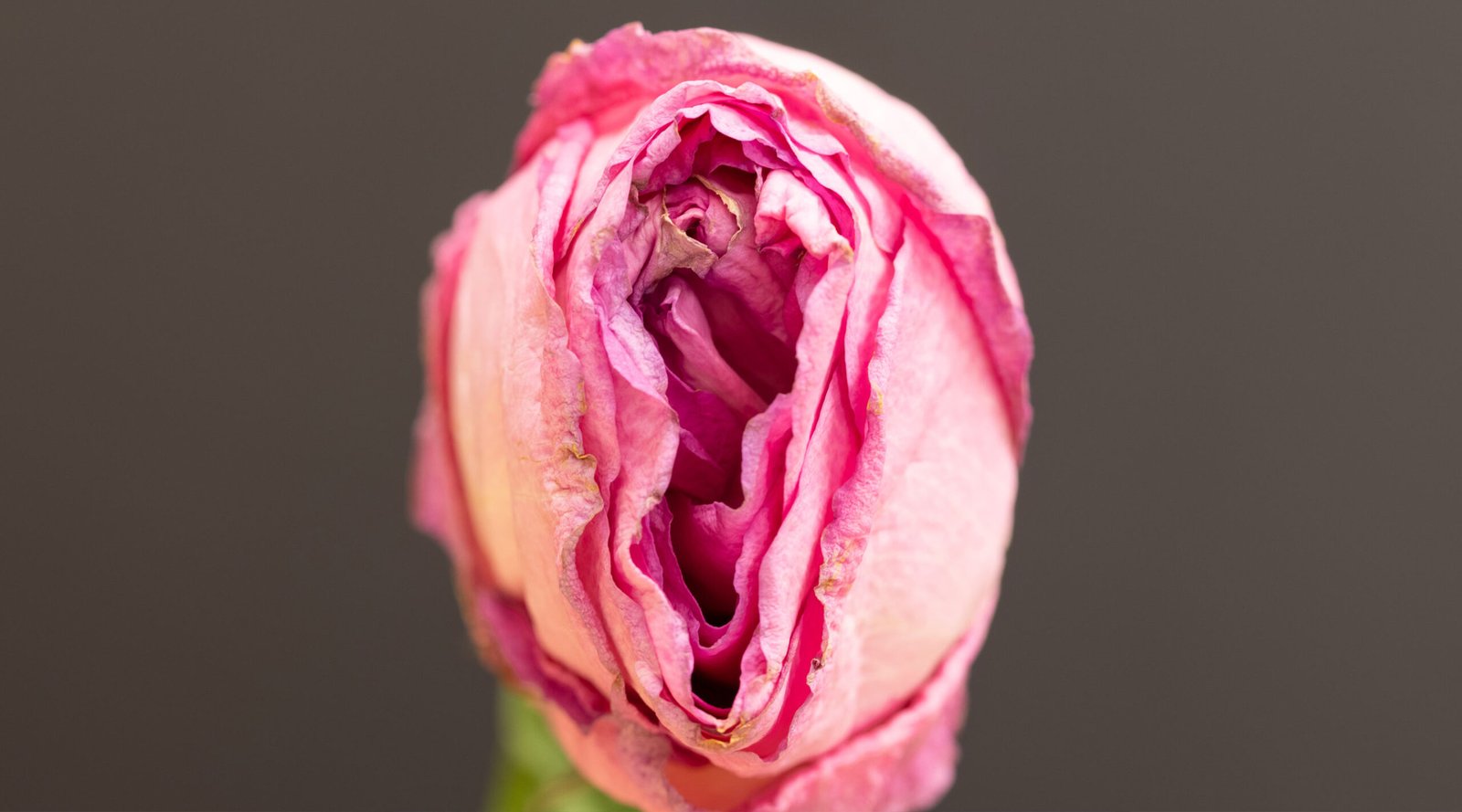
Vaginal dryness is a condition that can cause discomfort, including pain during intercourse and persistent pelvic pain.
Although it is more common in women going through menopause, vaginal dryness can also occur in younger women due to hormonal changes, stress, or certain lifestyle factors.
Common Causes of Vaginal Dryness
Vaginal dryness generally occurs due to a decrease in estrogen levels, the main hormone responsible for maintaining the health of the vulva and vagina.
When estrogen levels are low, vaginal tissues become less elastic, less lubricated, and more prone to irritation.
This is why vaginal dryness often appears during menopause or in conditions that affect hormonal balance.
Beyond hormonal changes, diet and certain medications can also contribute to vaginal dryness.
Medications that cause dry eyes or dry mouth often have similar effects on the vagina, as the related body system regulates the lubrication mechanism.
Estrogen levels also fluctuate throughout the menstrual cycle. In women who do not use hormonal contraception, estrogen levels tend to be lowest in the days just before and after menstruation.
During this time, some women may experience temporary vaginal dryness.
Ultra-low-dose hormonal contraception may also reduce natural lubrication, contributing to dryness.
Natural Solutions: Moisturizers and Supplements

1. Soothe vaginal dryness with plant-based oils
Natural oils and gentle gels can provide soothing comfort. They are easy to find, simple to use, and help restore moisture both for daily comfort and during intercourse.
Some ingredients you can try include coconut oil, aloe vera gel, olive oil, or sunflower seed oil.
2. Stay hydrated
Dehydration can make vaginal tissues drier and less elastic, worsening discomfort. Drinking enough water helps maintain hydration throughout the body, including the vaginal area, so moisture stays balanced.
Aim to drink at least 8 glasses of water a day, and increase intake if the weather is hot or you are physically active.
3. Support hydration with supplements
In addition to oils and gels, supplements such as vitamin E and phytoestrogens can help maintain internal moisture.
These nutrients support tissue health, help stabilize hormones, and may naturally reduce dryness.
4. Adopt healthy lifestyle habits
Certain habits can worsen dryness, such as smoking, excessive alcohol consumption, or douching.
On the other hand, regular exercise improves blood circulation, supports the health of vaginal tissues and overall well-being.
How to Choose Safe Lubricant Products
The best lubricant for vaginal dryness depends on each person’s needs and comfort.
- Water-based lubricants are the most common because they feel light and are easy to clean, although they may need to be reapplied more frequently.
- Silicone-based lubricants provide longer-lasting moisture. They have a smoother texture and do not dry out quickly.
- Oil-based lubricants can be comfortable for activities like massage or external use, but keep in mind that they can weaken latex condoms and are not recommended if condoms are used for protection.
When choosing a lubricant, always check the ingredient list to ensure there are no components that could irritate.
Choose based on your activities and test a small amount first to see how your body reacts.
References
Mayo Clinic. Accessed in 2025. Vaginal dryness: Symptoms, causes, remedies.
Verywell Health. Accessed in 2025. Healing Vaginal Dryness With Natural Remedies



Leave feedback about this