

Feminine washes are often part of many women’s personal care routines. The right product not only helps maintain hygiene but also supports comfort, confidence, and protection against infections.
With a gentle formula and balanced pH, feminine washes help maintain the natural flora in the intimate area so it stays healthy, fresh, and irritation-free.
However, did you know that using regular soap can actually disrupt this natural balance?
According to the American College of Obstetricians and Gynecologists (ACOG), the vagina has a natural self-cleaning mechanism.
Its slightly acidic pH and the presence of beneficial bacteria (lactobacillus) help maintain a healthy environment and prevent harmful bacteria from growing.
Ingredients in Regular Soap That Can Disrupt Vaginal Flora
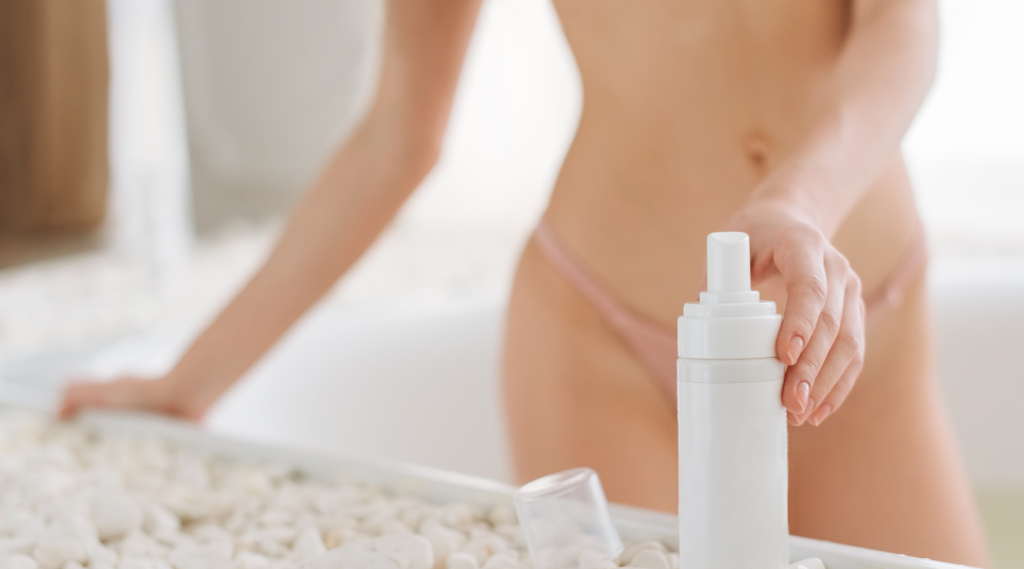
The intimate area has a sensitive natural ecosystem. Using products that are not formulated for this area, the balance may be disturbed, leading to irritation or infection.
1. Fragrances and Perfumes
Most regular soaps contain fragrances to make them smell pleasant. Unfortunately, these ingredients can trigger allergic reactions and irritation, especially on the sensitive skin of the genital area.
Common symptoms include:
- itching or burning;
- irritation or rash;
- changes in discharge;
- pain during urination or intercourse.
2. Strong Surfactants
Cleansing agents like sodium lauryl sulfate (SLS) strip the skin of its natural oils. In the intimate area, they can:
- remove natural moisture;
- cause dryness, stinging, or cracking;
- damage the skin barrier, making it easier for bacteria to enter.
3. Disruption of Vaginal pH and Natural Flora
Harsh chemicals in regular soap may:
- raise vaginal pH;
- reduce beneficial bacteria;
- increase the risk of yeast infections and bacterial vaginosis.
4. Potential Allergens and Sensitivity Triggers
Besides fragrance, many soaps contain alcohol, dyes, and synthetic ingredients that may cause:
- redness;
- burning sensation;
- persistent discomfort or rash.
Safer Alternatives for Feminine Hygiene
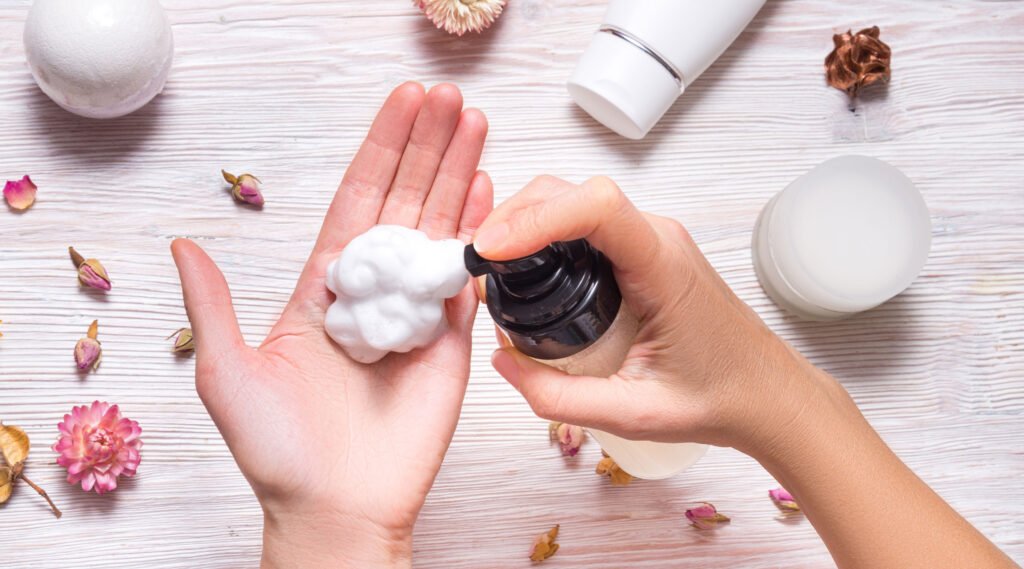
You may wonder, “Do I really need a feminine cleanser?”
The answer: not necessarily, because the vagina can clean itself.
However, if you want to cleanse the external area (the vulva), you may use a gentle and safe product.
1. Avoid Regular Soap
Most body soaps are alkaline and contain fragrance, dyes, and strong cleaning agents. These ingredients can irritate the intimate area and disrupt its natural pH. Avoid scented or antibacterial soaps for vulvar cleansing.
2. Choose a Gentle, Intimate-Friendly Cleanser
Use products specifically formulated for the intimate area. Unlike regular soap, feminine cleansers are designed to support the natural microbiome. Look for:
- Balanced pH (3.5–4.5)
- Free from sulfates, parabens, alcohol, and synthetic fragrances
- Gentle formulas that do not strip natural protective oils
3. Benefits of Properly Formulated Intimate Cleansers
A balanced, gentle feminine wash can help:
- Maintain natural microbiota
- Keep the vulvar skin moisturized and irritation-free
- Reduce the risk of bacterial vaginosis and recurrent yeast infections
Remember: intimate cleansers are only for the external area (the vulva).
The vagina itself does not need to be washed with soap, sprayed, or perfumed, as it already has an effective self-cleaning system.
References
Healthline. Accessed in 2025. How to Clean Your Vagina and Vulva.
PubMed Central. Accessed in 2025. Feminine Intimate Hygiene: A Review of Healthy and Unhealthy Habits in Women.
Verywell Health. Accessed in 2025. Do You Really Need to Use a ‘Feminine Wash?’
Women Wellness. Accessed in 2025. How to clean your ‘lady parts’.




Leave feedback about this