
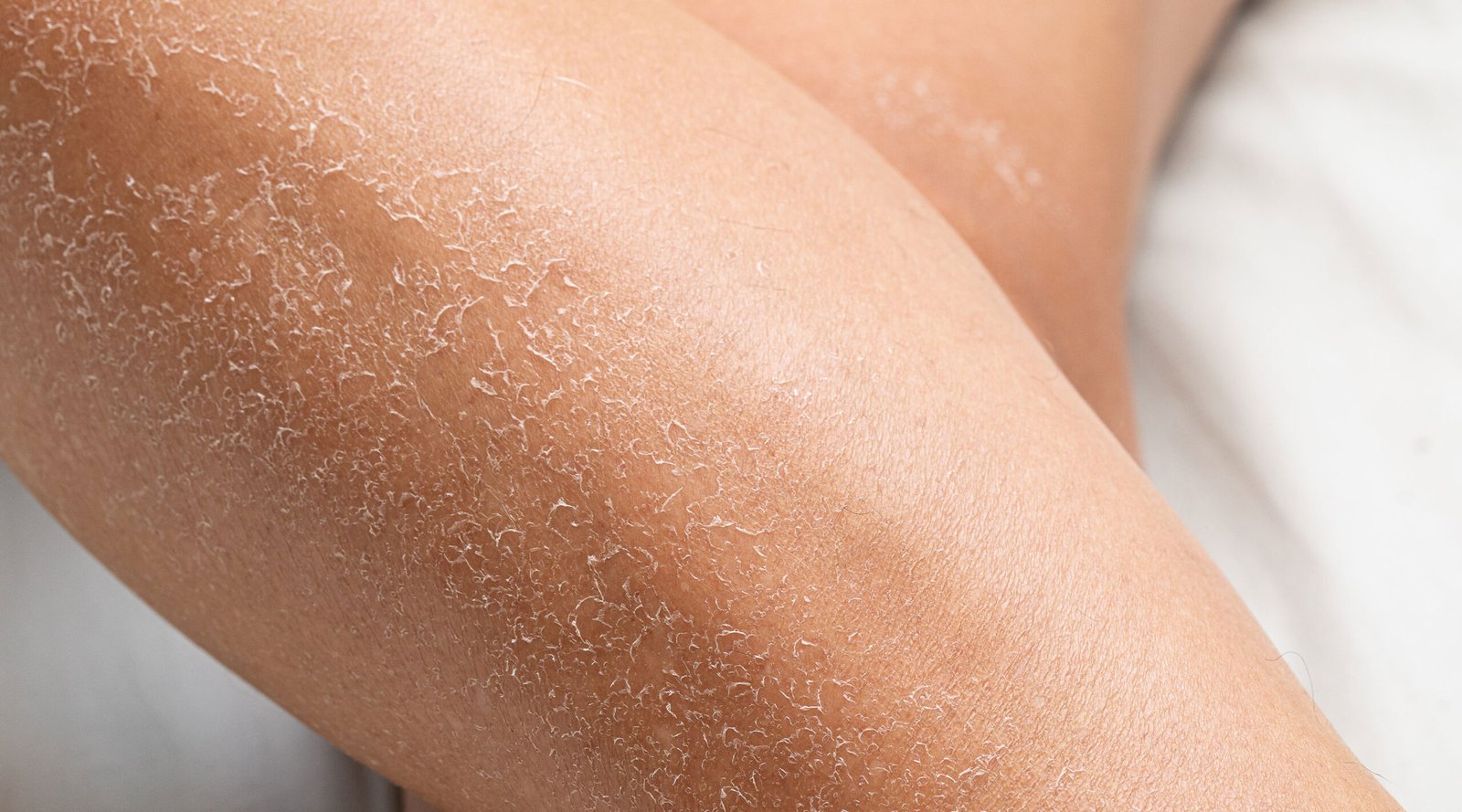
Dry skin is often accompanied by itching and discomfort. This condition can affect people of all ages, especially those living in cold, low-humidity climates.
Dry skin occurs when moisture levels in the skin layers decrease. Common contributing factors include excessive sun exposure, frequent bathing, use of unsuitable soaps, genetic factors, and the natural aging process.
Dry skin can appear on various parts of the body, particularly the hands, feet, elbows, and face. In some instances, severely dry skin is more susceptible to irritation, cracking, and wounds.
What Is Dry Skin?
Dry skin is a condition in which the skin does not produce enough sebum, the natural oil produced by the sebaceous glands.
Sebum works together with the natural moisturizing factor (NMF) to maintain skin hydration.
When sebum and NMF production decrease, the skin’s balance is disrupted. As a result, the skin becomes more vulnerable to external aggressors such as dry air, pollution, and chemicals, and experiences increased water loss.
This is why dry skin often feels rough, tight, and prone to dehydration.
To check whether you have dry skin, you can try a simple test. Gently run your fingernail across the surface of your skin. Avoid pressing or scratching too hard to prevent injury.
If the mark appears white, looks flaky, or the skin seems dry and cracked, this may indicate that your skin tends to be dry.
Signs of Dry Skin
1. Dehydration
Severely dry skin has lost significant moisture and may appear dehydrated. Common signs include tightness, more visible fine lines, and itching.
2. Flaking and Rough Texture
When skin moisture decreases, the outermost layer of the skin cannot retain skin cells properly. As a result, the skin begins to flake and feels rough to the touch.
3. Skin Cracks
Dry skin tends to shrink. This shrinkage can lead to cracks, which in some cases may become deep enough to cause bleeding.
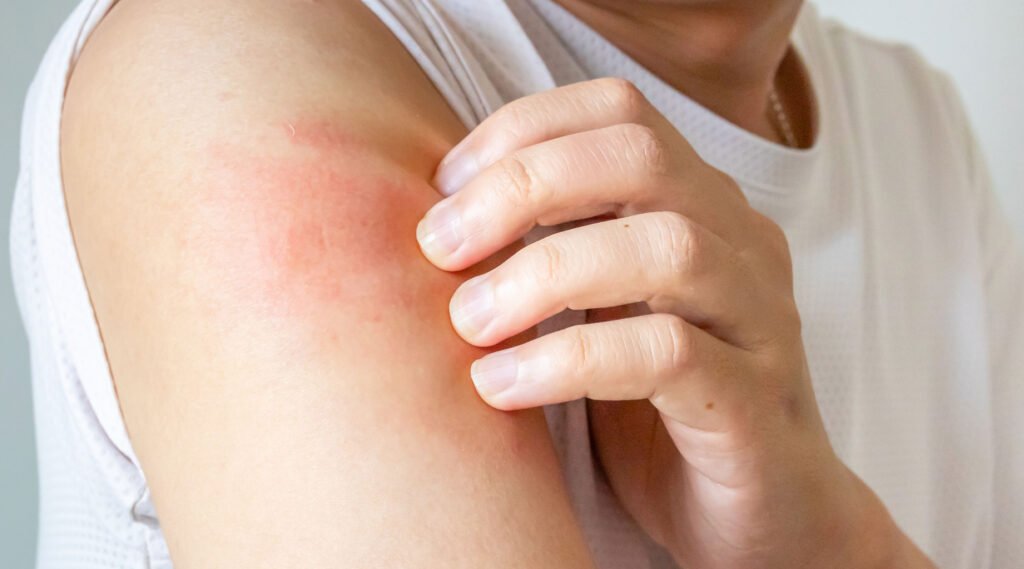
4. Persistent Itching
In dehydrated skin, itching may occur almost constantly. This condition can interfere with daily activities and reduce quality of life.
5. Pain, Stinging, or Burning Sensations
Dry, cracked, or chafed skin often feels painful. Even mild exposure, such as contact with water, can cause stinging or burning sensations, especially in cold and dry environments.
6. Wrinkled, Rough, and Loose-Looking Skin
Significant moisture loss causes the skin to appear wrinkled and feel coarse. With aging, this condition may worsen, leading to sagging skin.
7. Increased Risk of Skin Infections
Dehydrated skin damages the outer protective barrier, allowing germs to enter more easily and cause infection. Signs of skin infection include:
- yellowish crusts,
- pus or fluid discharge,
- swelling and changes in skin color.
8. Excessive Skin Peeling
Naturally, the skin continuously renews itself by shedding dead skin cells. However, in very dry skin, this process becomes excessive, making peeling more noticeable.
Why Is Dry Skin So Sensitive?
One of the most common effects of severely dry skin is a weakened skin barrier, which makes the skin prone to cracking and even bleeding.
This happens because the skin loses its elasticity when it lacks moisture, making it more likely to split when stretched or subjected to pressure.
In the early stages, the skin may appear red and develop fine cracks, resembling the crackled pattern seen on antique porcelain.
These cracks often follow the skin’s natural lines, making the surface feel rough or uneven.
Over time, the cracks can deepen, forming visible gaps in the skin and becoming accompanied by scaling or peeling.
If these cracks progress into open wounds or ulcers, the skin loses its natural protective function. As a result, germs can more easily enter the body, increasing the risk of infection.
How to Manage Dry Skin

1. Apply Emollients
Use cream- or ointment-based emollients to replace the skin’s lost natural lipids. Emollients help repair the skin barrier, protect the skin surface, and lock in moisture to prevent evaporation.
If you have acne-prone skin, avoid products that are too greasy, as they can clog pores and trigger breakouts.
Choose lightweight, non-comedogenic moisturizers. For the face, avoid heavy ointments such as petroleum jelly.
2. Care for Cuticles and Fingertips
Dry skin on the hands and fingertips is prevalent, especially in people who frequently wash their hands or are exposed to chemicals. Apply moisturizer regularly to the cuticles and between the fingers to prevent cracking and minor wounds.
3. Avoid Irritation Triggers
Prolonged hot showers can strip the skin of its natural oils. Limit bathing time and use lukewarm water rather than hot.
Choose non-soap cleansers made with synthetic surfactants and free from harsh surfactants such as sodium lauryl sulfate (SLS), as these ingredients can damage the skin barrier.
4. Limit The Use of Alcohol-Based Hand Sanitizers
Excessive use of alcohol-based hand sanitizers can worsen dry skin. When possible, wash your hands with a non-soap cleanser and apply moisturizer immediately afterward.
Stop using any product that causes stinging, irritation, or rashes.
References
Cleveland Clinic. Accessed in 2025. Dry Skin.
News-Medical Life Science. Accessed in 2025. Effects of Dry Skin.
NHS. Accessed in 2025. Itchy Skin.






Leave feedback about this