
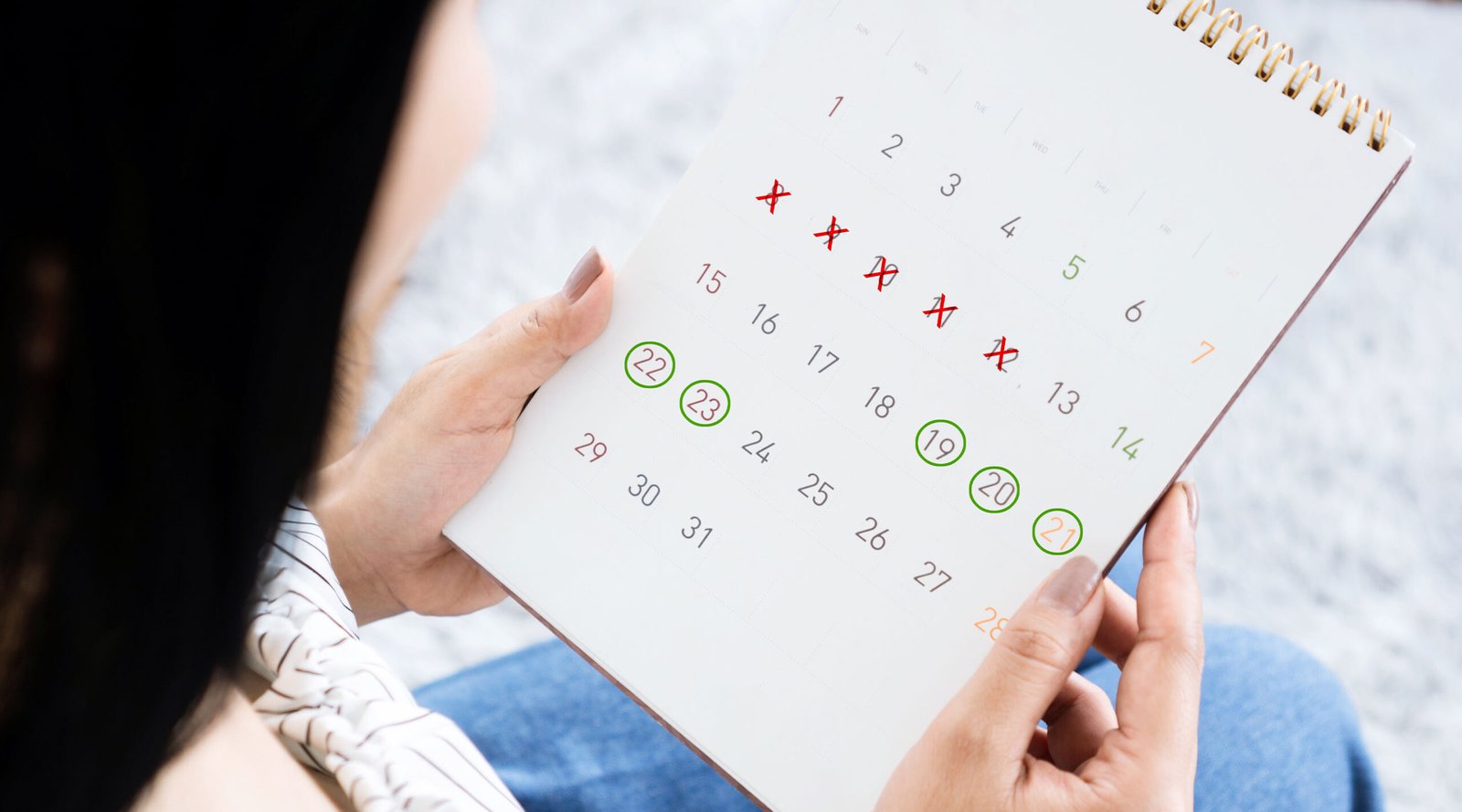
A woman’s menstrual cycle is a natural yet complex monthly biological process that supports reproductive function.
Although common, each woman experiences a unique pattern depending on her body’s condition.
The menstrual cycle is calculated from the first day of menstrual bleeding until the day before the next period begins.
On average, it lasts around 28 days, but normal variations differ widely among individuals.
In teenagers, cycles are often longer and irregular, sometimes lasting up to 45 days. In women in their 20s to 30s, the cycle tends to become more regular, typically ranging from 21 to 38 days.
Stages of the Menstrual Cycle and Changes in Vaginal pH
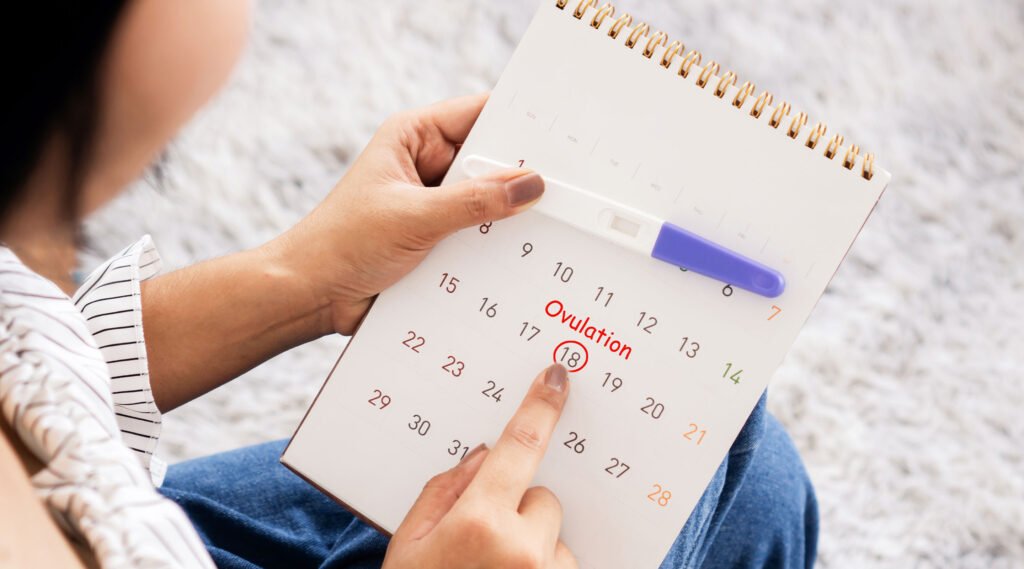
The menstrual cycle has four phases. Each phase brings hormonal changes that also affect the intimate area, including variations in vaginal pH.
1. Menstruation (Period)
During this phase, the uterine lining sheds and exits through the vagina, releasing blood, mucus, and tissue. Menstruation typically lasts between 3–7 days.
During this time, vaginal pH tends to increase or become slightly more alkaline due to menstrual blood.
As a result, the intimate area may feel less comfortable or more prone to irritation and infection. Extra cleansing and the use of gentle cleansers are important during this phase.
2. Follicular Phase
The follicular phase begins on the first day of menstruation and lasts about 13–14 days. Hormones begin preparing the uterine lining and maturing ovarian follicles; usually, only one will develop into an egg.
In this phase, vaginal pH decreases and becomes more acidic again—an ideal environment for maintaining healthy flora and protecting the intimate area from harmful bacteria.
3. Ovulation
Ovulation occurs when a mature egg is released from the ovary, usually about two weeks before the next period.
This is the most fertile period, increasing the chances of pregnancy if sexual intercourse occurs without protection.
During ovulation, the body produces clearer, slippery mucus in the cervix. Vaginal pH increases slightly, creating a more supportive environment for sperm survival.
4. Luteal Phase
After ovulation, the egg travels toward the uterus while the uterine lining continues to thicken in preparation for possible pregnancy.
If pregnancy occurs, the cycle pauses, and menstruation does not happen. If not, hormone levels decrease and the next period begins.
In the luteal phase, vaginal pH usually returns to a more acidic state. However, some women may experience symptoms such as discharge, skin sensitivity, or discomfort due to hormonal changes before menstruation.
How to Care for the Intimate Area in Each Hormonal Phase
1. Menstruation
During your period, the intimate area tends to be more sensitive. Choose gentle, feminine cleansers with a balanced pH to help maintain a healthy vaginal microbiome.
Avoid regular body soaps, perfumes, or scented products that may cause stinging or irritation.
- Change pads or tampons regularly to keep the area clean and dry.
- If using a menstrual cup, wash and rinse it thoroughly before reinserting.
- Alcohol-free feminine wipes can also help maintain freshness during busy, active days.
2. Follicular Phase
In this phase, estrogen levels rise and vaginal microbiota usually begin to stabilize. This is a great time to support intimate health with soothing and skin-friendly products.
- Avoid douching as it disrupts the vagina’s natural flora.
- If you exercise regularly, change clothes immediately after sweating.
- Choose breathable cotton underwear to prevent moisture buildup that can trigger bacterial growth.
3. Ovulation
An increase in cervical mucus and discharge is normal during ovulation, as the body is at peak fertility.
- Choose underwear that absorbs moisture and change it if it feels damp to prevent irritation.
- A slightly stronger scent can be normal; however, if discharge changes in texture or color, consult a doctor.
- Intimate care products containing lactic acid or natural protective ingredients can help support healthy vaginal flora in this phase.
4. Luteal Phase
Before menstruation, some women may experience dryness or sensitivity in the intimate area due to hormonal shifts.
- Use genital-safe moisturizers to maintain comfort and prevent irritation and itching.
- If you tend to be more prone to infections during this phase, choose intimate cleansers that help maintain the balance of vaginal flora.
- Avoid overly tight clothing and opt for soft, breathable fabrics to reduce friction.
Listen to Your Body
The body changes continuously throughout the menstrual cycle. By understanding each phase and responding to your body’s needs with mindful intimate care, you can feel more balanced and comfortable every month.
References
Better Health. Accessed in 2025. The menstrual cycle.
Gynea. Accessed in 2025. Take care of your intimate hygiene based on your phase of the cycle





Leave feedback about this