

The vaginal microbiome has recently become a popular topic on social media. Many products claim to “support vaginal flora” or “restore the vagina’s natural environment.”
But are these claims truly necessary, or even effective?
Before following intimate care trends, it is important to understand how the vagina naturally functions.
The Vagina Has a Natural Defense System
Maintaining vaginal health is often perceived as complicated. In reality, the female body is equipped with natural mechanisms to clean and protect the intimate area.
The vagina is self-cleaning. Meanwhile, the vulva, the external part of the intimate area, only needs to be gently cleansed with water and a mild, fragrance-free soap.
Excessive care can actually disrupt the area’s natural balance.
What Is the Vaginal Microbiome?
Like the gut, the vagina has its own ecosystem of microorganisms known as the vaginal microbiome.
This ecosystem consists of hundreds of species of bacteria, fungi, and viruses that interact with one another, compete for nutrients, and help maintain a stable vaginal environment.
Unfortunately, the vaginal microbiome often receives less attention than the gut microbiome, even though its role in overall health is just as important.
The Essential Role of Lactobacillus in Vaginal Health
Among the many microorganisms living in the vagina, Lactobacillus plays a dominant role.
In a healthy state, these beneficial bacteria can account for up to 80% of the vaginal microbiome.
Lactobacillus is often described as the vagina’s “security guard” because of its ability to:
- maintain an optimal vaginal acidity (pH);
- inhibit the growth of harmful bacteria; and
- reduce the risk of infection.
Balanced Lactobacillus levels are also associated with a lower risk of infertility, miscarriage, preterm birth, and even cervical cancer.
What Happens When the Vaginal Microbiome Is Disrupted?
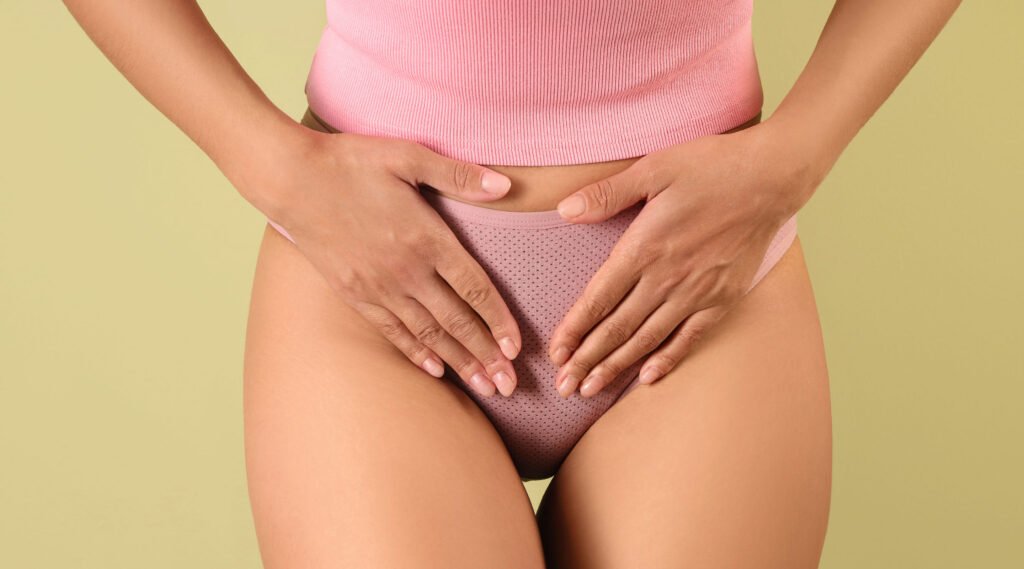
When the balance of the vaginal microbiome is disturbed, and Lactobacillus levels decline, the risk of various health problems increases, including:
- bacterial vaginosis;
- urinary tract infections; and
- recurrent intimate infections.
Women with low Lactobacillus levels are also known to be more susceptible to HPV infection, the primary cause of cervical and vaginal cancers.
Factors That Can Disrupt the Vaginal Microbiome
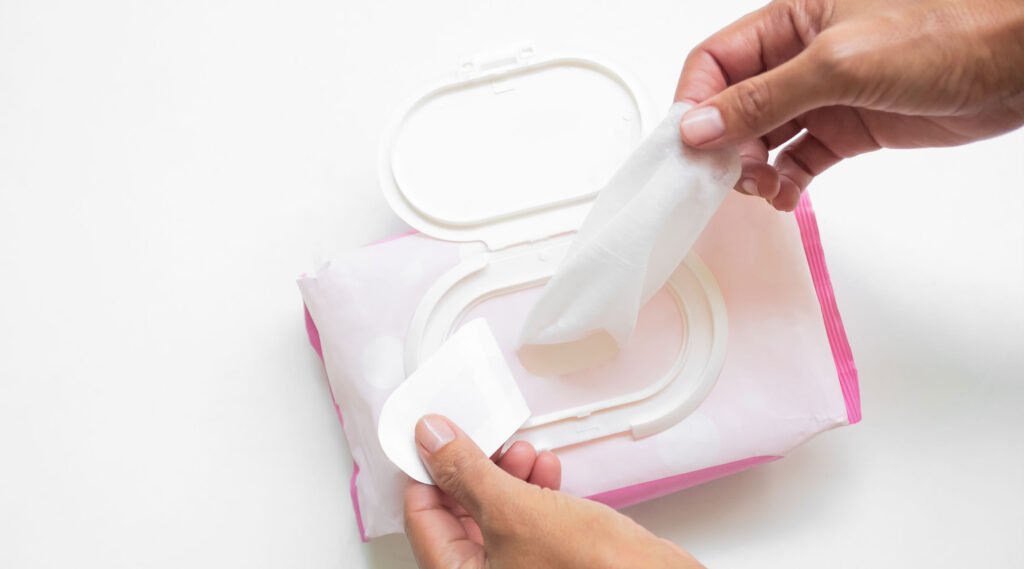
Although the vaginal microbiome is designed to protect itself, it is highly sensitive to everyday factors.
Seemingly harmless habits can shift the balance of beneficial bacteria, increasing the risk of intimate health issues.
Some of the most common disruptors include:
1. Douching (Internal Vaginal Cleansing)
Cleaning the inside of the vagina with liquids or pressurized water (douching) can disrupt the natural balance of the vaginal microbiome.
This practice involves inserting fluids into the vagina to eliminate odor or discharge.
Rather than improving health, douching has been linked to:
- an increased risk of bacterial vaginosis (BV);
- preterm birth; and
- pelvic inflammatory disease (PID), which can lead to infertility.
The vagina does not require internal cleansing, as it has its own natural self-cleaning mechanism.
2. Feminine Hygiene Products
Products such as intimate washes, sprays, or feminine wipes are often marketed as hygiene solutions.
However, many contain ingredients that can harm the delicate microbial ecosystem.
Using these products, especially inside or around the genital area, may:
- increase the risk of bacterial vaginosis;
- trigger urinary tract infections; and
- raise the risk of sexually transmitted infections.
Research shows that certain cleansing products can reduce Lactobacillus levels, the primary beneficial bacteria in the vaginal microbiome.
3. Antibiotics
Antibiotics are essential medications, but they can disrupt the vaginal microbiome by killing both harmful and beneficial bacteria.
Using antibiotics for conditions such as sore throat or sinus infections may lower Lactobacillus levels, creating an environment where harmful bacteria or fungi can grow more easily.
4. Hormonal Changes
Hormones, especially estrogen, play a major role in maintaining vaginal microbiome balance.
This is why hormonal changes during puberty, pregnancy, breastfeeding, and menopause can affect bacterial composition.
Low estrogen levels are often associated with vaginal dryness and increased pH, making it harder for beneficial bacteria to survive.
During menstruation, menstrual blood can temporarily raise vaginal pH. In some women, this causes odor or discomfort around their period.
5. Sexual Activity
Sexual intercourse can temporarily increase vaginal pH, potentially disrupting microbiome balance.
New sexual partners or unprotected sex may also introduce unfamiliar bacteria.
6. Stress
Chronic stress affects not only mental health but also immune function and hormonal balance.
These changes can indirectly influence the vaginal microbiome and increase susceptibility to infection.
7. Clothing Choices
Tight clothing or fabrics that do not absorb sweat can create a warm, moist environment in the intimate area—conditions that favor the growth of unwanted bacteria and fungi.
8. Lubricants and Spermicides
Some lubricants can alter vaginal pH or contain ingredients that irritate vaginal tissue. Spermicides such as nonoxynol-9 can also disrupt healthy bacteria, increasing the risk of irritation.
Maintaining Vaginal Microbiome Balance Long Term
Understanding the factors that disrupt the vaginal microbiome helps prevent unnecessary triggers and supports wiser choices.
The vaginal microbiome is a complex yet delicate system that plays a vital role in comfort, fertility, pregnancy, and overall health.
While many factors can disturb its balance, healthy daily habits can help maintain stability.
By choosing gentle care, paying attention to bodily signals, managing stress, and attending regular health check-ups, you can support intimate health naturally and mindfully.
References
BBC. Accessed in 2026. How Bacteria in the Vagina Can Improve Health.
PubMed Central. Accessed in 2026. The Vaginal Microbiome in Health and Disease—What Role Do Common Intimate Hygiene Practices Play?
Raleighob. Accessed in 2026. The Vaginal Microbiome: How to Support It Naturally.




Leave feedback about this