
Vaginal myths about intimate hygiene are still widely believed, even though maintaining proper vaginal care is an essential part of women’s overall health.
However, the overwhelming amount of information available online—combined with the wide variety of feminine hygiene products on the market—often makes it difficult to distinguish facts from myths.
Instead of making the vagina healthier, some practices commonly believed to be “correct” can actually disrupt its natural balance.
To avoid misinformation, let’s take a closer look at some common myths and facts about vaginal hygiene.
Myth 1: The Vagina Should Smell Like Flowers
Fact
Every vagina has its own natural scent. This scent can change throughout the menstrual cycle and is influenced by hormones, diet, physical activity, and stress levels.
A slightly musky or mild metallic scent is normal and often a sign of a healthy vagina.
Trying to mask the vagina’s natural scent with perfumes, sprays, or fragranced products can cause irritation and disrupt the vaginal pH balance.
However, if there is a very strong, fishy, or foul odor, especially when accompanied by itching, burning, or changes in vaginal discharge, it is not a sign of poor hygiene. It may indicate an infection, and medical consultation is strongly recommended.
Myth 2: Douching or Vaginal Cleansers Make the Vagina Cleaner
Fact
The vagina is a self-cleaning organ. It has a natural microbiome dominated by beneficial bacteria, especially Lactobacillus, which helps maintain an acidic pH. This environment acts as a natural defense against harmful bacteria and fungi.
Using douches or internal vaginal cleansers can remove these beneficial bacteria, increasing the risk of infection.
What actually needs regular cleaning is the vulva (the external genital area). Cleaning the vulva with warm water is sufficient. If necessary, a mild, fragrance-free cleanser can be used.
Myth 3: Shaving Pubic Hair is More Hygienic
Fact
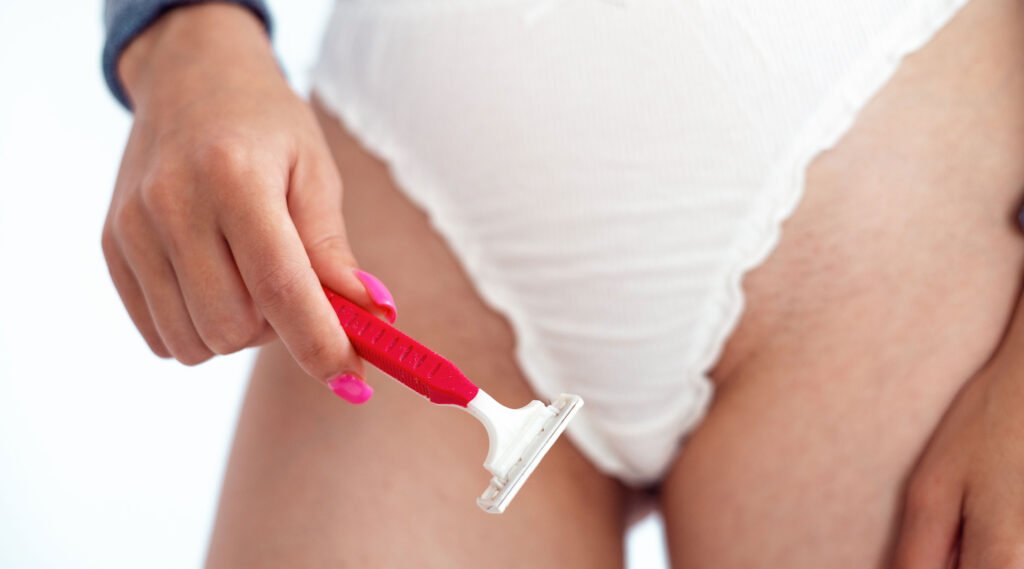
Pubic hair serves a protective function. It helps reduce friction, protects sensitive skin, and prevents dirt or pathogens from directly entering the vaginal area.
Completely shaving or removing pubic hair can increase the risk of irritation, cuts, ingrown hairs, and infection. Trimming is acceptable, as long as it is done safely and does not cause skin injury.
Myth 4: All Vaginal Discharge is a Sign of Infection
Fact
Vaginal discharge is normal and plays an important role in keeping the vagina moist, clearing away dead cells, and protecting against infection.
Discharge characteristics can change throughout the menstrual cycle. Early in the cycle, it is usually thin and slightly sticky. Around ovulation, it often becomes more elastic and resembles raw egg white.
Healthy discharge typically has no strong odor, is not unusually colored, and does not cause discomfort.
Significant changes in color, smell, or consistency may indicate an infection and should be evaluated by a healthcare professional.
Myth 5: “pH-balancing” Soaps are Always Necessary
Fact
Many feminine hygiene products claim to balance vaginal pH. In reality, a healthy vagina can regulate its own pH through its natural microbiome.
Using fragranced soaps, harsh cleansers, or internal vaginal washes can disrupt this balance, remove beneficial bacteria, and increase the risk of bacterial vaginosis or yeast infections.
***
Maintaining intimate hygiene is important, but it must be done correctly. The vagina does not require excessive treatment or special products to stay healthy. It is naturally designed to clean itself through normal secretions.
What you can do is gently cleanse the vulva, choose breathable cotton underwear, and avoid fragranced or harsh cleansing products.
By understanding how the body works naturally, you can care for your vaginal health more wisely without myths and without overdoing it.
References
Ascensus Health. Accessed in 2026. 6 Common Misconceptions about Feminine Hygiene.
Doral Health and Wellness. Accessed in 2026. 8+ Common Vaginal Health Myths Debunked: Stop Believing These Harmful Lies.
Dr. Manu’s Gynaecology Clinic. Accessed in 2026. Vaginal Health Myths Debunked: What Works and What’s Risky in 2025.





Leave feedback about this