

Intimate area health is often misunderstood. Many people believe that a healthy intimate area should be white. But is that really true?
Darkening of the intimate area—such as the groin, inner thighs, and armpits—is a prevalent condition. Many people experience it, and in most cases, it is not related to any serious health problem.
Changes in skin color in the intimate area, also known as hyperpigmentation, can occur due to various factors, including repeated friction, hormonal changes, aging, pregnancy, and certain skin conditions.
This raises an important question: Does the intimate area really need to be white?
The answer is no. A healthy intimate area is not defined by its color, but by its cleanliness, comfort, and overall health.
Commonly Used Methods and Their Risks
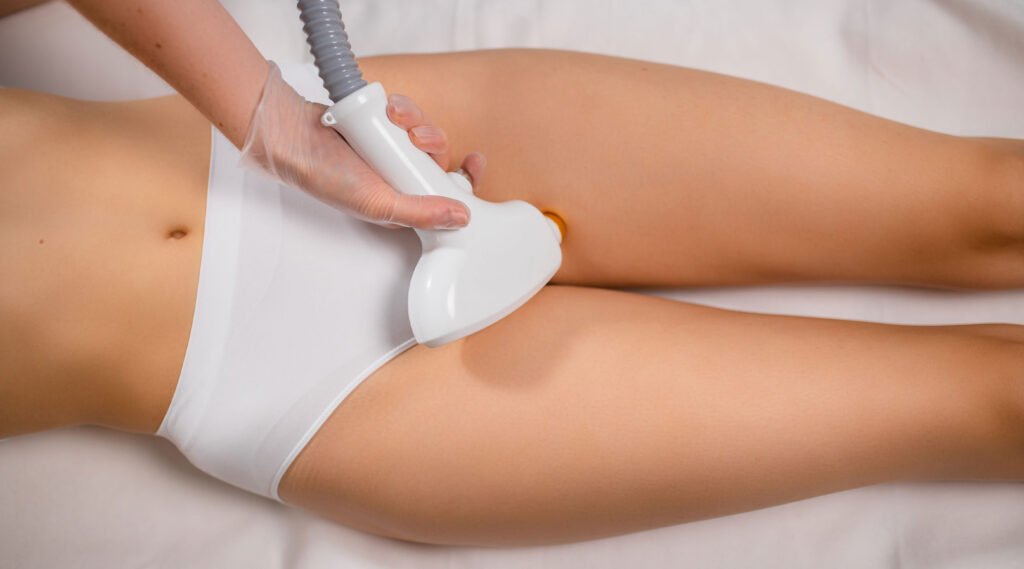
Some methods often used to lighten the intimate area include:
- certain cosmetic creams;
- chemical exfoliation;
- laser treatments;
- specialized mesotherapy products.
However, their effectiveness and safety can vary from person to person. The intimate area is sensitive, and choosing the wrong method may lead to irritation, infection, or uneven skin discoloration.
Is Darker Vulvar Skin Normal?
Yes. It is normal.
Darker skin on the vulva is not a sign of poor hygiene or a health problem.
As long as it is not accompanied by symptoms such as itching, pain, unpleasant odor, or abnormal vaginal discharge, darker skin is not a cause for concern.
What Matters More Than Color: Intimate Health
To date, there are no proven health benefits to whitening the intimate area. In some cases, skin lightening may improve self-confidence, but the top priority should always be:
- maintaining intimate hygiene;
- choosing gentle and safe products;
- keeping the skin moisturized;
- avoiding irritation and excessive friction.
Ultimately, a healthy, clean, and comfortable intimate area is far more critical than simply appearing white.
How to Care for the Intimate Area to Keep It Healthy and Comfortable
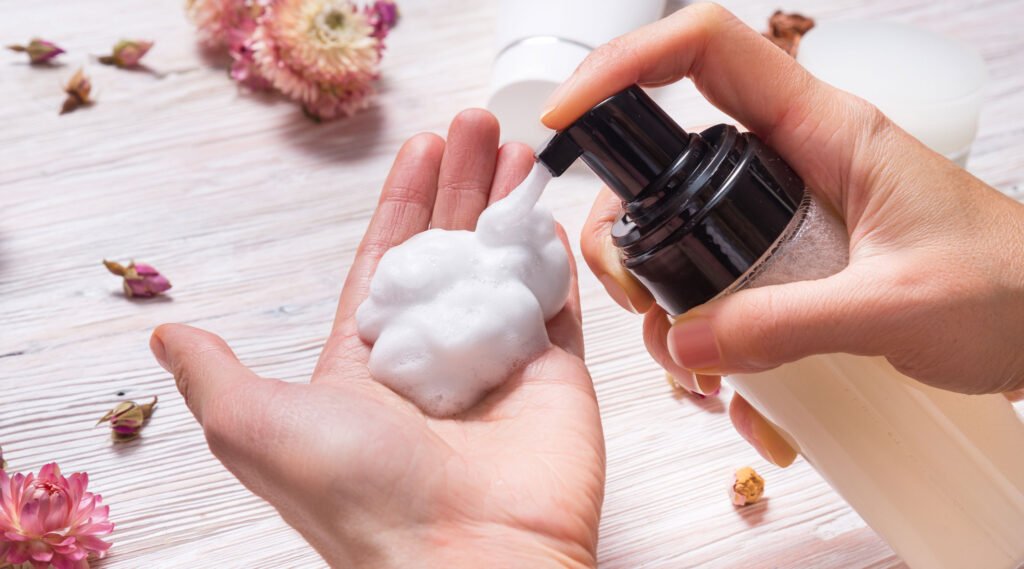
Maintaining intimate health does not require complicated treatments or excessive use of special products. Simple and consistent care is key to preventing irritation, infection, and discomfort.
1. Clean Gently
Use clean water or a fragrance-free, pH-balanced cleanser explicitly designed for intimate care. Avoid regular body soap, as it can disrupt the natural pH balance and normal flora of the intimate area.
Clean only the external area (the vulva). The inside of the vagina does not need—and should not be—cleaned, as it has a natural self-cleansing mechanism.
2. Dry the Intimate Area Properly
Moist environments encourage the growth of bacteria and fungi. After bathing or using the toilet:
- dry the area with a clean, soft towel,
- gently pat, do not rub,
- Make sure the area is dry before putting on underwear.
3. Choose the Right Underwear
Wear cotton underwear that absorbs sweat and is not too tight. Avoid wearing tight pants for long periods, as they increase friction and moisture, which can lead to irritation and skin rashes.
4. Change Underwear Regularly
Change your underwear immediately if it feels damp, sweaty, or after exercising. This simple habit plays a crucial role in keeping the intimate area dry and healthy.
5. Avoid Products with “Whitening” Claims
Products that claim to whiten or lighten the intimate area often contain ingredients that are too harsh for sensitive skin, such as high levels of alcohol or potent exfoliating agents.
Instead of focusing on skin color, choose products that emphasize comfort, hydration, and skin protection.
6. Reduce Excessive Friction
Repeated friction can cause skin irritation and darkening. If you are physically active or sweat easily:
- Use a moisturizer or barrier cream on skin folds,
- Maintain a healthy body weight to reduce skin-on-skin friction.
7. Recognize Signs of an Unhealthy Intimate Area
Consult a healthcare professional if you experience:
- persistent itching;
- pain or burning sensations;
- unpleasant odor;
- changes in the color, texture, or amount of vaginal discharge;
- sores or rashes that do not improve.
Changes in skin color alone are not dangerous, but accompanying symptoms should not be ignored.
A healthy intimate area is defined not by its color, but by cleanliness, pH balance, and daily comfort.
With proper and simple care, intimate health can be maintained without unnecessary interventions.
References
Healthline. Accessed in 2025. Vaginal Bleaching.
Medical News Today. Accessed in 2025. Vaginal Bleaching.




Leave feedback about this