
Understanding Minor Burns
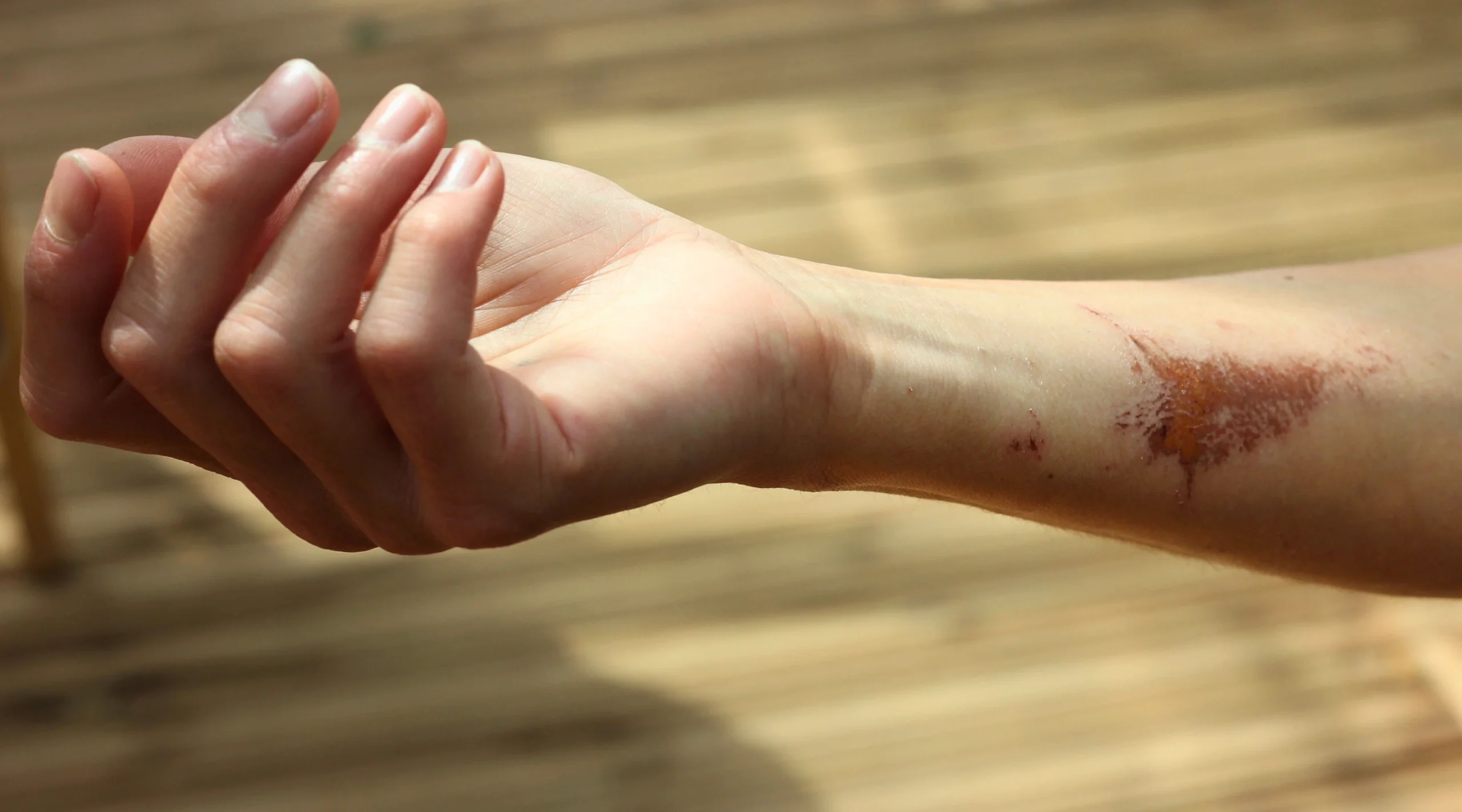
Minor burns can happen in a flash, whether it’s from hot water, steam, cooking oil, or touching a hot surface. The good news is most minor burns can be safely treated at home with the right care.
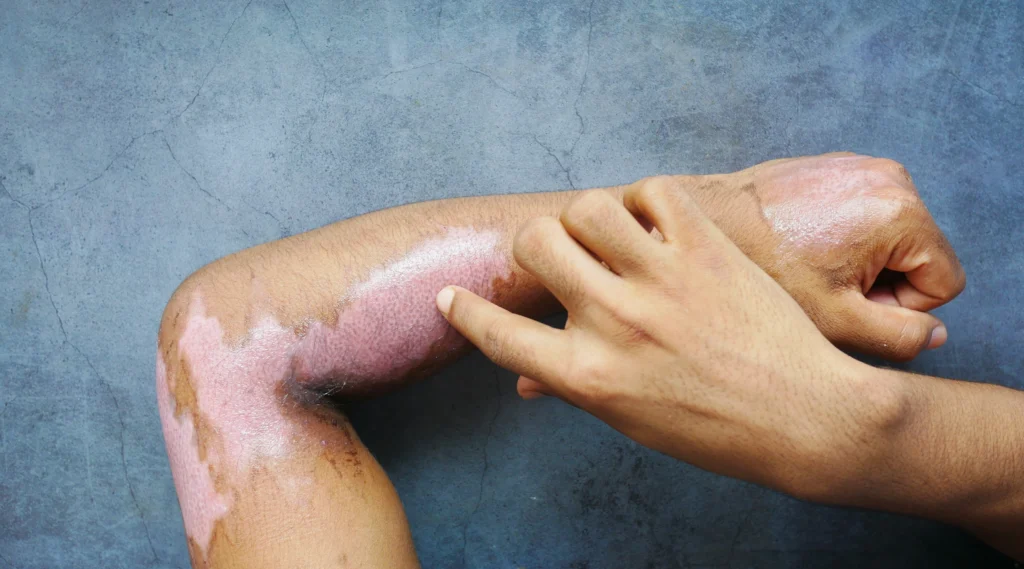
These burns usually cause redness, pain, and slight swelling, but don’t go deep enough to cause blistering or serious skin damage. Still, they deserve proper attention to promote healing and avoid complications.
First Things First: What to Do Immediately
Cool the Burn
Run cool (not icy!) clean water over the burn area for 10–15 minutes. This helps reduce heat and soothes the skin.
Cooling a burn within the first hour can significantly reduce its depth and severity (NHS, 2022).
Gently Clean the Area
Once the area has cooled down, gently wash it with mild soap and clean water. Pat dry with a soft towel, don’t rub, as the skin is already fragile.
Use a Safe, Non-Stinging Product
Opt for wound care with non-cytotoxic ingredients, like hypochlorous acid (HOCl). This natural molecule supports skin recovery, keeps the wound moist, and won’t cause a stinging sensation—perfect for delicate or irritated skin!
What NOT to Use on a Burn
Some home remedies might sound helpful but actually make things worse. Here’s what to avoid on fresh burns:
- Toothpaste: Can trap heat and bacteria instead of calming the burn.
- Butter or oil: These can worsen heat retention and increase infection risk.
- Alcohol or povidone iodine: While antiseptic, they’re too harsh and can damage healthy skin tissue.

When to See a Doctor
Even if it seems minor, burns still need medical attention in certain situations. Get help if:
- The burn is larger than the size of your palm
- It’s on sensitive areas like the face, hands, genitals, or joints
- There are signs of infection (pus, increasing redness, or worsening pain)
- The patient is a baby, child, or elderly person
Burn Care Can Be Simple and Effective
With the right steps, minor burns can be managed safely at home. Start with cooling, gentle cleaning, and using skin-friendly products like hypochlorous acid-based care.
Avoid risky home remedies, keep the burn area clean, and focus on comfort and skin protection. When in doubt, never hesitate to reach out to a medical professional.
References
NHS. (2022). Burns and Scalds — Treatment.
First Aid Kits UK. (2025). First Aid for Burns and Scalds.


Leave feedback about this