
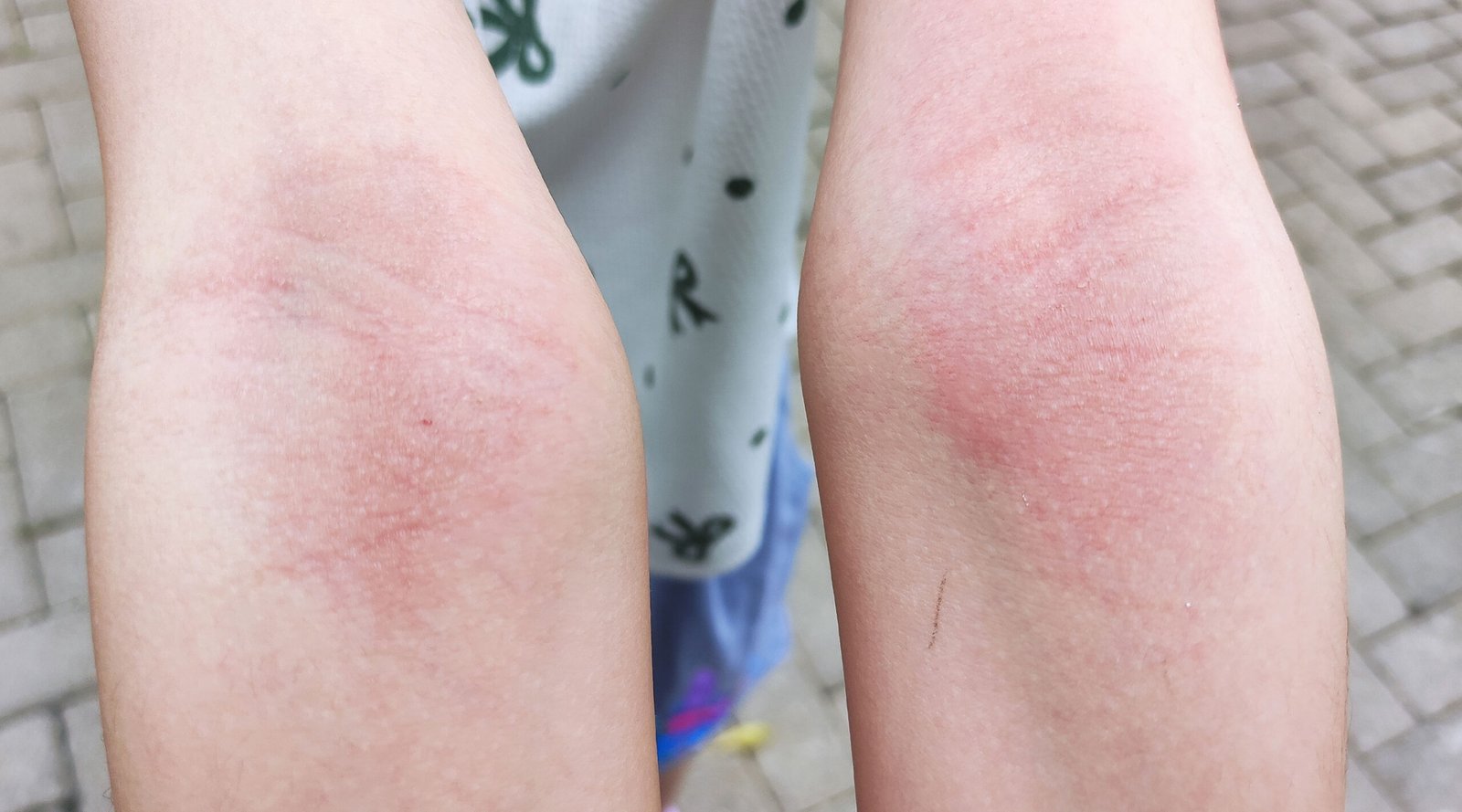
Intertrigo is common in people living in tropical climates. High temperatures and humidity create ideal conditions for skin irritation, especially in areas where the skin folds.
These rashes most often appear in areas prone to sweating and friction, such as the groin, buttocks, inner thighs, armpits, between the fingers, and the neck.
Intertrigo develops when moist, covered skin is repeatedly rubbed. Trapped sweat, poor air circulation, and the growth of bacteria or fungi can worsen the condition.
As a result, the skin may become red, sore, itchy, and even painful to the touch.
For this reason, prevention is essential to reduce the risk of skin-fold rashes recurring or becoming more severe.
Who Is at Higher Risk of Intertrigo?
Intertrigo can affect anyone, but the risk is higher in people with certain conditions. These factors are generally related to excessive moisture, skin friction, and difficulty maintaining hygiene in skin folds.
People with obesity are among those most commonly affected by intertrigo. Having more skin folds makes it easier for sweat to become trapped and harder to avoid skin-to-skin friction.
In addition, some individuals with obesity may have difficulty reaching and properly caring for specific skin folds, which can allow moisture to persist and trigger irritation.
People with diabetes are also at higher risk of developing intertrigo. This is often associated with increased sweating, mainly when blood sugar levels are poorly controlled.
Chronic hyperglycemia can alter the skin’s surface pH, creating a more favorable environment for bacterial and fungal growth.
As a result, intertrigo in people with diabetes is more likely to be accompanied by infection and may be harder to heal.
Meanwhile, individuals with urinary and/or fecal incontinence are also prone to intertrigo.
Exposure to urine or stool in underwear creates a warm, moist environment in skin folds—conditions that strongly promote skin irritation and secondary infections.
Because of this, high-risk groups need to pay extra attention to hygiene, moisture control, and proper skin-fold care to prevent intertrigo from recurring or worsening.
Causes of Rashes and Friction in Skin Folds

Moisture from sweat causes the skin in fold areas to stick together. This damp environment increases friction between skin surfaces, potentially damaging the skin barrier.
Once the skin barrier is compromised, bacteria and fungi can multiply more easily. When these microorganisms grow excessively, the immune system responds with inflammation.
This inflammatory reaction leads to rashes, redness, burning sensations, and itching in skin folds.
In more severe cases, bacterial or fungal overgrowth can result in secondary infections.
The rash may appear more intensely red, moist, foul-smelling, and painful, requiring more intensive treatment.
How to Keep Skin Folds Dry

If left untreated, intertrigo can progress into an infection. Therefore, the primary preventive strategy is to keep skin folds dry, clean, and calm.
Here are some simple daily steps you can take:
Dry Your Body Properly After Bathing
Use a clean towel and gently pat—rather than rub—skin folds to avoid irritation.
Use Air to Help Dry The Skin
A fan or a hair dryer set to cool air can be used on skin folds several times a day, especially if you sweat easily.
Choose Loose, Breathable Clothing
Opt for cotton or other breathable fabrics to improve air circulation and prevent moisture from becoming trapped.
Use Mild Antiperspirants If Needed
Antiperspirants can be applied to specific areas, such as the armpits or under the breasts, to help reduce sweating.
Use Powder Wisely
Powder can help absorb moisture. However, if you are using medicated creams or ointments for intertrigo, avoid applying powder at the same time, as it may clump and worsen irritation.
Apply Skin Barrier Creams When Necessary
For individuals with urinary or fecal incontinence, barrier creams can help protect skin folds from excessive moisture.
Change Diapers Regularly
In infants and toddlers, frequent diaper changes are crucial to prevent diaper rash, which is a common form of intertrigo.
With consistent care, skin folds can remain healthy, and the risk of intertrigo can be significantly reduced.
References
Cleveland Clinic. Accessed in 2025. Intertrigo.
Medline Plus. Accessed in 2025. Intertrigo.





Leave feedback about this