

Sensitive skin requires special care when injured, especially during first aid, which plays a crucial role in the healing process.
Unfortunately, choosing the right antiseptic can be confusing due to the wide variety of products available on the market.
An antiseptic is a substance used to kill or inhibit the growth of microorganisms on the skin or wounds. Its use is essential to prevent infection in minor wounds and to support faster, more optimal healing.
Today, antiseptics are available in many forms, including liquid solutions, creams, sprays, and antiseptic wipes. However, not all antiseptics are suitable for every skin type.
For sensitive skin in particular, selecting the right antiseptic is vital to ensure proper healing without causing irritation, excessive stinging, or future scarring.
Common Types of Antiseptics
Hydrogen Peroxide
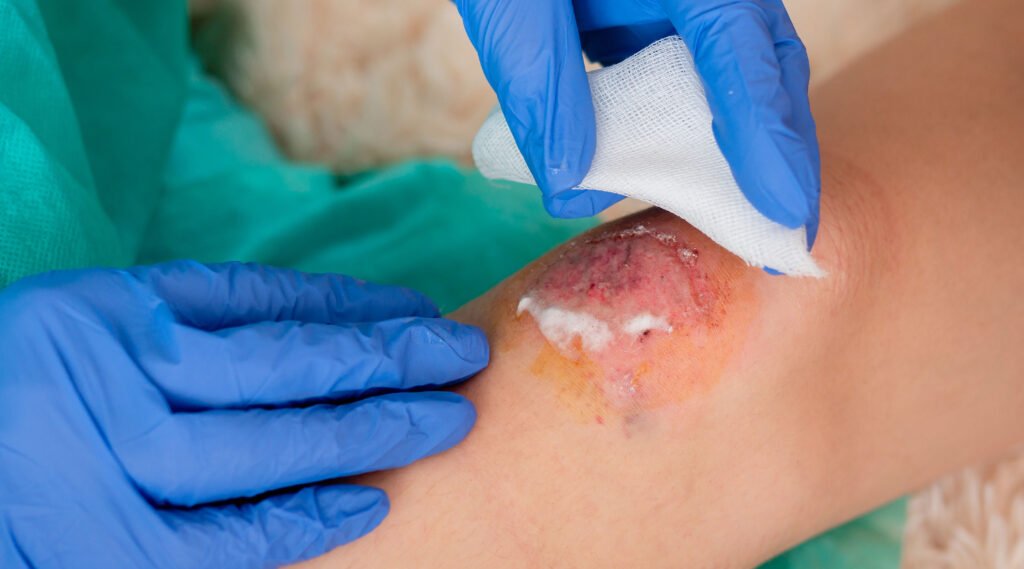
Hydrogen peroxide is a mild antiseptic commonly used to clean small cuts and abrasions. It works by releasing oxygen, which helps kill bacteria and remove debris from the wound surface.
However, hydrogen peroxide should be avoided for deep wounds or burns, as it can damage healthy tissue and delay healing.
Isopropyl Alcohol (Rubbing Alcohol)
Isopropyl alcohol is a versatile antiseptic that effectively kills bacteria and viruses. It is often used to disinfect the skin before injections or minor medical procedures.
Despite its effectiveness, alcohol can cause a stinging sensation when applied to open wounds and may interfere with healing. Therefore, it should be used cautiously, especially on sensitive skin.
Betadine (Povidone-Iodine)
Betadine is widely known as a powerful antiseptic that kills bacteria, viruses, and fungi. It is commonly used to clean wounds, burns, and skin infections.
However, in some individuals, povidone-iodine may trigger irritation or allergic reactions. A patch test is recommended before broader use.
Chlorhexidine
Chlorhexidine is an antiseptic frequently used in hospitals and healthcare facilities. It is effective against a wide range of microorganisms and has a residual effect, meaning it continues to kill bacteria even after drying.
Although commonly used for surgical preparation and wound cleansing, its application should still be adjusted to individual skin conditions.
Benzalkonium Chloride
Benzalkonium chloride is a relatively gentle antiseptic often found in antiseptic wipes or wound-cleansing solutions.
Compared to alcohol-based antiseptics, it is generally more suitable for sensitive skin and less likely to cause irritation.
While effective against bacteria and some viruses, its antimicrobial strength is milder than that of certain other antiseptics.
Gentle Antiseptics for Sensitive Skin
Hypochlorous Acid (HOCl)
Hypochlorous acid (HOCl) is a gentle and safe antiseptic used to cleanse and care for both acute and chronic wounds.
Interestingly, this compound is naturally produced by white blood cells as part of the body’s defense against infection.
Unlike alcohol-based antiseptics, HOCl does not cause stinging, is non-toxic, and is safe for use on sensitive areas.
Because it does not damage healthy tissue, HOCl can help accelerate wound healing.
In addition, HOCl helps stabilize the wound’s pH, inhibits biofilm formation, and effectively eliminates harmful microorganisms.
Another benefit is its ability to control unpleasant odors commonly associated with chronic wounds.
By cleansing the wound while maintaining adequate moisture, HOCl helps create an ideal environment for optimal healing.
Storage Guidelines
HOCl-based products can generally be stored at room temperature for up to 24 months. Once opened, the solution is typically safe to use for up to 90 days, depending on the product form and manufacturer’s instructions.
Safe and Practical Use
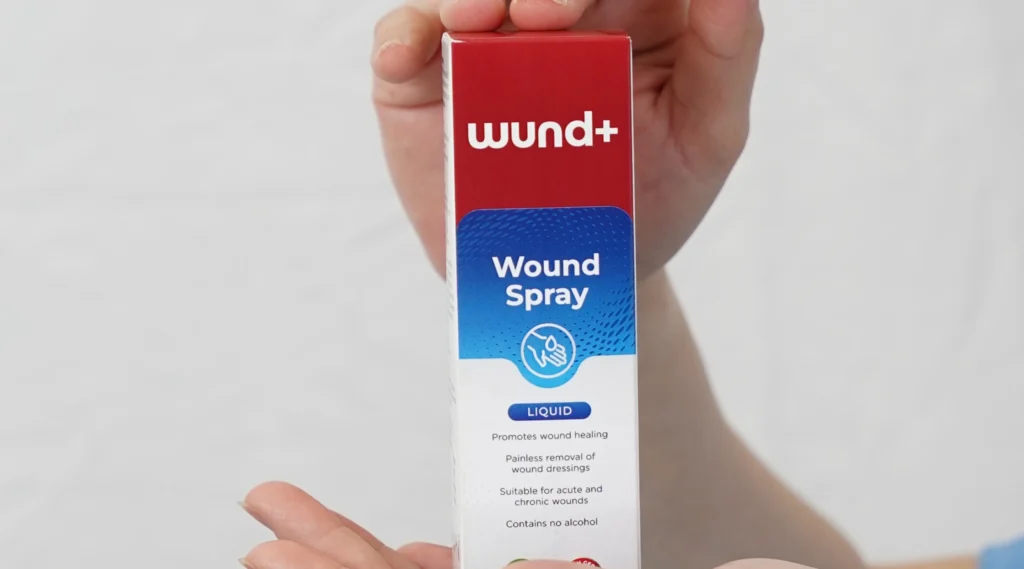
For safe wound care suitable for sensitive skin, GWS Wellness presents wund+™ Wound Spray.
This antiseptic is easy to use—spray it directly onto the wound without rinsing.
wund+™ Wound Spray is effective for cleansing, irrigating, and moisturizing various types of wounds.
Its formula is safe for sensitive tissues, including cartilage, tendons, ligaments, and even bone.
It can also be used on the ears, mouth, surgical wounds (during and after procedures), and fistulas.
Because it is alcohol-free and gentle, wund+™ Wound Spray does not cause stinging or damage healthy tissue surrounding the wound.
This helps create an optimal healing environment.
How to use wund+™ Wound Spray:
- Gently cleanse the wound using wund+™ Wound Spray as an irrigation solution.
- Spray directly onto the wound from a distance of approximately 15–30 cm after initial cleaning.
- Clean the wound again or apply the solution using a sterile compress soaked with the spray.
- Cover the wound with a standard wound dressing as needed.
With proper and consistent use, wund+™ Wound Spray helps keep wounds clean, reduce the risk of infection, and support faster, more effective healing.
References
Livingstone. Accessed in 2025. Choosing the Right First Aid Antiseptics for Any Emergency.
National Library of Medicine. Accessed in 2025. Skin Antiseptics.





Leave feedback about this