
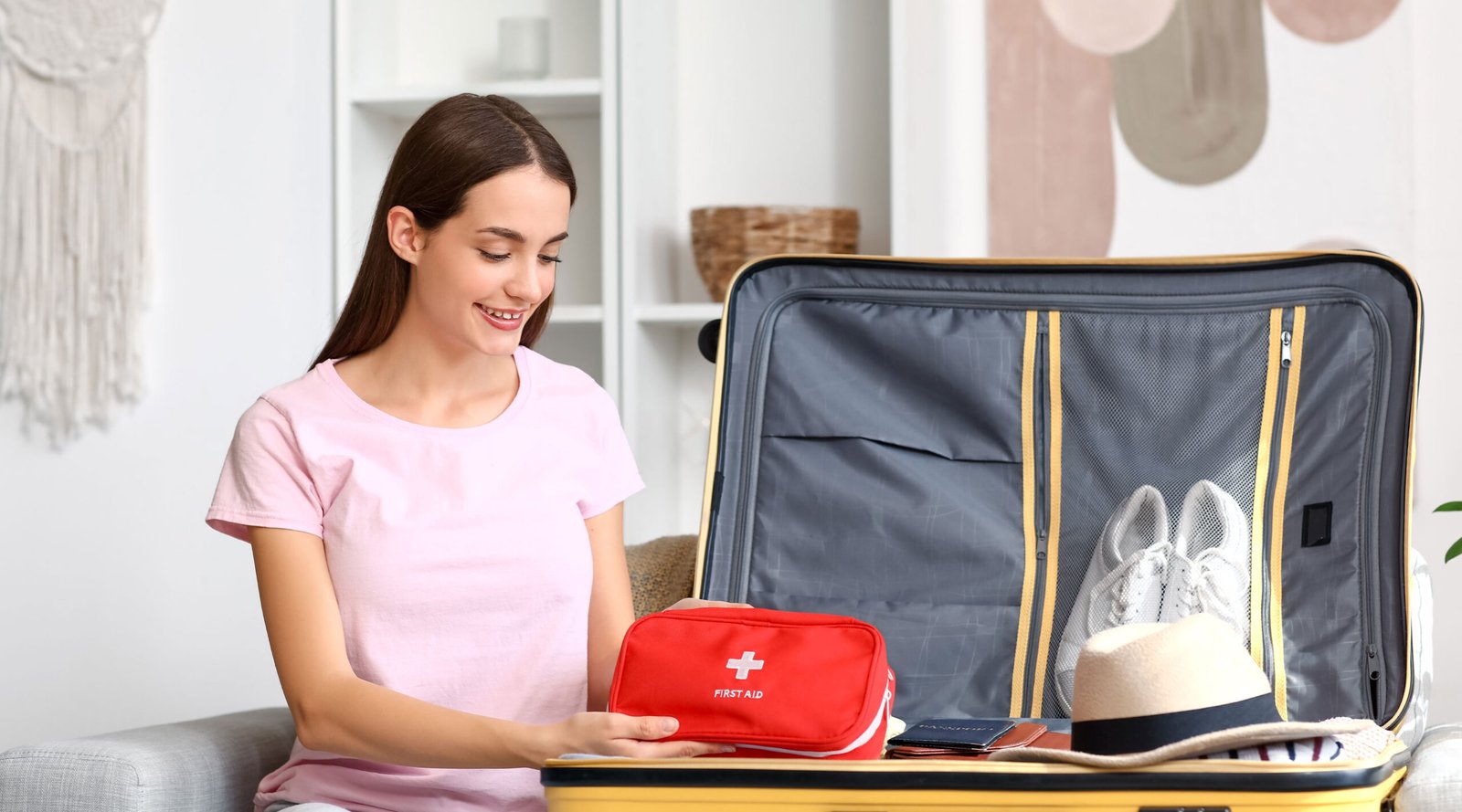
Intimate hygiene is one essential item that should never be left behind when you’re on the go. Extra underwear? Packed. Sunscreen? Ready. A book or earphones? Check.
But wait—what about feminine care products?
This is often overlooked, even though changes in climate, busy schedules, and long travel times can significantly affect intimate comfort.
That’s why it’s essential to bring travel-size feminine care products that are truly necessary, easy to carry, and safe to use whenever needed.
Travel-Size Feminine Care Essentials

Travel-size feminine care products are practical and hassle-free. Their compact size makes them easy to carry in handbags, backpacks, or cabin luggage.
With the right essentials, you can stay clean, fresh, and comfortable throughout your journey.
Before you go, prepare the following personal hygiene items:
Antibacterial Wet Wipes
Useful for cleaning hands or surfaces, especially when access to clean facilities is limited.
Pocket Tissues
A lifesaver when restrooms run out of toilet paper or in emergencies.
Menstrual Hygiene Products
Make sure to bring enough pads, tampons, or a menstrual cup based on the length of your trip.
Breath Fresheners
Mouthwash strips or chewing gum help maintain fresh breath, especially during long journeys or when feeling nauseous.
Deodorant Wipes
Helpful for staying fresh when sitting for long periods, moving between locations, or traveling in hot weather.
By bringing the right travel-size feminine care products, you can focus on enjoying your trip without worrying about personal hygiene and comfort.
How to Keep Your Intimate Area Fresh While Traveling

Once you’ve packed your travel-size feminine care products, the key to a comfortable journey is keeping your intimate area fresh.
Here’s how:
1. Clean the Intimate Area Regularly
Clean your intimate area daily with lukewarm water. Avoid harsh soaps or scented body washes, as they can disrupt the natural pH balance.
Instead, choose a gentle cleanser with a balanced pH, specifically formulated for feminine hygiene.
2. Wear Breathable Cotton Underwear
Synthetic fabrics trap heat and moisture, creating an ideal environment for bacterial growth. Choosing cotton underwear and changing it regularly helps maintain dryness and comfort.
3. Change Sanitary Products Regularly
During menstruation, change pads or tampons every 4–6 hours. Prolonged use can lead to infections, rashes, and unpleasant odors.
4. Maintain Proper Hygiene After Using the Toilet
Always clean the intimate area from front to back after using the toilet. This helps prevent bacteria from entering the vaginal area and reduces the risk of infection.
5. Stay Hydrated and Eat Well
Drinking plenty of water and eating a balanced diet supports overall health and helps maintain natural intimate health.
6. Avoid Tight Clothing for Extended Periods
Wearing tight jeans or leggings for long periods can trap moisture. Choose loose, breathable clothing, especially in hot and humid conditions.
Hygiene Tips for Long-Distance Travel
When traveling, your body comes into contact with various bacteria and germs—from door handles and public restrooms to public transportation seats and even hotel rooms that appear clean.
Without proper hygiene, this exposure can trigger infections, food poisoning, skin problems, and other health issues.
Some of the most common travel-related health problems include:
Urinary Tract Infections (UTIs)
UTIs are common among travelers, especially women, often caused by holding in urine too long or using poorly maintained public restrooms.
Diarrhea and Digestive Issues
Usually caused by contaminated food or water, with symptoms ranging from stomach pain and nausea to vomiting and food poisoning.
Skin Infections
Touching germ-covered surfaces—such as elevator buttons, stair railings, or door handles—and then touching the face or skin can lead to infections, irritation, or rashes.
Respiratory Infections
Being in enclosed public spaces, such as airports, trains, or buses, increases the risk of exposure to germs that cause flu and other respiratory infections.
To reduce these risks, practice simple hygiene habits while traveling:
- Wash your hands frequently or use hand sanitizer.
- Avoid holding in urine for too long.
- Use your own personal hygiene products, especially for intimate care.
- Clean frequently touched surfaces before use.
- Support your immune system by staying hydrated, eating nutritious food, and getting enough rest.
With good hygiene practices and the right travel intimate care essentials, you can minimize the risk of illness and enjoy your journey more comfortably and peacefully.
References
Atlys. Accessed in 2025. From Wardrobe to Wellness: Must-Have Travel Essentials for Women
Mildcares. Accessed in 2025. Hygiene Travel Guide for Female Travellers.
Mildlife Globe Trotter. Accessed in 2025. The Travel Essential for Women.




Leave feedback about this