
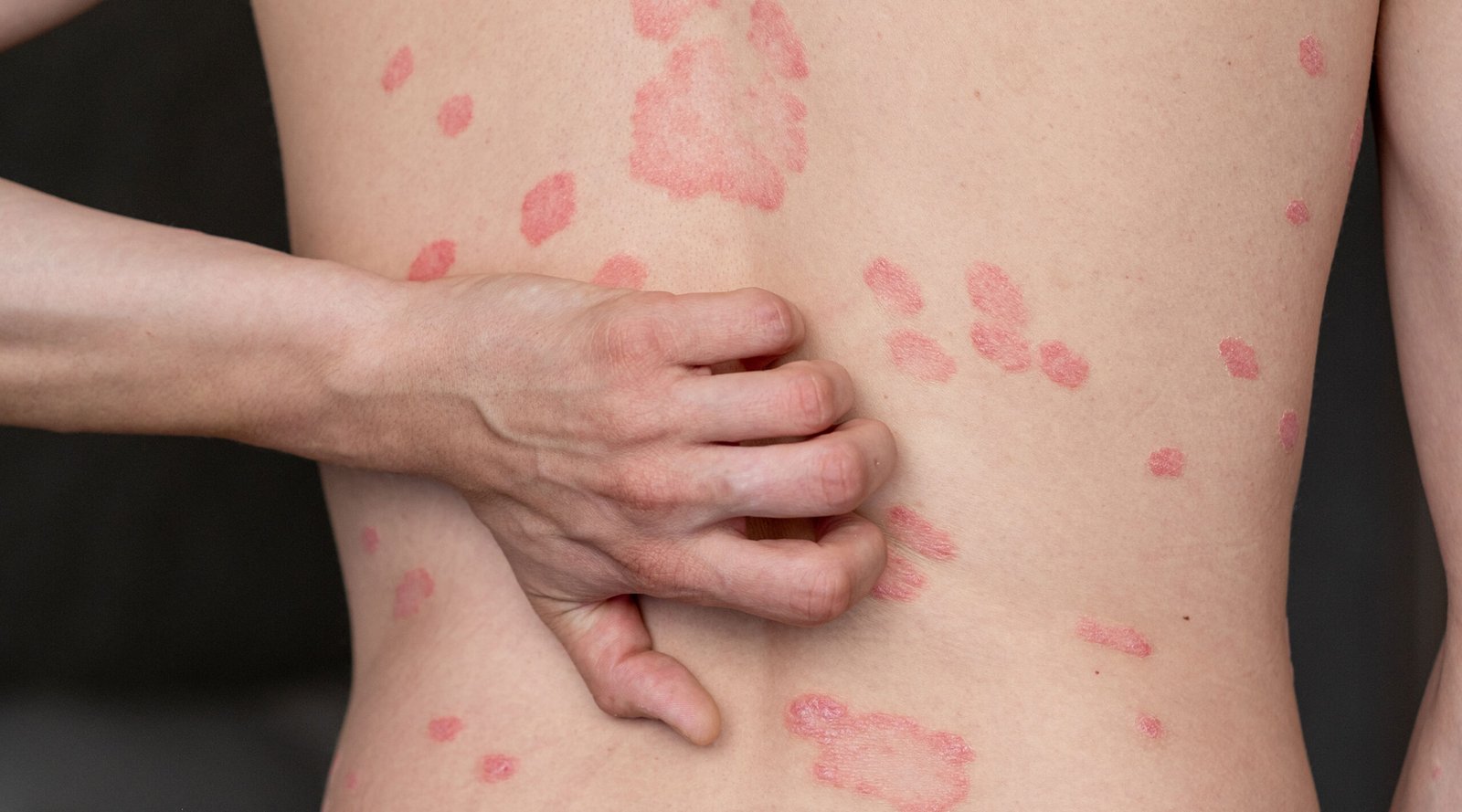
Psoriasis and diabetes are surprisingly closely linked. One that many people aren’t aware of. People with psoriasis are known to have a higher risk of developing type 2 diabetes.
In fact, several studies have found that the more severe a person’s psoriasis is, the greater their likelihood of developing diabetes.
Even so, experts are still studying the relationship to understand the underlying mechanisms better.
Inflammation in Psoriasis and Diabetes
If we look at the common thread, inflammation is what links psoriasis and diabetes.
In psoriasis, the immune system becomes “overactive” and mistakenly attacks the skin. This triggers chronic inflammation that doesn’t just stay on the surface. It can affect the entire body.
Meanwhile, type 2 diabetes is strongly tied to systemic inflammation. Long-lasting inflammation can make the body less sensitive to insulin.
When insulin sensitivity drops, blood sugar levels rise more easily, eventually triggering or worsening diabetes.
So when psoriasis-related inflammation spreads throughout the body, it can increase insulin resistance and interfere with how the body processes blood sugar.
This is one of the strongest reasons why people with psoriasis have a higher risk of developing type 2 diabetes.
Certain psoriasis medications, such as corticosteroids, can also affect blood sugar levels. These drugs may raise glucose levels, making diabetes management more challenging, especially for those who already have risk factors.
Beyond that, genetics and lifestyle factors also play significant roles. High-calorie diets, alcohol consumption, chronic stress, and a sedentary lifestyle can all worsen inflammation.
A combination of these factors may increase the risk of both psoriasis and diabetes.
Managing Psoriasis Flares for People with Diabetes

Managing psoriasis and diabetes simultaneously requires the right strategy, but the good news is that lifestyle changes can help calm both conditions.
A few simple steps can make a big difference:
1. Reduce Stress
Stress doesn’t just trigger psoriasis flares. It can also raise blood sugar levels, making both conditions harder to control.
Try deep breathing exercises, short meditation sessions, journaling, or light activities such as brisk walking. These practices help calm the mind while keeping the body more balanced.
2. Eat a Healthy Diet
An anti-inflammatory diet is highly beneficial. Colorful fruits and vegetables, fish, nuts, legumes, and whole grains can all help reduce inflammation while keeping blood sugar stable.
On the other hand, sugary foods, fried foods, processed products, and alcohol may worsen psoriasis symptoms and cause blood sugar spikes.
3. Maintain a Healthy Weight
Keeping your weight within a healthy range helps the body respond better to psoriasis treatments.
An added benefit is more stable blood sugar levels and a lower risk of diabetes complications.
You don’t need extreme measures—focus on small habits like balanced portions, moving more often, and getting quality sleep.
Healthy Eating Patterns for Psoriasis and Diabetes

To manage psoriasis and diabetes together, the key is choosing foods that don’t trigger inflammation. Focus on whole, balanced foods such as:
- fish, lean protein, or plant-based protein like tofu and tempeh;
- fresh fruits and vegetables;
- legumes (including lentils);
- nuts and seeds;
- olive oil;
- small amounts of low-fat dairy products;
- whole grains.
When starting an anti-inflammatory diet, avoid jumping into extreme or overly restrictive diets.
This can cause your body to miss out on essential nutrients. Instead, begin gradually: replace cookies or biscuits with fresh fruit, and choose healthier beverages such as herbal tea or infused water with fruit slices, mint, or cucumber.
If you notice certain foods trigger your psoriasis flare-ups, don’t hesitate to consult a doctor for a more personalized plan.
Excess body weight or obesity is also known to worsen psoriasis. That’s why considering a weight-loss program focused on portion control and reduced calorie intake may help improve skin symptoms while keeping blood sugar under control.
Remember, a healthy diet works best when supported by a healthy lifestyle: getting enough sleep, engaging in regular physical activity, and managing stress.
If you still smoke, this is the perfect moment to start planning your quit journey.
References
Hopkins Medicine. Accessed in 2025. Psoriasis Diet: Foods to Eat and Avoid If You Have Psoriasis
Medical News Today. Accessed in 2025. What to know about the link between psoriasis and diabetes.
WebMD. Accessed in 2025. How Does Diabetes Affect Psoriasis?






Leave feedback about this