
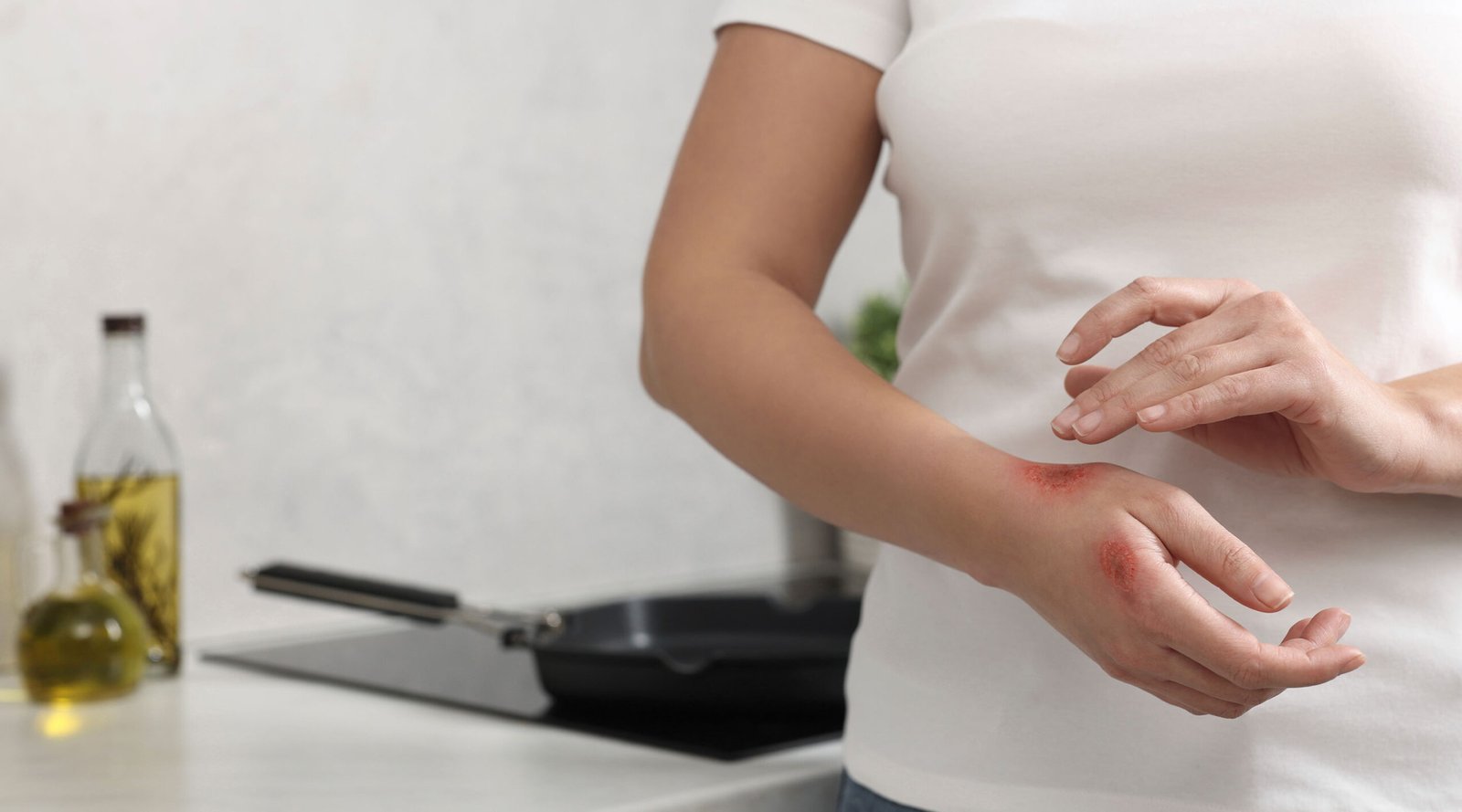
Minor burns are a common type of injury. Whether it’s hot oil splashing while frying or accidentally touching a hot pan, almost everyone has gone through it.
Usually, the first reflex is to apply butter, oil, or even toothpaste. Is this the right thing to do?
Before discussing the proper way to treat burns, it’s essential to understand the different types of burns:
1. First-Degree Burns
This is the mildest type of burn, affecting only the outer layer of the skin (epidermis). The skin appears red, painful, and tender to the touch.
There may be slight swelling, but no blisters. The skin typically turns white when pressed.
First-degree burns usually heal within 5–10 days with simple home care.
2. Second-Degree Burns
This type affects the epidermis and part of the dermis, often causing blisters. It is more painful than first-degree burns and takes longer to heal, around 2–3 weeks.
Depending on severity and the size of the affected area, some cases require medical attention.
3. Third-Degree Burns
The most severe type of burn reaches deeper tissues, including fat, muscle, and even bone. The skin may appear pale white, charred, or leathery.
This condition requires immediate medical care and often takes more than eight weeks to heal. Surgery may also be necessary.
Regardless of severity, burns should always be kept clean and dry, and direct sun exposure should be avoided as much as possible.
If blisters develop, do not pop them, as this increases the risk of infection and slows healing.
The Risks of Using Kitchen Ingredients and Toothpaste on Burns
Although first-degree burns can typically be treated at home, applying kitchen ingredients such as butter, honey, egg whites, ice, mayonnaise, or toothpaste is strongly discouraged.
Many people believe these ingredients soothe the skin, but the reality is quite the opposite.
Most home remedies trap heat in the skin, worsening the burning sensation and potentially deepening the injury.
In addition, kitchen ingredients and toothpaste are not sterile. Applying them to burns can introduce bacteria, raise the risk of infection, and delay healing.
Oil-based treatments—such as butter and mayonnaise—can trap heat on the skin for even longer, worsening the burn rather than helping it.
If you experience a burn, the correct first step is to cool the area, not apply random substances.
Proper First Aid for Burns
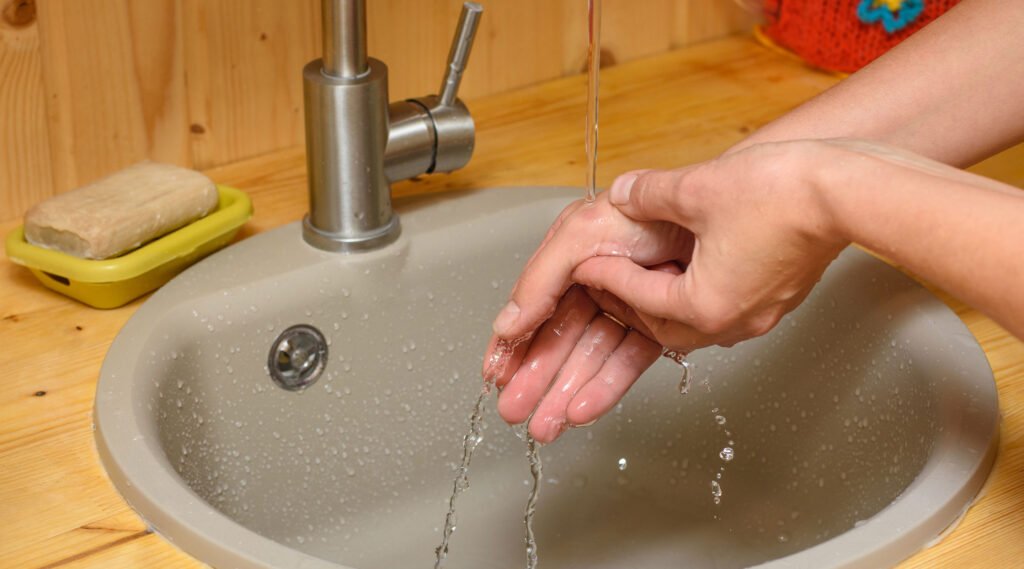
For minor burns, the American Academy of Dermatology Association (AAD) recommends the following steps:
1. Cool the Burned Area with Cool (Not Ice-Cold) Water
Rinse the burned area under running cool water or apply a clean, cool, damp cloth for at least 10 minutes.
Avoid using ice, as frigid temperatures can damage skin tissue and worsen the injury.
2. After the Skin Feels Cooler and More Comfortable, Apply a Thin Layer of Petroleum Jelly
Petroleum jelly helps maintain moisture and protect the skin surface.
Then, cover the burn with a clean bandage or sterile cloth to prevent friction and contamination.
If blisters appear, do not pop them. They serve as a natural protective layer—popping them raises infection risk and prolongs healing.
Safe Natural Ingredients for Burns
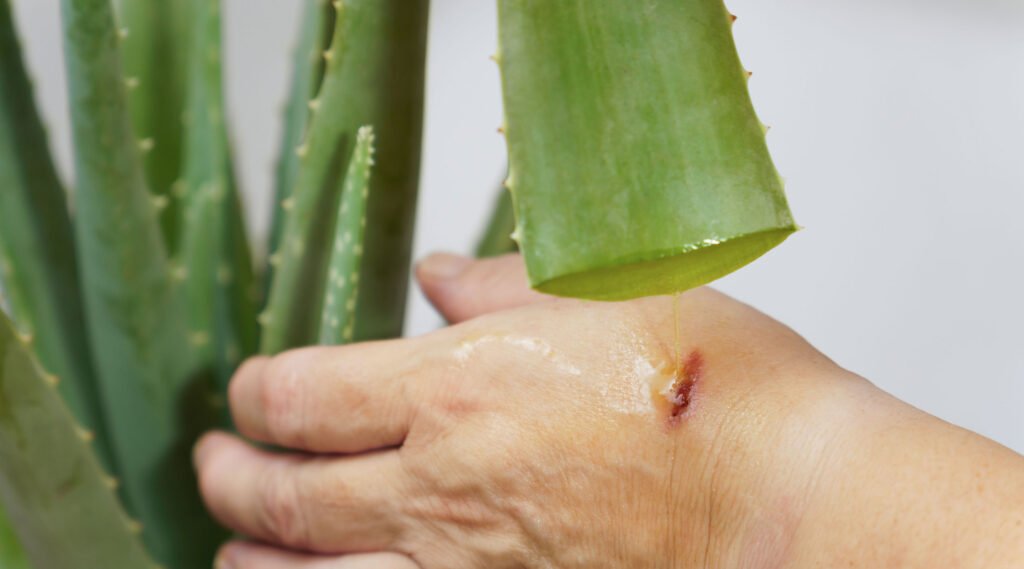
For minor burns, several natural ingredients can help soothe pain and discomfort—provided the burn is cleaned and properly cared for.
If the burn has an open blister, you may use petroleum jelly, aloe vera gel, or a soothing aloe vera lotion.
Aloe vera is one of the most commonly recommended natural remedies. Its transparent gel is used topically to cool the skin, reduce inflammation, and support healing.
It also has mild antibacterial properties that help prevent bacterial growth.
After applying gel or lotion, cover the area with a clean dressing to protect it from friction and infection.
Other natural ingredients known for their soothing properties include calendula, chamomile, and oatmeal, which can help reduce irritation and itching.
Lavender essential oil is also often used as a complementary therapy due to its anti-inflammatory properties, which may ease mild pain.
However, keep in mind: not all natural ingredients are safe for burns, especially if the blister has ruptured or the burn covers a large area.
Some ingredients—such as comfrey, goldenseal, and coconut oil—may offer benefits. Still, they are not recommended for direct application to open burns because they can trap heat or increase the risk of infection.
References
First Respond CPR. Accessed in 2025. Treating Burn Injuries and the Negative Effects of Home Remedies.
Medical News Today. Accessed in 2025. What to know about burns




Leave feedback about this