

PMS is a problem that almost every woman experiences. For example, have you ever suddenly burst into tears for no apparent reason?
Nothing sad happened; there was no real trigger—yet you just felt like crying .…
If this happens to you, don’t panic. Check your period calendar. It might be close to your menstrual cycle.
During this time, estrogen levels rise and fall, making you more sensitive even though you’re actually fine!
Recognize the Symptoms of PMS
PMS symptoms can be physical, emotional, or a combination of both. They can range from mild to severe.
Common symptoms include headaches, breast tenderness, bloating, sudden breakouts, cravings, fatigue, irritability, and even depression.
It’s estimated that three out of four women who menstruate have experienced some of these symptoms.
These symptoms usually appear around ovulation, when estrogen and progesterone levels increase.
The timing varies—typically 1–2 weeks, or even just two days before menstruation.
When menstruation begins, these hormone levels drop for a few days before rising again.
Foods That Help Relieve PMS
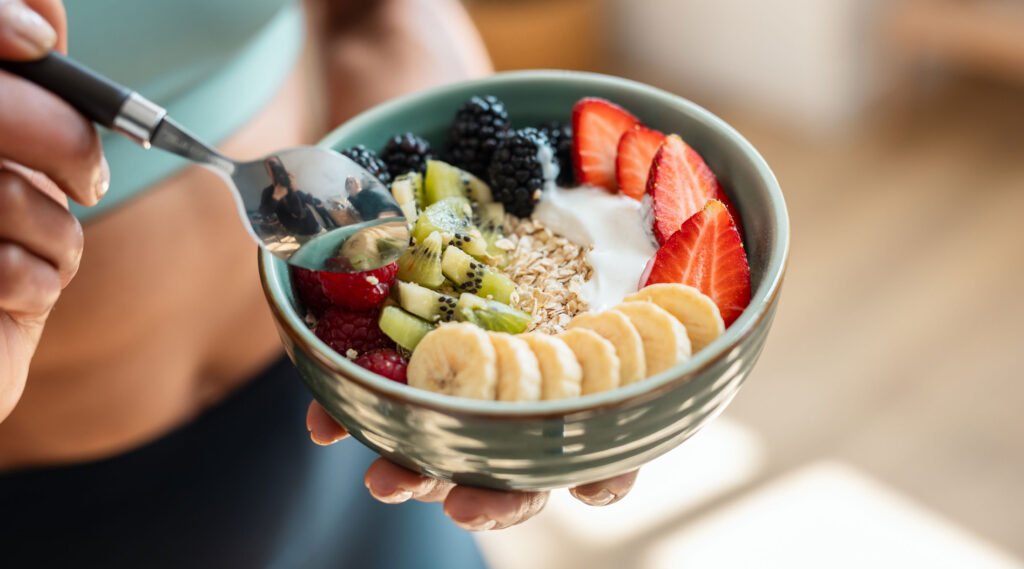
1. Eat Healthy Foods
Eating nutritious foods can help improve PMS symptoms. Reduce salty, fatty, and sugary foods, as well as caffeinated and alcoholic drinks, in the two weeks leading up to your period.
This can help ease PMS symptoms.
Instead, consume colorful fruits and vegetables rich in fiber, as well as whole grains such as brown rice, oatmeal, and whole-wheat bread.
2. Don’t Skip Breakfast or Other Meals
To avoid excessive hunger, eat meals and snacks regularly throughout the day. If you feel down due to PMS, skipping meals can worsen irritability because of sudden drops in blood sugar levels.
3. Eat Foods Rich in Vitamin B
Bread and cereals also contain B vitamins. Recent research shows that women with higher intakes of thiamin (vitamin B1) and riboflavin (vitamin B2) have a significantly lower risk of developing PMS.
4. Avoid Excess Sugar
Fluctuations in estrogen and progesterone can lower serotonin levels in the brain. These changes can affect mood and trigger PMS symptoms.
5. Reduce Salt Intake
It may feel impossible to avoid salt in ready-to-eat foods, but reducing sodium intake can help decrease bloating and uncomfortable water retention during PMS.
To lower your salt intake, focus on whole foods rather than processed or instant foods, which often contain added sodium during processing.
Routines That Can Help Ease PMS
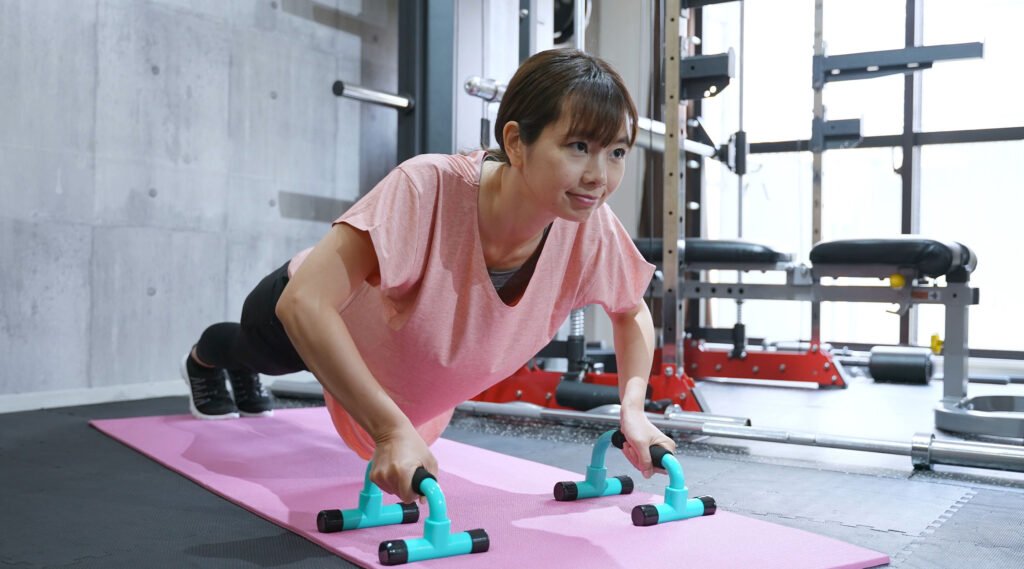
Making lifestyle changes can help reduce pain and improve PMS symptoms related to mood. Examples include:
1. Exercise Regularly
Moderate exercise (running, walking, swimming) for 30 minutes a day can relieve stress and improve your mood. Plus, exercise benefits your overall health.
2. Get Enough Sleep
Getting at least 8 hours of sleep can help reduce irritability. Going to bed and waking up at the same time each day can also help you feel better throughout the day.
3. Practice Relaxation Techniques
Yoga, meditation, and breathing exercises can help relieve stress and manage feelings of irritability or sadness that often accompany PMS.
4. Avoid Smoking
Smoking can worsen PMS symptoms.
References
Cleveland Clinic. Accessed in 2025. PMS-Premenstrual Syndrome.
Mayo Clinic. Accessed in 2025. Premenstrual Syndrome: Symptoms and Causes.
WebMD. Accessed in 2025. Diet and PMS.



Leave feedback about this