
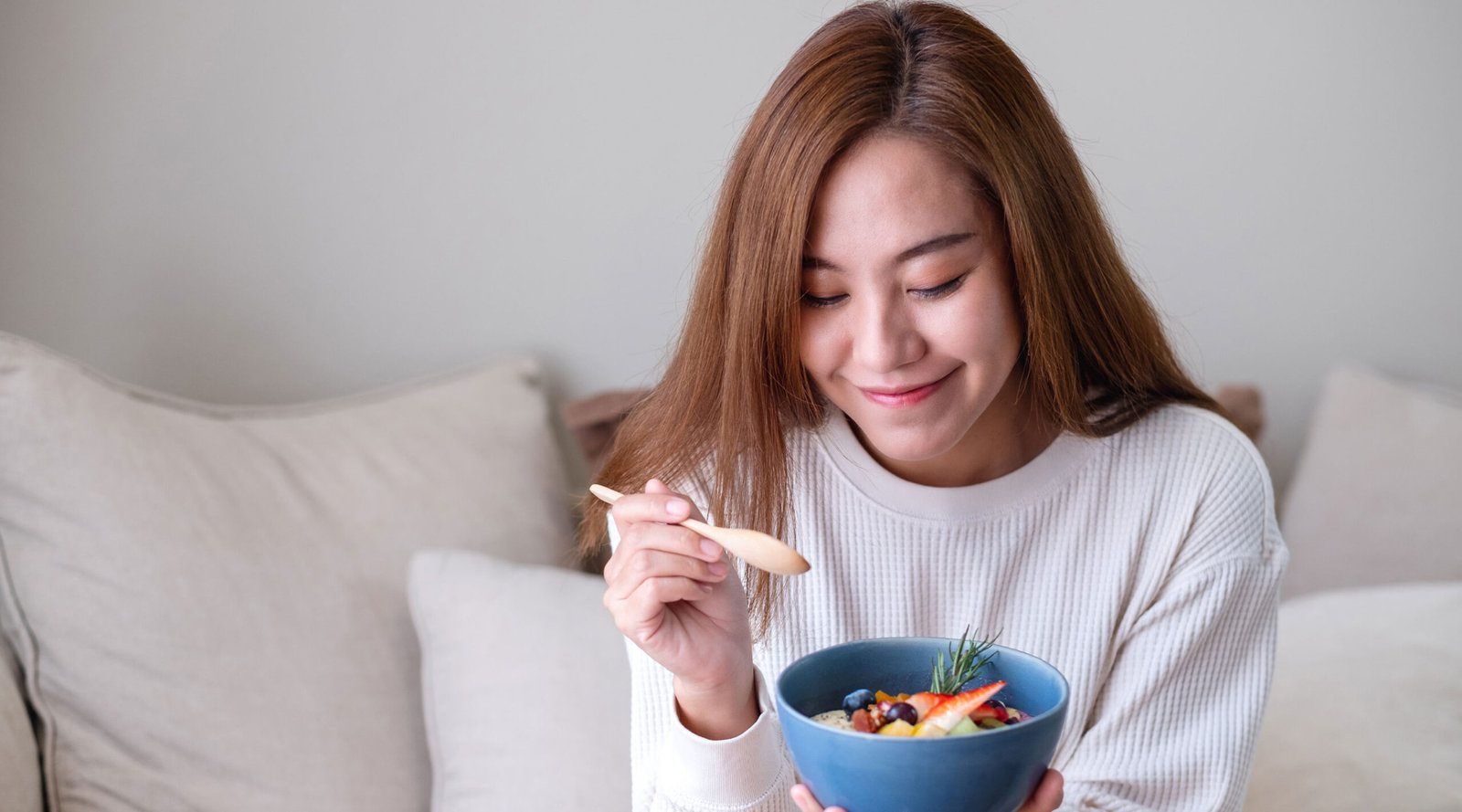
Nutritious foods play a major role in supporting overall health, including the health of your intimate area. One nutrient-rich food with many benefits is yoghurt.
Are you a yoghurt lover? If yes, then you’re already taking an important step toward maintaining a healthy vaginal pH.
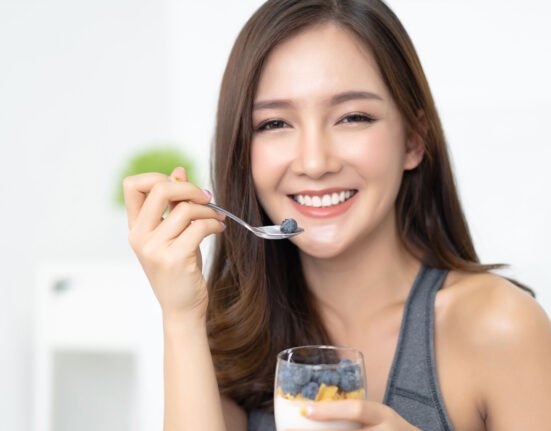
Yoghurt contains probiotics—good bacteria that help maintain the natural flora in the intimate area.
A balanced pH is crucial because it serves as the first line of defence against irritation, harmful bacteria, and infections such as bacterial vaginosis and yeast infections.
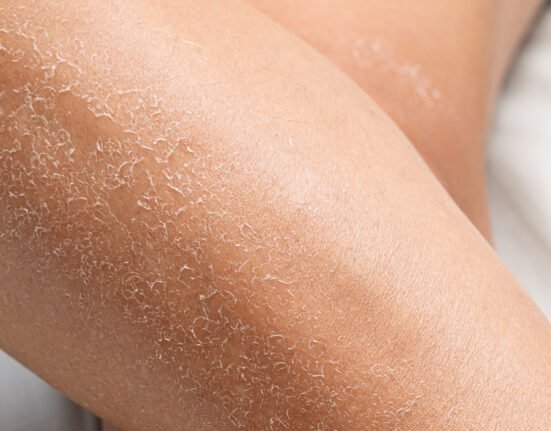
When vaginal pH becomes unbalanced, various symptoms may appear, including dryness, itching, and an unpleasant odor.
By regularly choosing the right nutritious foods, you can support intimate health from the inside while improving your overall well-being.
Foods That Influence Vaginal pH

1. Probiotics
Probiotics are live microorganisms—good bacteria and yeast—that benefit the body, from digestion and immunity to intimate health.
The vagina naturally contains beneficial bacteria, primarily Lactobacillus, which help maintain microbial balance and protect against bacterial vaginosis and yeast infections.
When these good bacteria decrease, harmful microbes can grow more rapidly and trigger infections.
To support this balance, you can consume foods rich in Lactobacillus.
Yoghurt is the best choice, especially when it contains “live and active cultures.”
Other fermented foods like kimchi, pickles, miso, and tempeh are also excellent sources of probiotics.
2. Fruits
Fruits rich in antioxidants—such as blueberries, pomegranates, and strawberries—help protect body cells, including those in the intimate area.
Antioxidants help fight oxidative stress, which can affect fertility and vaginal health.
Interestingly, a 2014 study found that women who consumed at least one apple per day had better vaginal lubrication and higher sexual satisfaction than those who did not.
So, fruits are not only great for the body but may also improve comfort and sexual function.
3. High-Fiber Foods
High-fiber foods can help boost Lactobacillus in the vagina, offering extra protection against bacterial vaginosis and yeast infections.
Some of the best sources of fiber include:
- berries and other fruits;
- cooked artichokes;
- cooked sweet potatoes;
- beans and legumes;
- seeds;
- whole grains such as barley, oatmeal, and quinoa.
Besides supporting digestion, fiber also helps maintain the body’s overall microbiome balance.
4. Vitamin D
Vitamin D isn’t just essential for bone health. It also supports vaginal wellness.
This nutrient can reduce dryness, help maintain pH balance, and improve vaginal cell diversity, especially in menopausal women.
Top sources of vitamin D include:
- Cheddar cheese;
- cooked salmon;
- eggs;
- vitamin D–fortified milk;
- sardines;
- trout;
Ensuring adequate vitamin D intake can be an effective way to maintain the intimate area comfortable and healthy.
Drinks That May Cause Unpleasant Odor
Alcohol is one of the most common triggers of unpleasant vaginal odor. Besides causing dehydration, alcohol can also reduce natural vaginal lubrication.
As a result, you may experience discomfort or even pain during intercourse. This doesn’t mean you must avoid alcohol entirely— consume it wisely.
Not drinking enough water can also change vaginal odor. When your body is dehydrated, urine becomes more concentrated and smells like ammonia, which can affect the scent of the intimate area.
Drinking enough water helps hydrate the body, reduce odor, and maintain natural fluid and pH balance.
Food Choices to Nourish Vaginal Health

Supporting vaginal health through diet doesn’t mean you need a strict or perfect eating plan.
The key lies in simple choices you make every day—and it starts with what you eat.
By increasing your intake of fibre-rich plant-based foods, micronutrient-dense fruits and vegetables, quality proteins, and fermented foods rich in probiotics, you can help maintain a balanced vaginal microbiome.
Nutritious foods not only support your intimate area but also promote overall health and well-being.
References
Cleveland Clinic. Accessed in 2025. Vaginal Odor.
Health. Accessed in 2025. Best Food for Vagina Health.


Leave feedback about this