
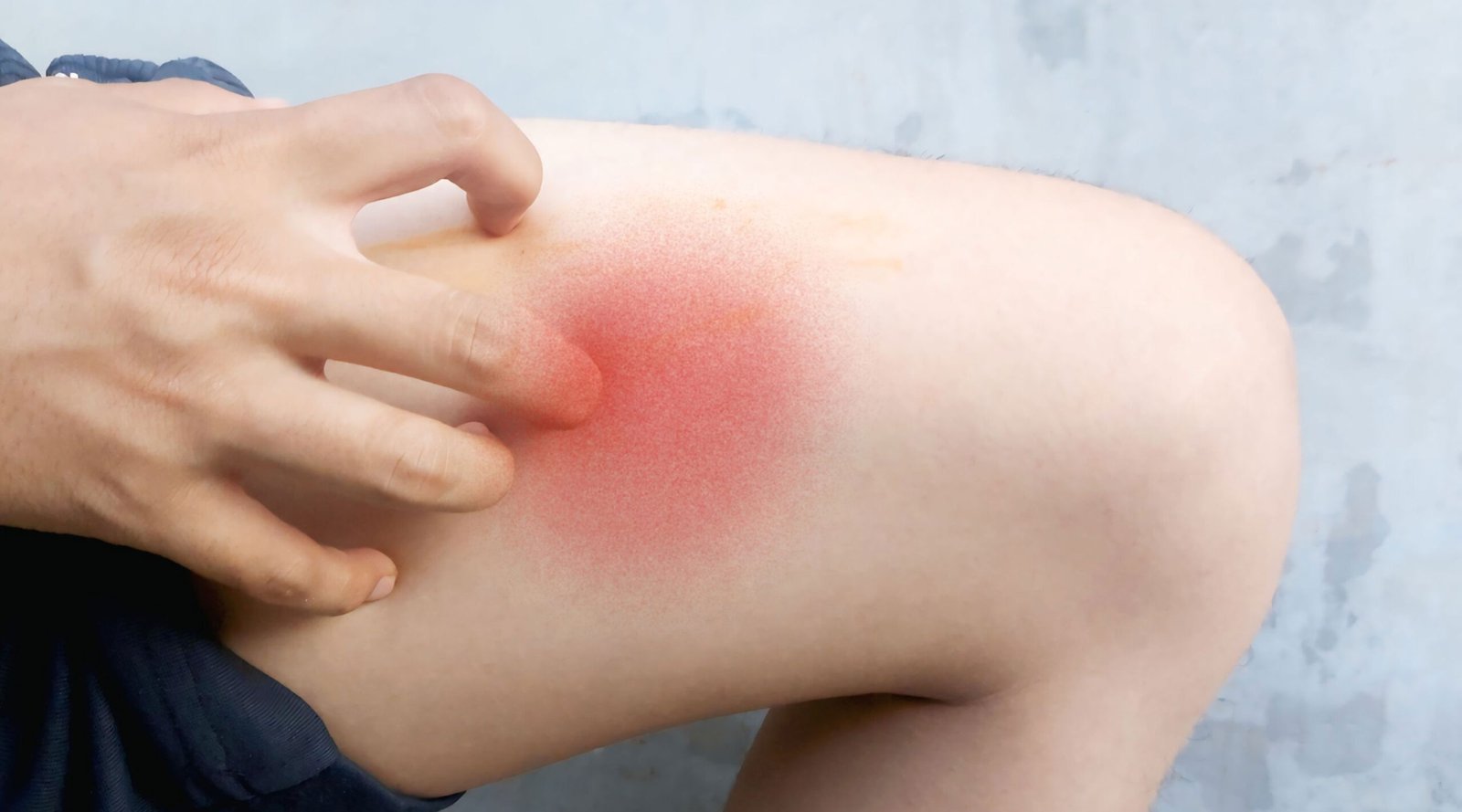
Itchy thighs during exercise usually occur when the skin rubs against another surface—another part of skin or fabric—resulting in chafing.
To prevent this, use products that keep the skin moisturized. Also, choose clothing that fits well—not too tight and not too loose.
Causes of Chafing During Exercise
Chafing happens when the skin repeatedly rubs against itself or clothing, irritating.
This condition typically appears in areas where the skin naturally folds or comes into contact with other skin surfaces.
It is more common on sensitive skin or in warm, moist areas.
These include the inner thighs, groin, buttocks, underarms, and chest. Chafing can also occur when clothing or gear repeatedly rubs against the skin.
Common causes include:
- Friction: Continuous skin-to-skin or skin-to-fabric contact.
- Sweat: Sweat makes the skin more prone to irritation.
- Ill-fitting clothing: Clothes that are too tight or too loose can increase friction.
- Moisture: Sweat or rain can worsen chafing.
- Body shape: Certain body areas—like the thighs, underarms, and nipples—are more prone to chafing due to natural body movement.
Typical symptoms include:
- Redness: The affected area becomes red and inflamed.
- Rash: A rash may appear in areas with friction.
- Pain: The area may feel sore, especially when moving or when clothing brushes against it.
- Burning sensation: A stinging or burning feeling is common.
- Blisters: Severe chafing may lead to blisters or skin peeling.
Tips for Choosing Safe and Comfortable Sportswear

To prevent chafing, improve comfort, and protect your skin, consider the following when choosing workout clothing:
1. Fit
Proper fit is essential. Clothes that are too loose can cause skin-to-skin friction, while overly tight clothing can pinch and rub against the skin.
2. Seams
Look for flat seams or seamless designs, especially in areas prone to friction such as the underarms and inner thighs.
3. Material
While many sportswear fabrics are breathable, some breathable materials like cotton absorb sweat but dry slowly.
Choose moisture-wicking materials such as nylon, polyester, or spandex to help keep sweat off the skin and prevent it from soaking into your clothes.
4. Compression Wear
Compression shorts, leggings, sleeves, or socks are designed to support muscles and improve circulation.
They also act as a protective layer, reducing friction between the skin and fabric, helping lower the risk of chafing.
5. Keep Your Skin Clean and Dry
Moisture from sweat, humidity, or rain can irritate the skin and trigger chafing. Keeping your skin clean and dry is key.
If you’re exercising in hot or humid conditions, bring a towel to wipe off sweat or wear moisture-wicking clothing.
After workouts, change immediately and take a shower. Remember, dried sweat and dirt trapped in clothing can also lead to irritation—so always exercise in clean sportswear.
Effective Anti-Chafing Product
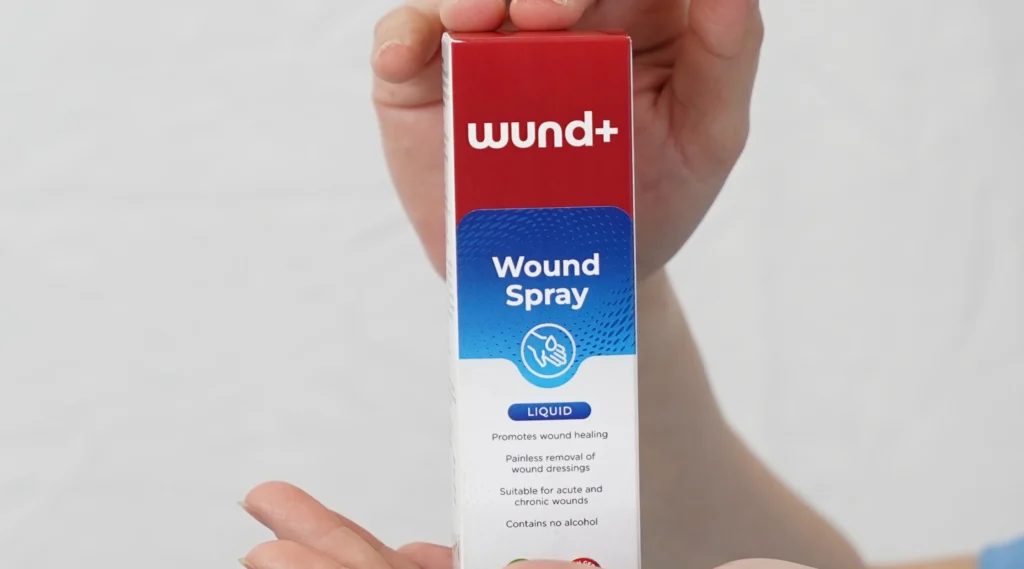
If you experience chafing, you can use wund+™ Wound Spray.
This product is a no-rinse wound-care formula that cleans, hydrates, and helps prevent infection in both acute and chronic wounds.
Its HOCl content supports the healing process and helps care for irritated or damaged skin.
References
Aster Hospital. Accessed in 2025. Chafing During Workouts.
Cleveland Clinic. Accessed in 2025. Chafing.




Leave feedback about this