

Postpartum care is generally recommended around six months after giving birth. This is important because many women experience changes in their bodies, especially in the intimate area.
These changes may include perineal pain, discomfort during sexual intercourse, bleeding, and vaginal dryness.
Postpartum Changes in the Intimate Area

1. The Vagina Feels Wider
The vagina often appears wider than before childbirth. Swelling and openness usually subside within a few days.
Many women also feel that their vagina becomes looser.
Tip:
The vagina does not return exactly to its pre-pregnancy state. However, you can try pelvic floor exercises or Kegels to help tighten the vaginal muscles. This may also help prevent urinary incontinence.
2. Vaginal Dryness
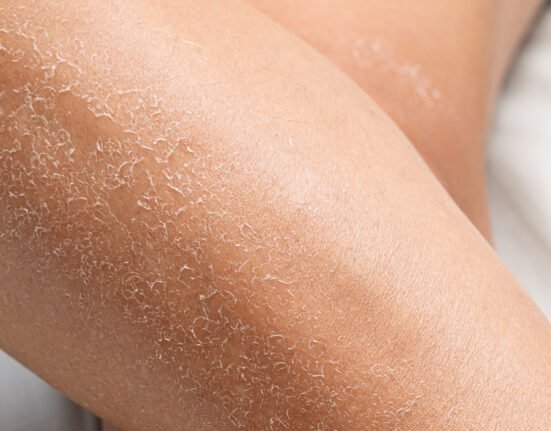
Vaginal dryness is widespread after giving birth. This occurs due to lower estrogen levels, especially in breastfeeding mothers, who naturally have lower estrogen than non-breastfeeding mothers.
Vaginal dryness can make sexual intercourse uncomfortable or painful and may sometimes cause light bleeding.
3. Pain from Vaginal Stitches
The type, intensity, and duration of vaginal pain vary from person to person. Some may experience one or more of the following symptoms after childbirth:
- Cramps
- Back, neck, or joint pain
- Perineal pain (the area between the vagina and anus)
- Breast swelling or tenderness
4. Vaginal Discharge
Whether delivering vaginally or via cesarean section, the uterus must clear out the blood, mucus, and extra tissue accumulated during pregnancy.
This postpartum vaginal bleeding is known as lochia.
Bleeding is typically heavier than menstruation during the first 3–10 days after childbirth.
After that, you may experience lighter bleeding or spotting for 4–6 weeks, with the colour gradually changing from red to pink, then to brown, and finally to yellowish white.
Stitch Care and Daily Hygiene
During childbirth, the perineum stretches to allow the baby to pass through. This area—between the vaginal opening and the anus—may tear or become scraped.
Tears that require stitches (which usually dissolve within 1–2 weeks) can cause tenderness, making good hygiene especially important.
Here are some ways to keep the area clean and comfortable:
1. Take a Shower
Use clean water to rinse the perineal area. Gently pat dry with a clean towel.
2. Change Pads Regularly
Replace sanitary pads frequently. To ease discomfort and reduce inflammation, apply a cold compress to the perineum for up to 10 minutes every four hours.
3. Maintain a Healthy Diet
Drink plenty of water to prevent constipation. Consume high-fiber foods such as fruits and vegetables.
4. Get Adequate Rest
Make time to rest. Rest is essential for healing and recovery. Try to sit or lie in comfortable positions that do not put pressure on the perineum.
Psychological Support and Self-Confidence

Having a baby is a life-changing experience. Parenthood is joyful, but it can also be exhausting and overwhelming.
Feeling worried or unsure is normal, especially for first-time parents. However, if your feelings include intense sadness or loneliness, severe mood swings, or frequent crying, you may be experiencing postpartum depression.
How Can You Manage Postpartum Depression?
It is okay to feel overwhelmed. Parenting has its ups and downs, and having a baby is not easy. If you are experiencing depression, you are not alone.
Here are some steps you can take to cope with postpartum depression:
- Talk to someone — a therapist, friend, family member, or anyone who can listen and support you.
- Join a support group for new parents.
- Try to eat healthy and make time for physical activity.
- Prioritize rest whenever possible.
- Spend time with friends or talk to them over the phone.
- Make time for self-care and activities you enjoy, such as reading or hobbies.
- Seek help with household chores or other responsibilities.
References
Cleveland Clinic. Accessed in 2025. Postpartum Depression.
Medical News Today. Accessed in 2025. What vaginal changes can a person expect after giving birth?
Midwife. Accessed in 2025. Care of Your Perineum After Birth.
What to Expect. Accessed in 2025. What Really Happens to Your Vagina After Birth.




Leave feedback about this