

Hormonal changes in women are a natural part of life, affecting not only mood or energy levels but also metabolism and skin health.
As the largest organ of the body, the skin is highly sensitive to hormonal fluctuations.
Hormones regulate oil production, collagen formation, skin hydration, and inflammation levels.
Therefore, as hormone levels rise and fall—from puberty, menstrual cycles, pregnancy, and menopause to stress—the skin often reacts in visible ways.
Hormonal Changes and Their Effects on the Skin
Hormones can significantly influence skin conditions at every stage of a woman’s life. Each phase brings unique changes that may be clearly noticeable on the skin.
1. Puberty
During puberty, androgen levels increase and trigger excess oil (sebum) production. As a result, many teenagers experience acne, clogged pores, and other changes, such as more active sweat glands and thicker hair growth.
2. Menstrual Cycle
Throughout the menstrual cycle, hormone levels fluctuate, and the skin responds.
In the first half of the cycle, estrogen peaks, making the skin appear clearer and brighter.
However, when progesterone rises in the second half, the skin may become more oily, sensitive, and prone to breakouts.
This is why maintaining a consistent skincare routine throughout the month is essential.
3. Pregnancy
During pregnancy, estrogen and progesterone increase significantly. This can cause various skin changes, including hyperpigmentation, stretch marks, acne and heightened sensitivity.
However, some women may experience clearer and more radiant skin. During this phase, using pregnancy-safe skincare products such as gentle cleansers, moisturizers, and sunscreens is highly recommended.
4. Post-Pregnancy
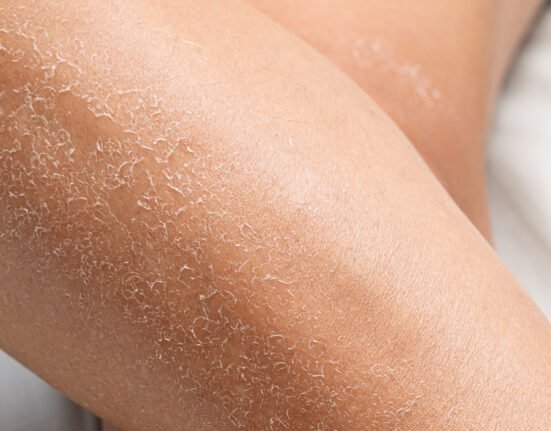
After childbirth, hormone levels fluctuate again as the body readjusts. It’s common to experience dry skin, acne, or hyperpigmentation.
Appropriate skincare can help stabilize the skin during this recovery period.
5. Menopause
Entering menopause, estrogen levels drop sharply. This can lead to dryness, thinning skin, wrinkles, and the appearance of age spots.
At this stage, products that hydrate and nourish the skin become essential, and sun protection (SPF 30 or higher) remains crucial in preventing further damage.
How to Maintain Skin Health at Every Stage of Life
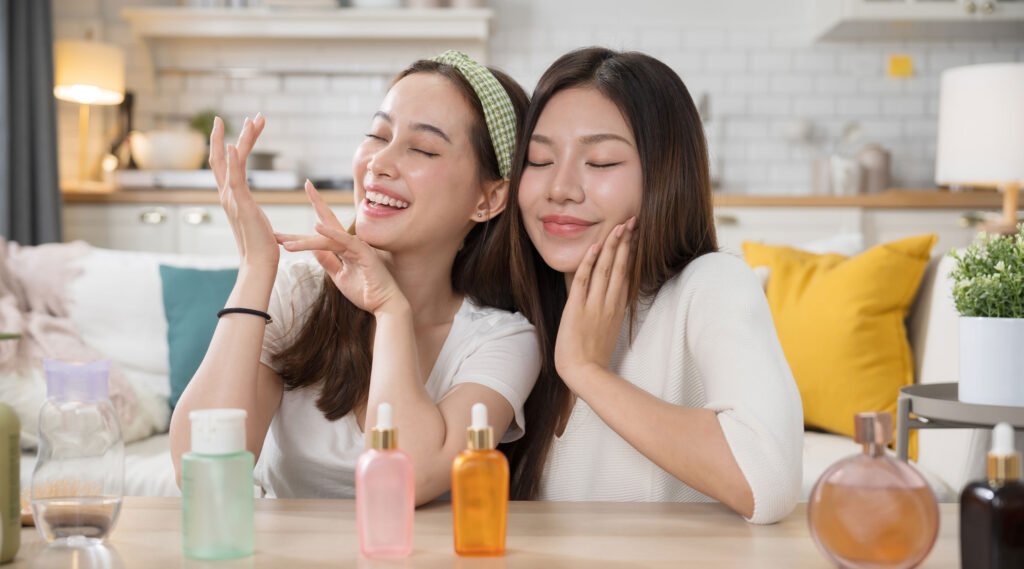
Although hormonal changes are a natural part of life, there are ways to support the skin through these transitions.
1. The Right Skincare Routine
Choose products that suit your skin type. For example:
- Gentle cleansers and non-comedogenic moisturizers for acne-prone skin
- Creams and serums that provide hydration for dry or aging skin
2. Healthy Eating Habits
A balanced diet rich in antioxidants, vitamins, and minerals supports skin health. Omega-3 fatty acids—found in fish and flaxseed—play a crucial role in reducing inflammation.
3. Regular Exercise
Physical activity helps regulate hormones, reduce stress, and improve circulation—all of which benefit the skin.
4. Sufficient Sleep
Quality sleep is essential for skin repair and hormonal balance. Aim for 7–9 hours of sleep per night.
5. Stress Management
Practices such as mindfulness, meditation, and yoga can help lower cortisol levels and improve skin conditions affected by stress.
A Positive Mindset in Facing Body Changes

There is no single strategy that works for every woman or addresses every mental and emotional challenge associated with hormonal changes.
However, several effective approaches can offer relief when combined as needed:
- Practice meditation and breathing exercises to manage stress caused by physical and emotional changes.
- Maintain a balanced diet.
- Use coping mechanisms such as journaling, music, gardening, or other relaxing activities.
- Sleep at least 7 hours to stay energized.
- Stay well-hydrated to help reduce symptoms like hot flashes and excessive sweating.
- Exercise regularly to prevent joint pain, weight gain and maintain the body’s flexibility.
Hormones play a crucial role in skin health, influencing everything from oil production to collagen synthesis.
By understanding the connection between hormones and the skin, you can take proactive steps to care for your skin at every stage of life.
Maintaining a healthy lifestyle and consistent skincare routine is key to keeping your skin looking and feeling its best—regardless of the hormonal changes you experience.
References
Bend Dermatology. Accessed in 2025. Hormones and How They Affect Your Skin
Dermatology Physician of Connecticut. Accessed in 2025. How Hormones Affect Your Skin: Understanding the Connection.
Dr. Pedrag Urosevic. Accessed in 2025. How Hormonal Changes Affect the Skin: A Comprehensive Guide.
The Jed Foundation. Accessed in 2025. Tips for Body Positivity: Ways to Feel Better About Our Bodies.
Women’s Health Group. Accessed in 2025. The Wonders of Womanhood: Puberty to Menopause.




Leave feedback about this