
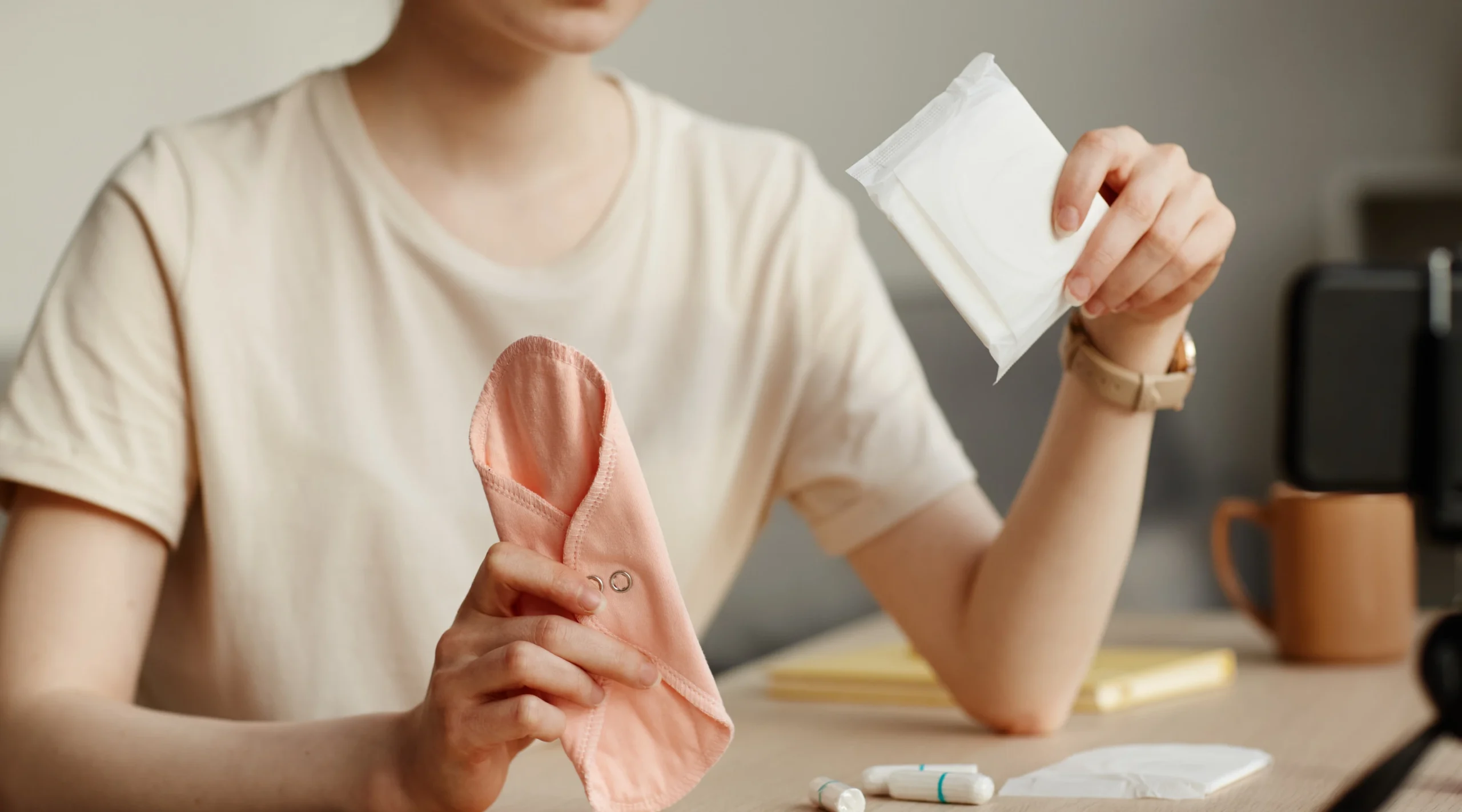
Menstruation or period is a natural part of life. But let’s be real, it often comes with more than just cramps or mood swings. For many women, periods also bring extra sweat and moisture around the intimate area. If that sounds familiar, you’re definitely not alone.
This added moisture can lead to discomfort, odour, or even irritation especially when left unmanaged. Understanding the causes and creating a soothing routine can help keep things fresh and balanced.
Why Does the Intimate Area Feel Wetter During Your Period?

During menstruation, hormone levels fluctuate. This can increase your body temperature and trigger more sweating, especially around skin folds like the inner thighs or groin.
Wearing tight underwear or sanitary pads for hours can also trap heat and block airflow, creating the perfect warm and damp environment for bacteria and yeast to grow (Mayo Clinic, 2023).
How to Keep the Intimate Area Fresh During Menstruation
Choose Breathable Clothing
Opt for 100% cotton underwear during your period. Cotton is soft, highly absorbent, and allows air to circulate—helping your intimate skin stay dry and comfortable.
Gently Cleanse the Area
Wash your intimate area with warm water and a pH-balanced cleanser. Avoid heavily scented or harsh soaps that can upset the vaginal microbiome (ACOG, 2021).
Pat Dry, Don’t Rub
After cleansing, gently pat the area dry with a clean towel. Avoid rubbing the skin, especially if it’s already sensitive.
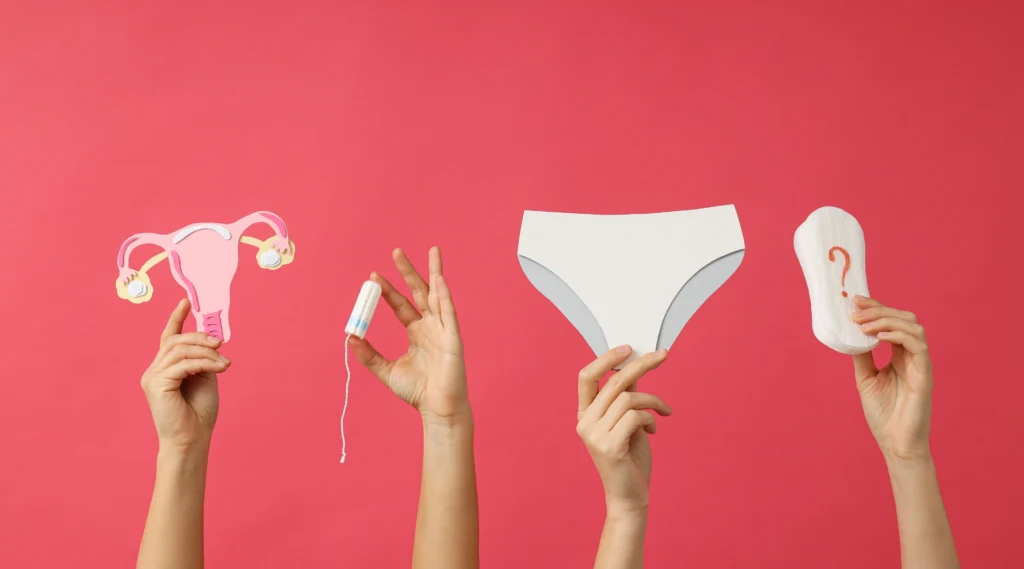
Support Skin Health with Soothing Ingredients
Look for intimate care products that include prebiotics and natural ingredients. These help maintain the skin’s good bacteria and reduce odour naturally without disrupting the delicate balance of your intimate area.
Intimate Comfort is Part of Self-Care
Taking care of sweat and moisture during your period isn’t just about hygiene, it’s about honouring your body. A little extra care can make a big difference in helping you feel fresh, confident, and in tune with yourself, every day of the cycle. (AP)
References:
American College of Obstetricians and Gynecologists (ACOG). (2021). Vaginitis and Vulvovaginal Health. www.acog.org
Mayo Clinic. (2023). Yeast Infection (Vaginal). www.mayoclinic.org



Leave feedback about this