
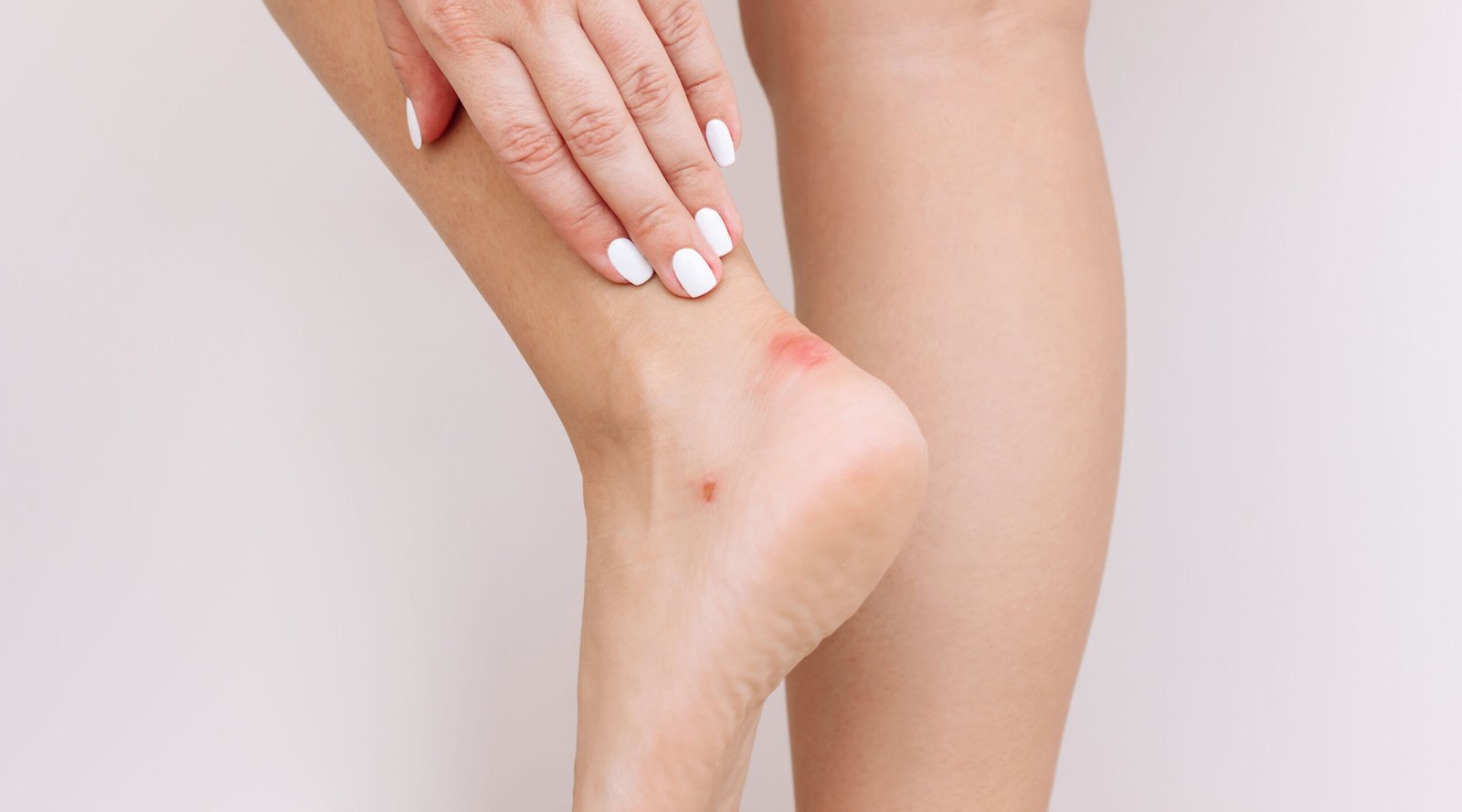
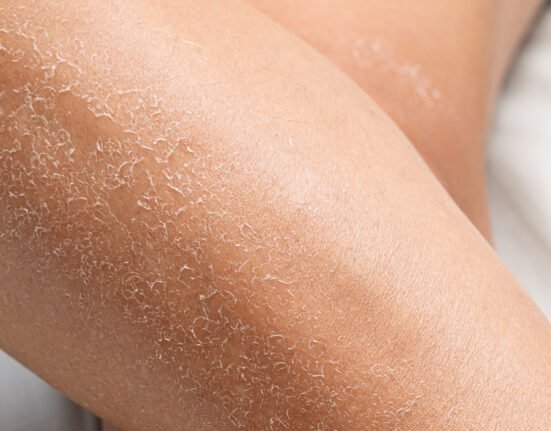
Skin chafing occurs due to repeated friction between the skin and clothing or between skin surfaces. It often appears as redness, stinging, itching, or even rashes.
Chafing is most common in moist, covered areas such as the inner thighs, buttocks, and underarms.
Hot weather, sweat, and excessive moisture can worsen skin chafing, making the affected area feel sore and slow to heal.
To soothe irritation and support faster skin recovery, you can use wund+™ Regeneration Cream.
This cream is specially formulated to help regenerate the skin, calm chafed areas, and maintain natural moisture without causing a stinging sensation.
Additionally, you can prevent skin chafing with these simple steps:
- Wear soft, sweat-absorbing clothing.
- Keep body folds dry.
- Use a protective or moisturizing cream such as wund+™ Regeneration Cream before activities that involve friction.
With proper care, skin chafing can heal quickly, leaving your skin comfortable and healthy again.
Common Causes of Skin Chafing in Body Folds
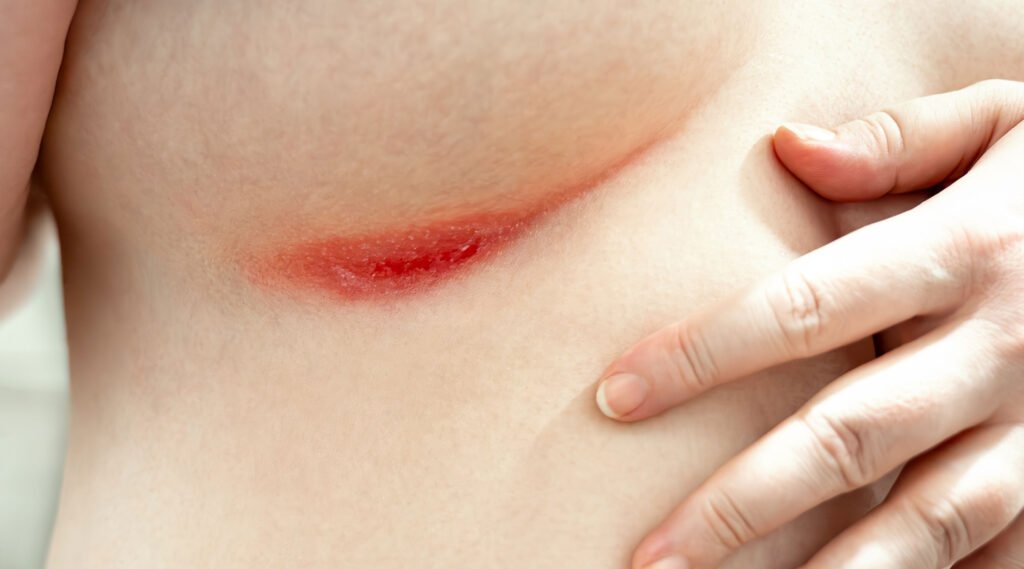
Here are several common causes of skin chafing you should be aware of:
1. Frequent exercise
The more often you exercise, the higher your risk of chafing, especially when sweat mixes with friction from clothing or sports gear.
Studies show that chafing is one of the most common skin complaints among athletes, along with dryness and redness.
2. Tight or non-breathable clothing
Clothes that are too tight or made from rough fabrics can irritate the skin and trigger chafing. Choose soft, breathable materials that absorb sweat and minimize friction, especially in the thighs, underarms, and under-breast areas.
3. Excess body weight
Friction between skin folds in individuals who are overweight or obese can cause chafing and a type of inflammatory rash known as intertrigo.
This condition often appears in moist areas like the abdomen, breasts, or neck.
4. Breastfeeding
Nursing mothers are also prone to nipple chafing caused by friction during breastfeeding or pumping.
Continuous rubbing can lead to soreness and mild irritation.
5. Hot and humid weather
Excessive sweating in warm conditions increases friction between skin and clothing, accelerating the onset of chafing, especially in body folds.
Five Tips to Prevent Skin Chafing in Body Folds
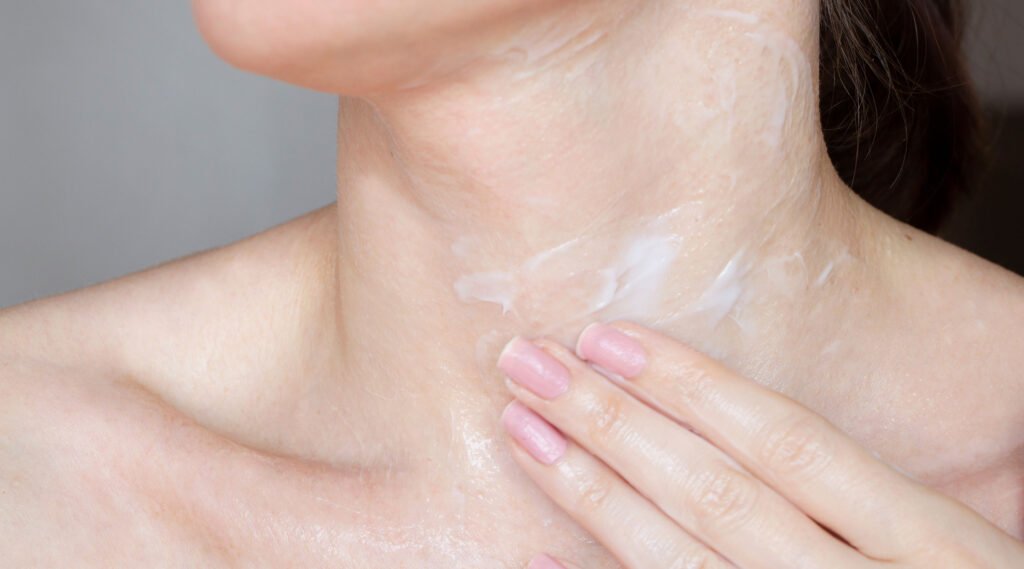
Friction and excess moisture are the main culprits behind irritation and discomfort.
Here are a few ways to prevent chafing so you can stay active without worry.
1. Wear the right clothing
Opt for soft, breathable fabrics such as cotton or sportswear made with moisture-wicking technology. These materials reduce friction and help keep skin dry.
2. Ensure your clothes fit properly
Proper fit is key, especially when exercising. Avoid overly tight clothing or shoes that may worsen friction.
Try new outfits beforehand to ensure the material doesn’t irritate your skin.
3. Apply moisturizer to friction-prone areas
Use a gentle, fragrance-free moisturizer on areas prone to rubbing—like the inner thighs, underarms, and under the breasts.
Moisturizers help minimize friction and maintain skin hydration.
4. Keep your skin clean and dry
Sweat buildup can worsen chafing. After activities or heavy sweating, shower and change into clean clothes.
Pat your skin dry with a towel before dressing.
5. Stop activity if you feel chafing
As soon as you notice friction or discomfort, pause your activity. Clean the affected area with warm water and mild soap, then pat it dry.
To speed up healing, apply wund+™ Regeneration Cream, which is enriched with seven intensive moisturizers (Urea, Zinc Stearate, Glycerin, Allantoin, Shea Butter, Sodium Lactate, and Dimethicone) plus Aloe Vera to maintain hydration and soothe dry, irritated skin.
This topical cream also has antimicrobial properties that help inhibit the growth of microorganisms such as bacteria, viruses, fungi, and parasites—supporting faster and healthier skin recovery.
References
Everyday Health. Accessed in 2025. What Is Chafing?
Everyday Health. Accessed in 2025. How to Prevent Chafing.
Medline Plus. Accessed in 2025. Chafing.




Leave feedback about this