
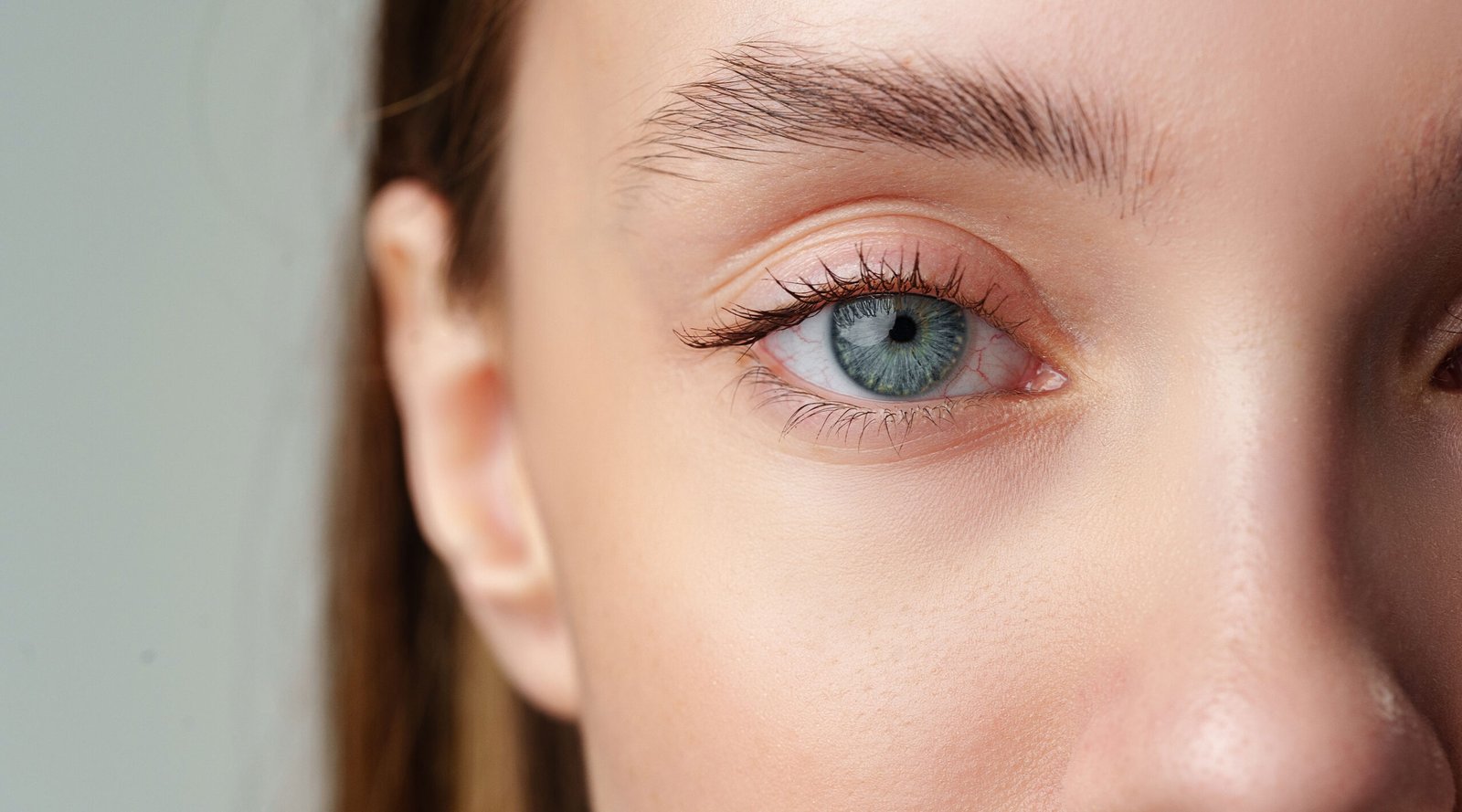
Caring for sensitive skin is very important for patients undergoing chemotherapy. Cancer treatments such as chemotherapy, hormone therapy, immunotherapy, or radiation are designed to destroy cancer cells, but they can also affect healthy tissues — including the skin, hair, and nails.
During cancer treatment, the skin becomes more prone to dryness, itching, and irritation, requiring extra attention.
Neglecting sensitive skin care can worsen these conditions. Therefore, use skincare products specially formulated for sensitive skin to keep it moisturized, calm, and protected throughout the therapy process.
Effects of Chemotherapy on Sensitive Skin
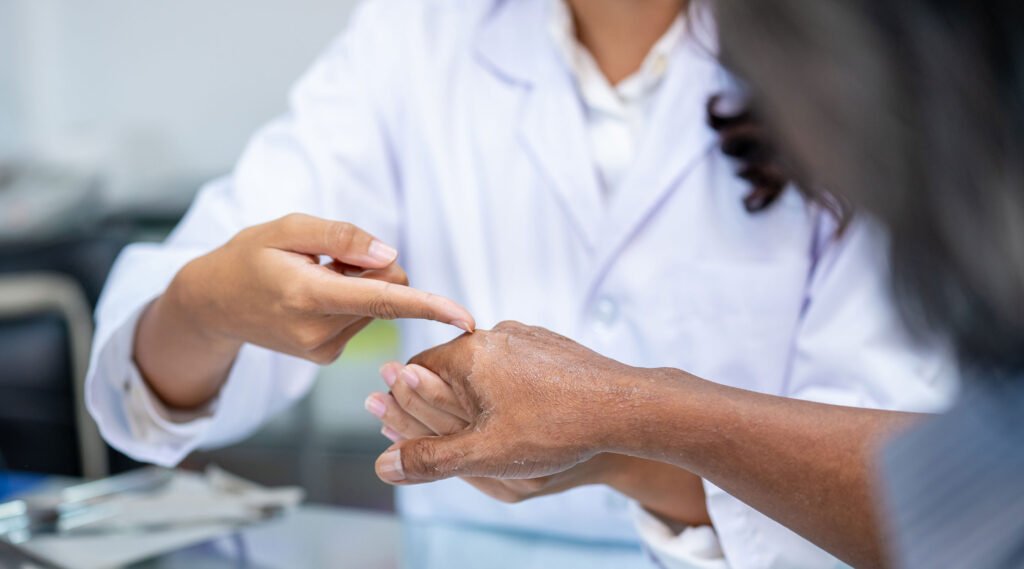
Cancer treatments like chemotherapy not only affect cancer cells but also healthy tissues, including the skin. That’s why taking care of sensitive skin is essential to prevent discomfort and complications.
Here are some common effects of chemotherapy on the skin:
1. Dry and fragile skin
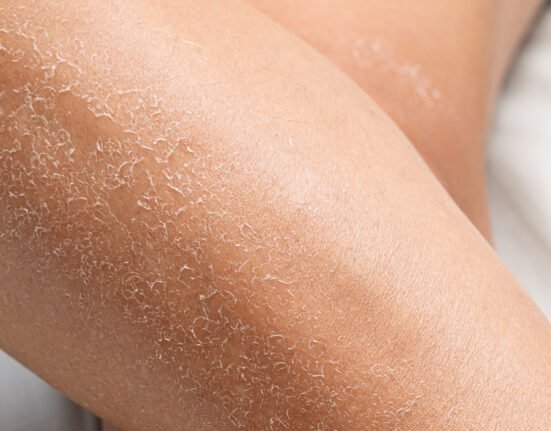
During treatment, many survivors experience drier, more sensitive, and easily irritated skin. Dry skin tends to itch, feel uncomfortable, and is more likely to develop eczema, especially if scratched until it becomes wounded.
2. Peeling and blistering skin
Some chemotherapy drugs can cause peeling or blistering on the hands and feet. This condition often causes pain and requires gentle care to prevent worsening.
3. Dry hands and dermatitis
Frequent handwashing or use of hand sanitizer during treatment increases the risk of dry hands and irritant dermatitis. Using a moisturizer safe for sensitive skin helps maintain hydration.
4. Allergic reactions and sun sensitivity
Certain chemotherapy drugs can cause allergic rashes or make the skin more sensitive to sunlight, resulting in sunburn or irritation. Using gentle sunscreen and protective clothing is highly recommended.
5. Brittle nails and cuticles
Chemotherapy can also affect the nails, making them prone to breakage, detachment, or pain. Gentle nail care and hydration help maintain their health.
6. Reduced immunity and risk of skin infection
Because chemotherapy suppresses the immune system, bacteria and germs can more easily cause skin infections.
A gentle and hygienic sensitive skin routine can help protect the skin and maintain its natural balance during therapy.
Sensitive Skin Care Tips During Chemotherapy

Undergoing chemotherapy affects not only the body internally but also the skin. Therefore, sensitive skin care is an important step to maintain skin health during treatment.
During therapy, the skin becomes more prone to dryness, itching, or even small wounds due to irritation.
If not treated properly, these wounds can heal slowly and may develop infections.
That’s why it’s important to choose gentle and safe skincare products like the wund+™ range, formulated to support skin regeneration without irritation.
1. Use gentle and hydrating skincare daily
Choose a hypoallergenic cleanser with balanced pH, free from fragrance and exfoliating agents. After cleansing, apply a moisturizer or wund+™ Regeneration Cream to help maintain natural skin moisture and strengthen the protective skin barrier.
2. Rinse thoroughly after cleansing
Make sure no soap residue remains on the skin, as it can irritate. Use warm water and gently pat dry with a soft towel. Then, apply wund+™ Regeneration Cream to keep the skin hydrated and soothe dry or sensitive areas.
3. Apply moisturizer within 3 minutes after drying the skin
After bathing, apply moisturizer immediately to prevent moisture loss. Products like wund+™ Regeneration Cream, with regenerative active ingredients, help repair the skin barrier damaged by chemotherapy effects.
4. Avoid products with irritating ingredients
Sensitive skin should avoid products containing fragrance, alcohol, or strong actives like AHA and retinol.
Choose formulations made for sensitive or healing skin, such as wund+™ Spray, which contains hypochlorous acid to gently cleanse the skin without stinging.
5. Protect skin from sunlight
Some chemotherapy drugs can cause photosensitivity. Use a mineral sunscreen with at least SPF 30, and wear soft, breathable clothing (cotton, rayon, or linen) to protect the skin and reduce irritation.
6. Treat wounds properly during chemotherapy
If the skin becomes cracked, scratched, or wounded due to medication, gently clean with wund+™ Spray, then apply wund+™ Regeneration Cream to support natural healing.
Once the wound begins to close, continue with wund+™ Scar Gel to minimize scarring and maintain skin elasticity.
With the right sensitive skin care routine and support from products like wund+™, cancer survivors can help keep their skin healthy, comfortable, and protected throughout the healing journey.
References
Cancer Counsil SA.Accessed in 2025. Skin care during cancer treatment.
City of Hope. Accessed in 2025. Skin Care During Chemotherapy.
Facing Hereditery Cancer Empowered. Accessed in 2025. Chemotherapy Skin Care and the Prevention of Skin Infections.




Leave feedback about this