

Vaginal discharge is a natural occurrence for all women. It serves as the body’s self-cleaning mechanism, helping maintain bacterial balance and prevent infections.
Normal discharge is made up of a combination of vaginal skin cells, mucus, healthy bacteria, and cervical secretions.
Its color may range from clear to milky white, with a slippery or slightly thick texture and a mild, non-offensive odor.
This discharge keeps the vagina moist and lubricated, supporting overall vaginal health.
Every woman may produce a different amount of vaginal discharge—some more, some less. However, changes in the color, smell, texture, or amount of discharge can indicate an infection.
If the discharge becomes yellowish, greenish, thick like cottage cheese, or has a strong odor accompanied by itching, pain, or a burning sensation, it may signal infections such as yeast infection, bacterial vaginosis, or a sexually transmitted infection (STI).
See a doctor if you notice any unusual changes. Maintaining intimate hygiene, avoiding scented soaps, and wearing breathable cotton underwear can help preserve the vagina’s natural balance and prevent infection.
Signs of a Healthy Vagina

Recognizing what normal vaginal discharge looks like helps you understand your intimate health better.
Vaginal discharge serves as a natural indicator of cleanliness and the balance of the vaginal flora.
To determine whether your discharge is still within the normal range, pay attention to the following characteristics:
- Odor: Healthy vaginal discharge typically does not have a strong or unpleasant smell. A fishy or sharp odor may indicate a bacterial or yeast infection.
- Color: Normal discharge is usually clear or milky white. Yellow, green, or gray discharge may signal an underlying issue.
- Consistency: Vaginal discharge can vary from thick and sticky to slippery and wet. These changes are normal and influenced by the menstrual cycle, ovulation, or hormonal fluctuations.
- Amount: The volume of discharge differs between individuals and throughout the menstrual cycle. Production may increase during sexual arousal, pregnancy, or when using hormonal contraceptives.
Maintaining the natural balance of vaginal discharge is key to preventing infections and supporting intimate health. If you notice significant changes in color, odor, or amount, consult a healthcare professional.
When Vaginal Discharge Indicates an Infection
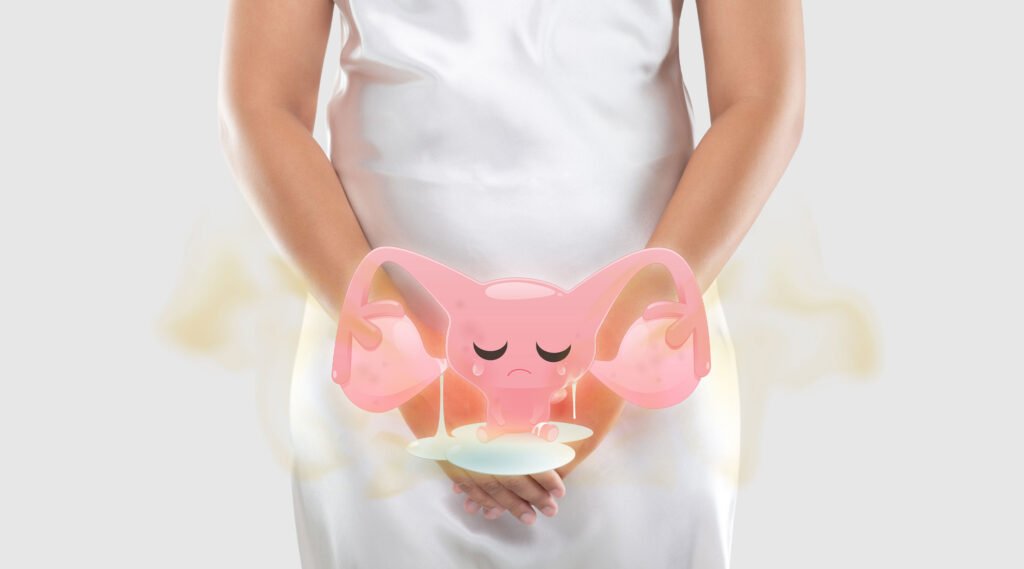
While vaginal discharge is normal, it can also be a sign of infection if accompanied by itching, burning, or discomfort.
It’s important to recognize the difference between normal discharge and one that signals infection.
Warning signs include:
- Foul or fishy odor
- Itching on the vulva, vaginal opening, or labia
- Pain, redness, or swelling around the vulva
- Green, yellow, or gray discharge
- Thick, cottage cheese–like or pus-like texture
- Pain during sex or urination
- Blood-tinged discharge without an obvious cause
- Pelvic or lower abdominal pain
Changes in vaginal discharge can be caused by various infections, including:
1. Yeast Infection (Candidiasis)
Caused by an overgrowth of Candida fungus, this condition produces thick, white, cottage cheese–like discharge along with itching, swelling, and pain during intercourse. Yeast infections are treated with antifungal medication.
2. Trichomoniasis (Trich)
A sexually transmitted infection caused by the parasite Trichomonas vaginalis. It produces green, yellow, or grayish foamy discharge with a strong odor. Medical treatment with antibiotics is required.
3. Bacterial Vaginosis (BV)
BV occurs when certain bacteria overgrow in the vagina. Discharge appears grayish-white and smells fishy or unpleasant.
Though BV can be linked to sexual activity, it may also occur without it. Treatment involves antibiotics.
4. Gonorrhea and Chlamydia
These sexually transmitted infections cause cloudy, yellow, or green discharge.
If left untreated, they can spread and lead to pelvic inflammatory disease (PID), which may cause pelvic pain and infertility. Both require antibiotic treatment.
Treatment Options for Abnormal Vaginal Discharge
If your vaginal discharge changes in color, odor, or causes discomfort, it may indicate an infection.
Before starting any treatment, it’s best to undergo a gynaecological examination to determine the exact cause.
Depending on the diagnosis, your doctor may prescribe antibiotics, antifungal, or antiviral medications.
Alongside medical treatment, lifestyle adjustments are also crucial for healing and preventing recurrence.
Helpful steps include:
- Wear loose-fitting cotton underwear to keep the area dry and breathable.
- Gently clean the genital area with warm water and pat dry after urination or bowel movements.
- Avoid douching, as it can disturb the natural bacterial balance.
- Do not use scented soaps or feminine wipes, which can irritate and worsen discharge issues.
Remember, vaginal discharge is a natural part of your body’s defense system. It helps cleanse, protect against infection, and keep the vagina moist.
However, if you notice changes in color, texture, odor, or amount—especially when accompanied by itching or pain—consult your doctor promptly.
References
Cleveland Clinic. Accessed in 2025. Vaginal Discharge.
Pantai. Accessed in 2025. Vaginal infections.
PubMed Central. Accessed in 2025. Vaginal discharge: evaluation and management in primary care.






Leave feedback about this