
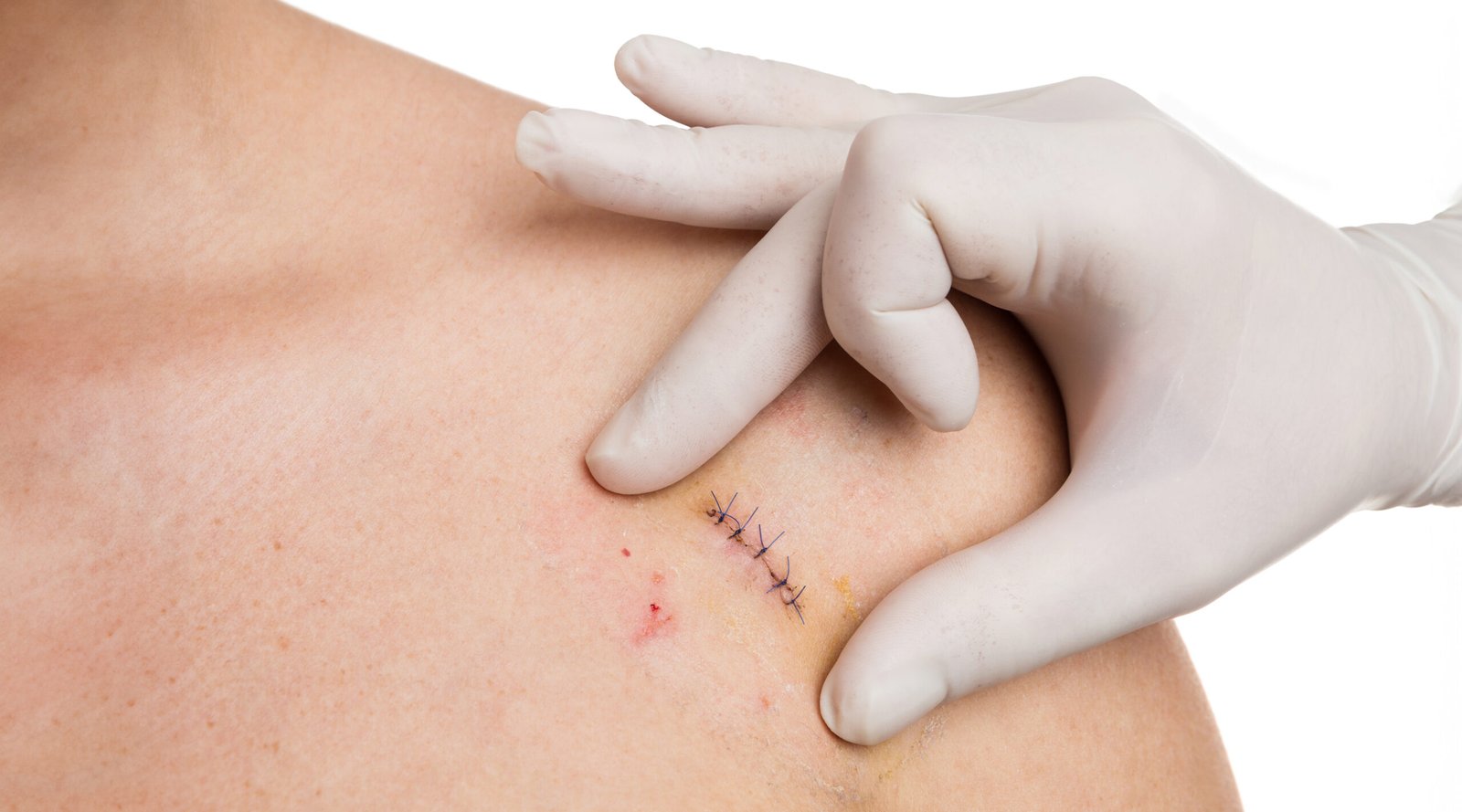
It’s important to know how to prevent stitch scars to ensure proper healing and reduce the risk of unsightly marks.
However, deeper cuts or surgical incisions often need stitches to hold the tissue together during healing.
The purpose of stitches is to bring the wound edges closer so that the skin and underlying tissue can reconnect properly.
After stitches are removed, the skin is still in the recovery phase and highly prone to scarring.
Scars from stitches are common, but without proper care, they can become more noticeable, raised, or even lead to hyperpigmentation (darkening of the skin in the scarred area).
This is where wund+™ Scar Gel comes in. With its active formulation, this product works effectively to support healing while naturally minimizing the appearance of scars.
wund+™ Scar Gel for Preventing Stitch Scars
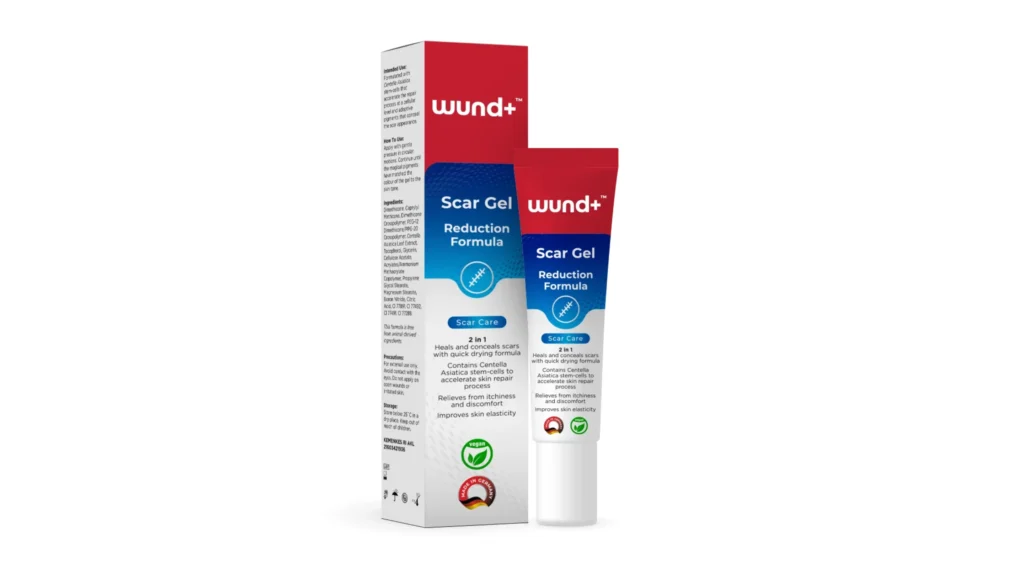
wund+™ Scar Gel is formulated with carefully selected ingredients to support skin recovery:
- Glycerin, Citric Acid, and Silicone: help maintain skin hydration and create a protective barrier for optimal healing.
- Centella Reversa (Centella Asiatica stem cells): accelerates tissue repair at the cellular level while promoting healthy skin regeneration.
Healing Process of Stitch Scars
In general, surgical incisions are closed with stitches to allow the tissue to reattach. During recovery, doctors or nurses usually provide specific instructions, such as:
- Keeping the wound clean and dry (especially within the first 24 hours).
- Using sterile dressings to protect the wound from bacteria and irritation.
- Cleaning the wound according to medical advice.
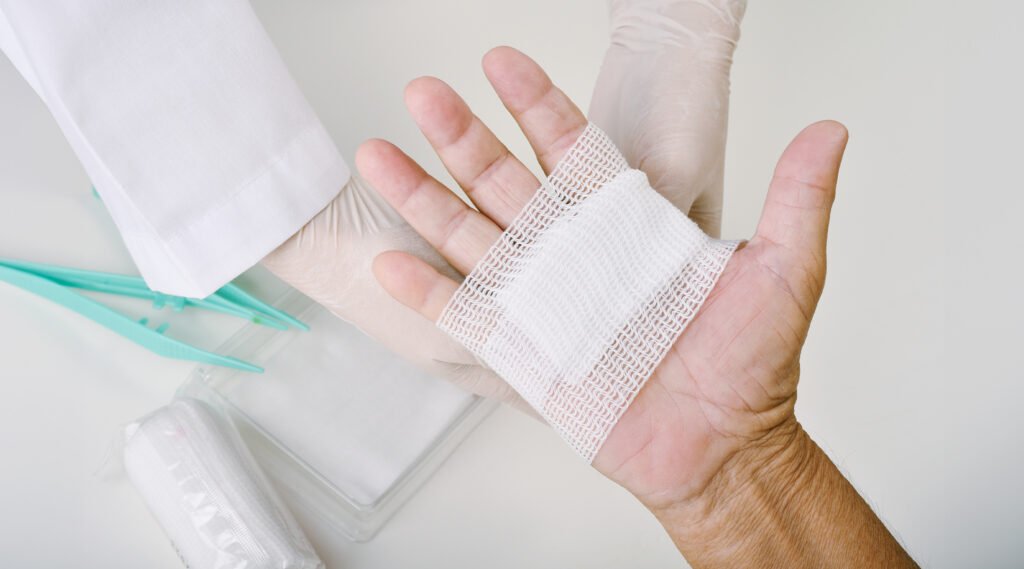
Once stitches are removed, the skin is still fragile and healing—this is the perfect time to start focusing on scar care.
Why Do Scars from Stitches Form?
When the skin is injured, the body produces collagen to close the wound. Sometimes, this process results in scar tissue that appears raised, darker, or uneven.
The final appearance of a scar varies depending on skin type, wound depth, and post-stitch care.
How to Prevent Stitch Scars
Early treatment can help scars fade more quickly. Here are some tips you can follow:
1. Protect from Sun Exposure
UV rays can darken scars. Always apply a high-SPF sunscreen on the scar area.
2. Keep It Moisturized and Massage Gently
Applying moisturizer or a specialized scar gel helps keep the skin supple. Gentle massage around the scar can also improve blood circulation, supporting optimal healing.
At this stage, you can use wund+™ Scar Gel, a 2-in-1 scar treatment that helps prevent and fade scars. Its adaptive pigments help even out skin tone, making scars less visible.
3. Eat a Healthy Diet
Adequate nutrition—especially vitamin C and protein—supports collagen production for faster skin recovery.
4. Avoid Smoking and Alcohol
Both can slow down skin regeneration and make scars more noticeable.
Scars from stitches are a natural part of healing. With proper care, their appearance can be minimized.
wund+™ Scar Gel, with Centella Asiatica stem cells, glycerin, and silicone, helps accelerate skin recovery while smoothing and fading scars, making them less raised and more refined.
Start caring for scars early, and give your skin the best chance to heal beautifully.
References
Cleveland Clinic. Accessed in 2025. Incision & Surgical Wound Care
Celveland Clinic. Accessed in 2025. Scars.
WebMD. Accessed in 2025. Getting Stitches (Sutures)





Leave feedback about this