
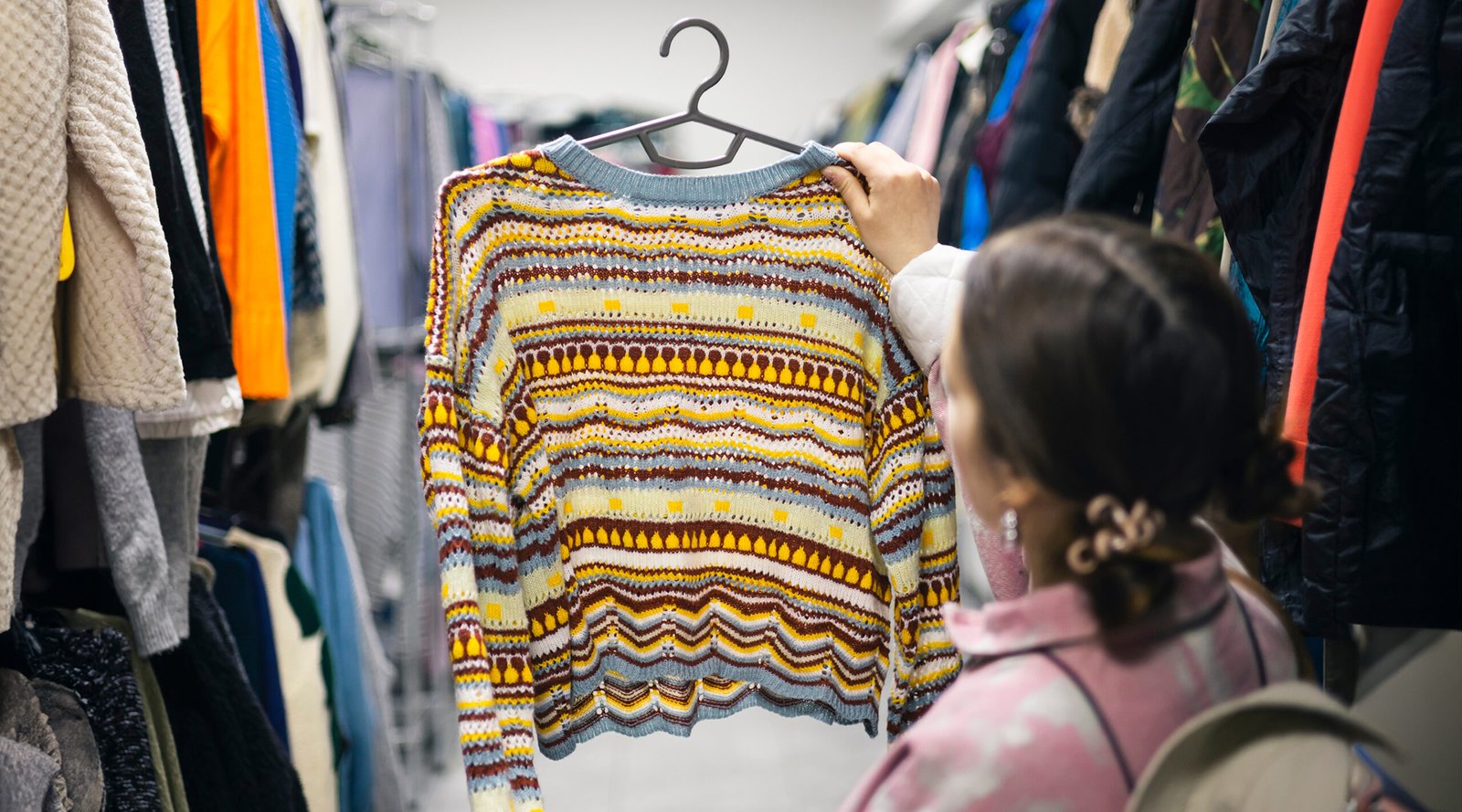
Thrifting, or buying secondhand clothes, has become increasingly popular, especially among young people. Clothing is an essential part of daily life since it’s always in direct contact with our skin.
Beyond serving as protection, clothes also play a big role in maintaining overall health.
Aside from being budget-friendly, thrifting is often seen as eco-friendly and a fun way to expand your wardrobe. But behind this trend, there are health risks worth paying attention to.
The Risk of Skin Problems from Secondhand Clothes
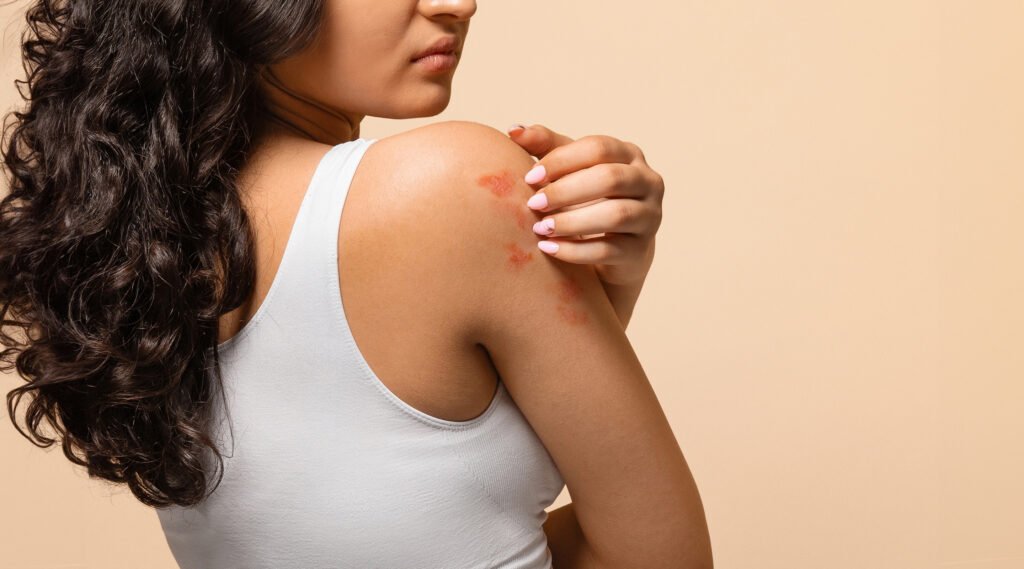
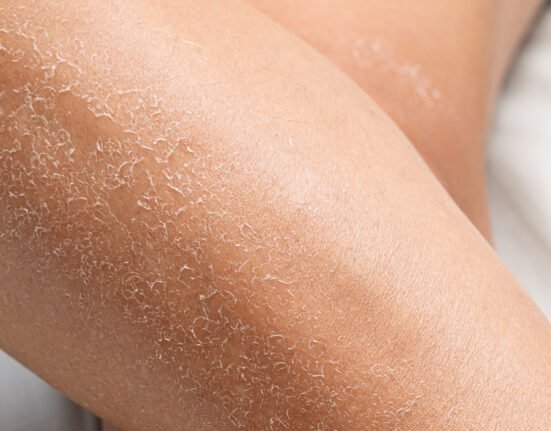
Some people experience skin issues after wearing thrifted clothes. This happens when clothing isn’t properly cleaned, making it a potential carrier for both infectious and noninfectious skin conditions.
- Infectious: caused by bacteria, viruses, fungi, or parasites.
- Noninfectious: such as dermatitis triggered by irritation or allergies.
If secondhand clothes aren’t washed correctly, they may still harbor harmful organisms, including:
- Staphylococcus bacteria – a common cause of staph infections.
- Streptococcus bacteria – linked to certain skin infections.
- Candida fungus – responsible for yeast infections.
- Human papillomavirus (HPV) – the virus behind skin warts.
Since everyone’s skin microbiome is different, what’s harmless to one person might cause issues for another.
This is why thrifted clothing can pose a health risk if not handled carefully.
How to Safely Wear Thrifted Clothes
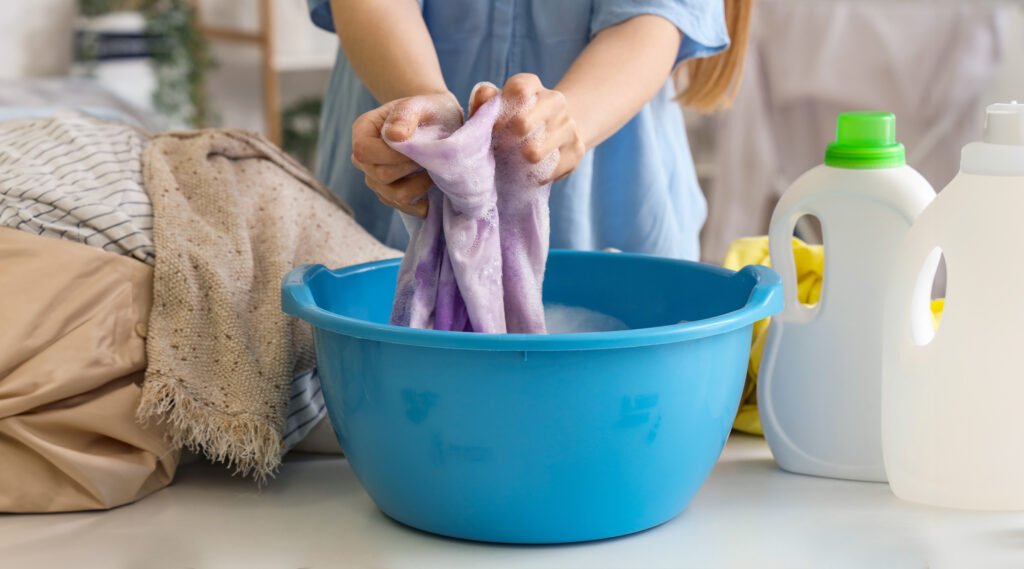
Finding unique pieces at a thrift store is exciting, but remember—secondhand clothes may still carry germs, fungi, or bacteria.
Never wear them straight away, even when trying them on. Follow these steps to make sure they’re safe:
1. Wash Clothes Thoroughly
- Soak thrifted clothes in hot water (around 60°C) with detergent or disinfectant for 2–3 hours.
- This helps remove dirt and kill pathogens.
- Avoid cold water washes, as they’re less effective against germs.
- Wash thrifted clothes separately from your regular laundry.
2. Add a Disinfectant Boost
Use antibacterial laundry additives alongside detergent to kill up to 99% of bacteria, fungi, and viruses.
3. Use Heat for Extra Sterilization
- After washing and drying, iron the clothes on high heat.
- Not only does it make clothes neat, but heat also helps kill lingering microbes.
4. Store Properly
- Keep clothes in a dry, low-humidity space.
- Avoid damp areas where mold and microbes thrive.
5. Pay Attention to Skin Health
If you notice itching, rashes, or signs of infection after wearing thrifted clothes, stop using them and consult a doctor.
Tips for Choosing Safe Thrifted Clothes
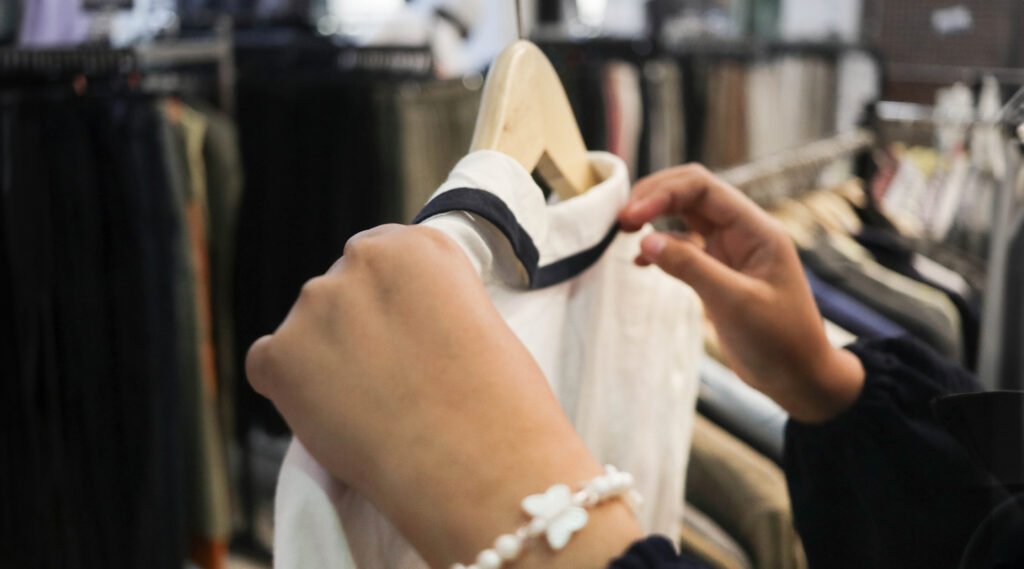
Thrifting can be fun and stylish, but don’t let excitement make you careless. Keep these tips in mind when shopping:
1. Don’t Be Tempted by Price Alone
- Affordable prices are appealing, but prioritize quality.
- Check seams, buttons, zippers, and overall fabric condition.
- Avoid clothing with yellow stains, mold spots, or strong odors.
2. Assess the Store’s Cleanliness
- Choose thrift shops that are tidy and well-maintained.
- Neatly displayed clothes usually reflect better hygiene practices by the seller.
3. Avoid Certain Items
- Skip secondhand underwear, towels, or hats.
- These items have direct contact with skin and bodily fluids, carrying higher risks of infection.
4. Choose the Right Fit
- Thrifted items are limited in size and style.
- Don’t settle for something too tight or oversized just because it’s cheap.
With the right care, thrifted clothes can be stylish without compromising your health. So, shop smart, clean thoroughly, and wear your thrift finds with confidence!
References
National Library of Medicine. Accessed in 2025.Second-Hand Clothes, a New Threat for Acquiring Parasitic Infections.
Universitas Gadjah Mada. Accessed in 2025. UGM Dermatologist Advises on Safe Thrifting to Prevent Skin Diseases from Secondhand Clothes.



Leave feedback about this